Films
2 films
About Lia Eibenschütz
The 1922 film Nathan der Weise is the only title linked here for Lia Eibenschütz. Like many actors from the silent era whose careers were cut short, detailed biographical information about her life and career remains scarce in historical records. Her work represents the contribution of countless supporting actors who helped create the early European cinema.
The Craft
Milestones
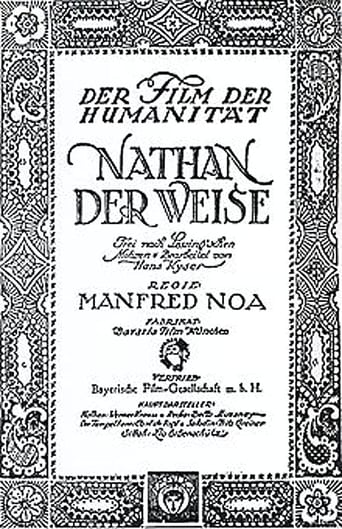
- Appeared in 'Nathan der Weise' (1922), an adaptation of Lessing's classic play
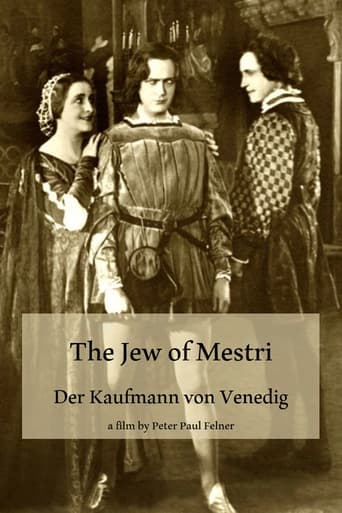
- Starred in 'The Jew of Mestri' (1923), a film addressing themes of religious tolerance
- Worked during the golden age of German silent cinema
- Participated in Weimar Republic era film productions with social themes
Best Known For
Iconic Roles
Must-See Films
Why They Matter
Impact on Culture
Lia Eibenschütz's cultural impact, while limited by her brief career, lies in her participation in two socially significant German silent films that addressed themes of religious tolerance and prejudice during the Weimar Republic period. These films were part of a broader movement in German cinema that used the medium to explore complex social and philosophical issues. Her contributions, though small in scope, represent the collective work of actors who helped bring important literary adaptations to the screen during a crucial period in film history. The films she appeared in reflect the artistic and intellectual climate of 1920s Germany, where cinema was increasingly recognized as a serious art form capable of addressing profound social questions.
Lasting Legacy
Lia Eibenschütz's legacy is that of a typical supporting actor from the silent era whose work survives primarily through the historical record of the films in which she appeared. While she did not achieve lasting fame, her participation in adaptations of significant literary works during the early 1920s contributes to our understanding of the breadth of talent in German cinema during this period. Her career serves as a reminder of the countless actors who, while not becoming stars, were essential to the creation of early European cinema. The preservation of her filmography, however brief, helps document the full scope of artistic production during one of cinema's most innovative decades.
Who They Inspired
Due to the extremely brief nature of her career and the lack of extensive documentation about her work, Lia Eibenschütz's direct influence on other actors or filmmakers cannot be definitively traced. Her influence is primarily indirect, as part of the collective body of work that characterized German silent cinema and its approach to literary adaptation and social themes. The films she participated in may have influenced later approaches to adapting classic literature for the screen and addressing issues of religious tolerance in cinema.
Off Screen
Very little biographical information is available about Lia Eibenschütz's personal life. She appears to have been one of many actors who had brief careers in German cinema during the silent era, leaving minimal documentation of her life beyond her film work.
Did You Know?
- Appeared in films during the height of German silent cinema's artistic golden age
- Both of her known films dealt with themes of religious tolerance and prejudice
- Her active years covered only two years, making her one of many actors with brief silent era careers
- Worked during the Weimar Republic, a period of tremendous artistic freedom in German cinema
- Participated in adaptations of important literary works for the screen
- Like many silent era actors, her personal details remain largely undocumented
- Her filmography represents the typical output of a supporting actor in early German cinema
Frequently Asked Questions
Who was Lia Eibenschütz?
German actress who worked briefly during the silent film era in the early 1920s. She appeared in two notable German films, 'Nathan der Weise' (1922) and 'The Jew of Mestri' (1923), both of which dealt with themes of religious tolerance and prejudice.
What films is Lia Eibenschütz best known for?
Titles linked here include Nathan der Weise (1922), The Jew of Mestri (1923).
When was Lia Eibenschütz born and when did she die?
Unfortunately, specific birth and death dates for Lia Eibenschütz are not available in historical records. She was active in German cinema during the years 1922-1923, placing her career firmly in the silent era.
What awards did Lia Eibenschütz win?
There are no documented awards or nominations for Lia Eibenschütz, which was not uncommon for supporting actors during the silent film era when formal award systems were still developing.
What was Lia Eibenschütz's acting style?
Specific details about Lia Eibenschütz's acting style are not documented in available historical records. As a silent film actress in early 1920s Germany, she would have worked within the expressive acting conventions typical of that period.
Why was Lia Eibenschütz's career so brief?
Like many actors from the silent era, Lia Eibenschütz's brief career from 1922-1923 may have been cut short by various factors common to the period, including the transition to sound films, changing industry demands, or personal career choices.