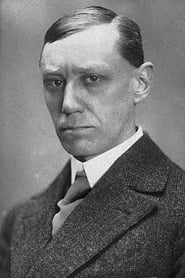
Max Schreck
Actor
Born: September 6, 1879 in Berlin, German Empire Died: February 20, 1936 Active: 1922-1927 (film career), 1902-1936 (theater career) Birth Name: Friedrich Gustav Maximilian Schreck
Films
7 films
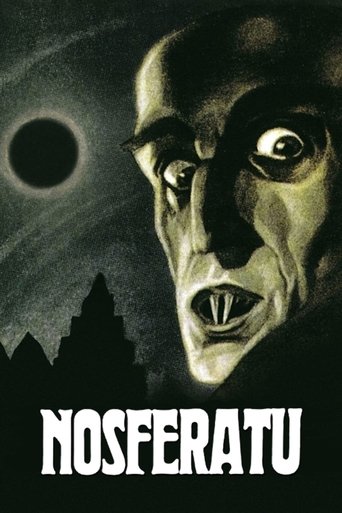


About Max Schreck
Max Schreck, born Friedrich Gustav Maximilian Schreck, was a German actor whose both stage and screen during the early 20th century. After receiving formal theatrical training, he spent decades performing in various theater companies across Germany, developing his craft in classical and contemporary plays. His transition to cinema came relatively late in his career, but it would produce unforgettable performances in horror film history. Schreck's portrayal of Count Orlok in F.W. Murnau's unauthorized adaptation of Bram Stoker's 'Dracula' became the foundation for the modern vampire archetype. Despite the immense impact of this role, his film career remained brief, spanning only from 1922 to 1927, during which he appeared in a handful of productions. He returned to theater work after his film period, continuing his stage career until his death in 1936. Schreck's legacy rests almost entirely on his chilling performance in 'Nosferatu,' which horror cinema nearly a century after its release.
The Craft
On Screen
Schreck's acting style was rooted in German Expressionism, characterized by exaggerated physical movements, stark facial expressions, and a commanding presence that translated effectively from stage to screen. His performance as Count Orlok featured minimal makeup but maximum physical transformation through posture, gestures, and intense, unblinking stares. He employed a methodical approach to character creation, using his tall, gaunt frame and distinctive features to create an otherworldly presence. His theatrical background allowed him to project emotion and menace through subtle yet powerful physical choices rather than relying on dialogue, which was essential in silent cinema.
Milestones
- Stage debut in 1902 with Max Reinhardt's theater company
- Breakthrough film role as Count Orlok in Nosferatu (1922)
- Collaboration with director F.W. Murnau on Nosferatu
- Appearances in German Expressionist films of the 1920s
- Return to theater after brief film career
- Creation of the iconic vampire aesthetic that influenced horror cinema for decades
Best Known For
Iconic Roles
Must-See Films
Accolades
Special Recognition
- Count Orlok character ranked among greatest horror film villains of all time
- Nosferatu preserved in the United States National Film Registry
- Performance cited as influential by generations of horror actors and directors
Working Relationships
Worked Often With
Studios
Why They Matter
Impact on Culture
Max Schreck's portrayal of Count Orlok fundamentally changed the visual and thematic landscape of horror cinema. His rat-like features, elongated fingers, and menacing silhouette created a template for cinematic vampires that would be referenced and reimagined for decades. The character's design and performance influenced everything from Universal's classic monster movies to modern horror aesthetics. Schreck's work helped establish German Expressionism's lasting impact on international cinema, particularly in the horror and thriller genres. The enduring popularity of Nosferatu has made Count Orlok.
Lasting Legacy
Max Schreck's legacy is inextricably linked to his singular performance as Count Orlok, which has become a cornerstone of horror cinema history. Despite his relatively brief film career, his impact on the genre is immeasurable, with his vampire character serving as a direct inspiration for Dracula portrayals and horror monsters throughout cinema history. The 2000 film 'Shadow of the Vampire' fictionalized the making of Nosferatu, with Willem Dafoe portraying Schreck and earning an Academy Award nomination for the role. Schreck's performance techniques and character design continue to be studied in film schools and analyzed by cinema scholars as a masterclass in silent film acting and horror performance. His work represents the pinnacle of German Expressionist cinema and remains a touchstone for filmmakers and actors working in the horror genre.
Who They Inspired
Schreck's physical transformation and performance style influenced generations of horror actors, from Boris Karloff to modern performers. His approach to creating an otherworldly character through minimal makeup but maximum physical alteration became a template for creature performances. Directors such as Tim Burton, Werner Herzog, and Guillermo del Toro have cited Nosferatu and Schreck's performance as major influences on their work. The character design he helped create influenced the visual aesthetic of horror films, particularly the emphasis on unnatural movement and unsettling physical presence. His work demonstrated the power of physical performance in creating memorable film characters, a lesson that continues to influence actors in both practical effects and CGI-enhanced performances.
Off Screen
Max Schreck married actress Franziska Oltmanns in 1910, and they remained married until his death in 1936. The couple had no children. Schreck was known as a dedicated and serious actor who preferred the stage to film, finding greater artistic fulfillment in theatrical performances. He was described by colleagues as a quiet, introspective man who was deeply committed to his craft. His death from heart failure at age 56 occurred while he was still actively performing in theater productions in Berlin.
Education
Trained at the State Theatre of Berlin (Staatliches Schauspielhaus Berlin) under Max Reinhardt's guidance; studied classical theater techniques and performance methods
Family
- Franziska Oltmanns (1910-1936)
Did You Know?
- The name 'Schreck' means 'fright' or 'terror' in German
- There were persistent rumors that Schreck was actually a real vampire due to his convincing performance
- He never appeared in another horror film after Nosferatu
- His makeup for Count Orlok was minimal - mostly prosthetic ears, teeth, and artificial baldness
- The character's famous shadow scene was created using a matte process, an innovative technique for the time
- Schreck — respected stage actor long before his film career, specializing in classical roles
- Nosferatu was nearly destroyed due to copyright infringement lawsuit from Bram Stoker's widow
- His performance was so distinctive that it created an entirely new vampire aesthetic separate from the aristocratic Dracula
- Schreck continued working in theater until just before his death
- The character's long fingernails were actually artificial extensions glued to his own nails
In Their Own Words
As an actor, one must become the character completely, even if that character comes from the darkest corners of imagination
The stage is my home, but the camera has captured a piece of my soul forever
To play a monster, one must understand the humanity that makes us fear the unknown
Frequently Asked Questions
Who was Max Schreck?
German with credits in this catalog.W. Murnau's 1922 silent film 'Nosferatu.' Though he had a long career in theater, his brief film career produced one of cinema's most memorable horror performances that continues to influence the genre nearly a century later.
What films is Max Schreck best known for?
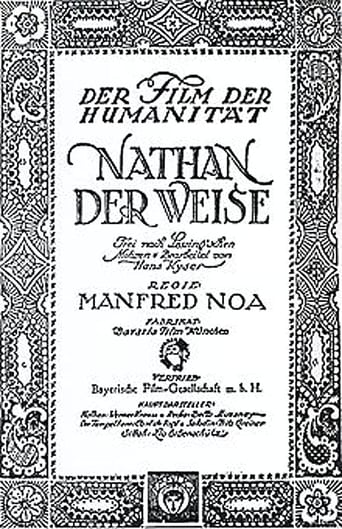
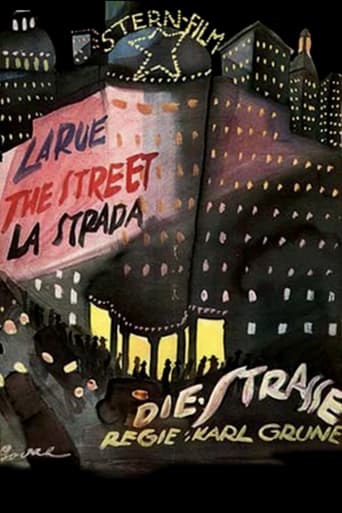
Titles linked here include Nosferatu (1922), The Street (1923).
When was Max Schreck born and when did he die?
Born September 6, 1879; died February 20, 1936.
What awards did Max Schreck win?
During his lifetime, Max Schreck did not receive formal awards or nominations for his work, as the modern award system was not established during his active period. However, his performance in Nosferatu has been posthumously recognized as one of the greatest horror performances in cinema history, and the film itself was preserved in the United States National Film Registry for its cultural significance.
What was Max Schreck's acting style?
Max Schreck's acting style was rooted in German Expressionism, characterized by exaggerated physical movements, intense facial expressions, and a commanding physical presence. His theatrical background influenced his approach to creating characters through physical transformation rather than relying on dialogue, making him particularly effective in silent cinema. His performance as Count Orlok demonstrated his ability to create an otherworldly character through posture, gestures, and minimal but effective makeup.