Films
3 films
About Carl Ebert
German actor who worked during the silent film era, primarily in the 1910s and early 1920s. His career, though relatively brief, coincided with the golden age of German Expressionist cinema. Carl appears in Paul Wegener's influential 1915 film 'Der Golem' (The Golem), which was one of the earliest examples of horror cinema and a significant contribution to German Expressionist film. His performance in this film demonstrated his ability to work within the stylized, theatrical acting style required by Expressionist cinema. In 1923, he appeared in 'Der Jude von Mestri' (The Jew of Mestri), though this film is less well-documented in film history. Like many actors of his generation, his career was likely impacted by the transition to sound films in the late 1920s, which required different acting techniques and often displaced silent era performers.
The Craft
On Screen
Ebert's acting style was characteristic of German Expressionist cinema, featuring exaggerated gestures and dramatic facial expressions to convey emotion without dialogue. His performances aligned with the theatrical, stylized approach that defined Expressionist film acting, where physical movement and facial contortion were essential tools for storytelling in the silent medium.
Milestones
- Appeared in the influential German Expressionist film 'Der Golem' (1915)
- Worked during the golden age of German silent cinema
- Participated in early horror film development
Best Known For
Iconic Roles
Must-See Films
Working Relationships
Worked Often With
Studios
Why They Matter
Impact on Culture
Carl Ebert's contribution to cinema, while not extensively documented, is part of the broader foundation of German Expressionist film that would later influence international cinema. His participation in 'Der Golem' places him within a movement that revolutionized visual storytelling and horror cinema. The Expressionist techniques he helped demonstrate on screen would later influence film noir, psychological thrillers, and the horror genre worldwide.
Lasting Legacy
As a participant in early German Expressionist cinema, Carl Ebert's legacy is tied to the groundbreaking films of this movement. 'Der Golem' remains a significant work in film history, and all who contributed to its creation, including Ebert, are part of cinema's artistic heritage. Though his individual contributions may be lost to time, his work helped establish cinematic techniques that would influence generations of filmmakers.
Who They Inspired
While specific information about Carl Ebert's direct influence on other actors is not documented, his work in Expressionist cinema contributed to a style that would later influence method acting, horror film performance, and the visual language of cinema. The exaggerated emotional techniques of Expressionist actors like Ebert helped establish the vocabulary of film acting that would evolve throughout the 20th century.
Off Screen
Very little is documented about Carl Ebert's personal life, which is common for actors from the early silent era. Like many performers of his time, detailed biographical information was not systematically preserved, and many records from this period have been lost or were never comprehensively documented.
Did You Know?
- Appeared in one of the earliest horror films in cinema history
- Worked during the peak of German Expressionist cinema
- His active years covered the final years of World War I and the Weimar Republic period
- Like many silent era actors, his career ended before the transition to sound films
- German Expressionist cinema heavily influenced later Hollywood film noir
- Many German actors of his era fled Germany when the Nazis came to power, though Ebert's fate is unknown
Frequently Asked Questions
Who was Carl Ebert?
German with credits in this catalog. He is primarily known for his appearance in the influential 1915 German Expressionist film 'Der Golem' directed by Paul Wegener.
What films is Carl Ebert best known for?
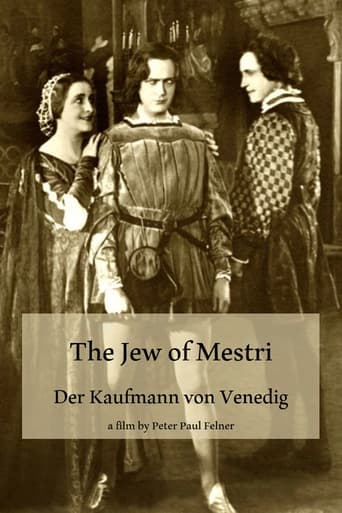
Titles linked here include Der Golem (1915), Der Jude von Mestri (1923).
When was Carl Ebert born and when did he die?
Unfortunately, specific birth and death dates for Carl Ebert are not documented in available historical records. This is common for many actors from the very early silent era whose biographical information was not systematically preserved.
What awards did Carl Ebert win?
There are no documented awards or honors for Carl Ebert. During his active period (1915-1923), film awards were not yet established in the form we know today, and many early cinema contributors went unrecognized by formal award systems.
What was Carl Ebert's acting style?
Ebert's acting style was characteristic of German Expressionist cinema, featuring exaggerated gestures and dramatic facial expressions. This theatrical approach was essential for conveying emotion in silent films and aligned with the stylized, artistic vision of Expressionist directors.
What was Carl Ebert's contribution to cinema history?
Ebert's contribution lies in his participation in German Expressionist cinema, particularly 'Der Golem' (1915), which helped establish visual and performance techniques that would influence horror films and cinema worldwide. His work is part of the foundation that shaped modern film language.