
Films
1 film
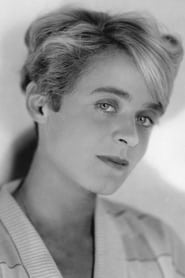
About Roma Bahn
The 1920 film From Morning to Midnight is the only title linked here for Roma Bahn. Her most significant contribution to film history was her role in the 1920 film 'From Morning to Midnight' (Von morgens bis mitternachts), directed by Karlheinz Martin. This film was an adaptation of Georg Kaiser's influential Expressionist play and stood alongside other masterpieces of the movement like 'The Cabinet of Dr. Caligari.' Bahn's performance embodied the exaggerated emotional intensity and stylized acting characteristic of German Expressionism, which sought to convey inner psychological states through external physicality. While her film career appears to have been brief, her participation in this important cultural movement places her within the pantheon of early German cinema pioneers. The film itself was considered lost for decades before a copy was discovered, making Bahn's work part of a rediscovered cinematic treasure. Her contribution, though limited in scope, represents the collaborative nature of the German film industry during its golden artistic period.
The Craft
On Screen
Roma Bahn's acting style was characteristic of German Expressionism, featuring exaggerated gestures, intense emotional expression, and stylized movement. Her performance emphasized psychological states through physical manifestation rather than naturalistic portrayal, embodying the movement's rejection of realism in favor of conveying inner turmoil and existential angst through dramatic body language and facial expressions.
Milestones
- Starred in the German Expressionist masterpiece 'From Morning to Midnight' (1920)
- Participated in
- Contributed to a film that was considered lost for decades before rediscovery
Best Known For
Iconic Roles
Must-See Films
Working Relationships
Worked Often With
Studios
Why They Matter
Impact on Culture
Roma Bahn's contribution to cinema, though limited to a single major film, places her within the important German Expressionist movement that revolutionized film aesthetics worldwide. 'From Morning to Midnight' was part of a wave of German films in the early 1920s that would heavily influence later film noir, horror cinema, and psychological thrillers. The film's rediscovery and restoration have allowed modern audiences to appreciate the work of performers like Bahn who contributed to this crucial period in film history. Her performance exemplifies the collaborative nature of Expressionist cinema, where actors, directors, and designers worked together to create a unified artistic vision that rejected realism in favor of psychological truth.
Lasting Legacy
Roma Bahn's legacy is intrinsically tied to her role in 'From Morning to Midnight,' one of the seminal works of German Expressionist cinema. While she may not have achieved the lasting fame of contemporaries like Marlene Dietrich or Conrad Veidt, her contribution to this important artistic movement ensures her place in film history. The film itself has gained cult status among cinema scholars and enthusiasts, with Bahn's performance being studied as an example of Expressionist acting techniques. Her work represents the hundreds of actors who contributed to cinema's artistic development during its formative years, even if their careers were brief or their names largely forgotten by mainstream audiences.
Who They Inspired
As an actress from the German Expressionist movement, Roma Bahn's performance style would have been part of the broader influence that German cinema had on international film development. The exaggerated emotional expressiveness characteristic of her acting style can be seen echoed in later film genres, particularly in film noir and psychological thrillers of the 1940s and 1950s. While she may not have directly mentored other actors, her participation in this groundbreaking movement contributed to a body of work that would be studied and emulated by future generations of performers and directors interested in non-realist approaches to cinema.
Off Screen
Very limited information is available about Roma Bahn's personal life, which was not uncommon for actors of the silent era who were not major stars. Like many German actors of her time, she likely experienced the dramatic social and political changes that occurred in Germany during the Weimar Republic and the subsequent Nazi period. Her brief film career suggests she may have primarily worked in theater or other performing arts outside of cinema.
Did You Know?
- 'From Morning to Midnight' was considered a lost film for decades before a copy was discovered in the Soviet Union in the 1960s
- The film was based on a play by Georg Kaiser, one of the leading Expressionist playwrights
- German Expressionist cinema heavily influenced later film noir and horror genres
- The film's production company, Decla Film, would later merge to become the famous UFA studio
- Expressionist films used highly stylized sets and makeup to create a distorted reality reflecting inner psychological states
- Many German Expressionist actors and directors later fled to Hollywood when the Nazis came to power, bringing their cinematic techniques with them
- The movement emphasized visual style over narrative coherence, using jagged lines, distorted perspectives, and dramatic lighting
Frequently Asked Questions
Who was Roma Bahn?
German actress best known for her role in the 1920 Expressionist film 'From Morning to Midnight.' She was active during the German Expressionist movement, a crucial period in early cinema history that emphasized psychological expression through stylized performance and visual design.
What films is Roma Bahn best known for?
Titles linked here include From Morning to Midnight (1920).
When was Roma Bahn born and when did she die?
Born 1896; died 1975.
What awards did Roma Bahn win?
There are no recorded awards or nominations for Roma Bahn, which was not uncommon for actors of the silent era, especially those with brief film careers. During the early 1920s, the formal award systems we know today had not yet been established.
What was Roma Bahn's acting style?
Roma Bahn's acting style was characteristic of German Expressionism, featuring exaggerated gestures, intense emotional expression, and stylized movement. Her performance emphasized psychological states through physical manifestation rather than naturalistic portrayal, embodying the movement's rejection of realism in favor of conveying inner turmoil.