Films
5 films


About Hans Heinrich von Twardowski
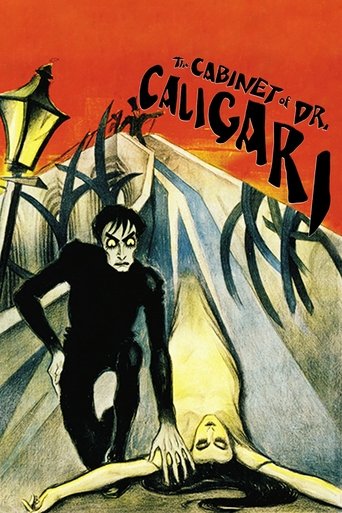
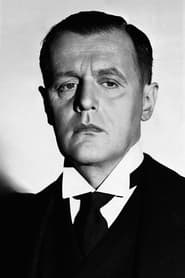
German actor associated with the great flowering of Expressionist cinema in the early 1920s. He is best remembered today for appearing in landmark silent films such as The Cabinet of Dr. Caligari and Genuine: The Tragedy of a Vampire, where his aristocratic bearing and intense screen presence fit the era's heightened visual style. His credited screen career, as presently documented, is brief and concentrated in 1919 and 1920, but it placed him directly in the center of moments in world cinema. He also appeared in Eerie Tales and From Morning to Midnight, further linking him to the German studio system and to the experimental, theatrical performance traditions that shaped silent-era acting. Despite the prominence of the films in which he appeared, surviving biographical information about him is limited, and many standard reference details such as exact birth and death data are not consistently documented in readily available sources. What can be said with confidence is that he belonged to the generation of performers who helped define the visual and emotional language of German silent film. His surviving filmography has given him lasting historical value, even though he was not a major celebrity in the broader international sense.
The Craft
On Screen
Available evidence suggests an acting style suited to silent-era German Expressionism: restrained in some moments, but capable of stylized, visually legible expression that could read clearly in a heavily designed mise-en-scène. In productions like The Cabinet of Dr. Caligari and Genuine, performers were often expected to balance theatrical gesture with symbolic intensity rather than naturalism. Von Twardowski appears to have fit this mode, contributing presence and physical specificity within films shaped by unusual sets, shadow, and psychological distortion.
Milestones
- Appeared in The Cabinet of Dr. Caligari (1920),
- Worked in major German Expressionist productions at the height of the Weimar cinema boom
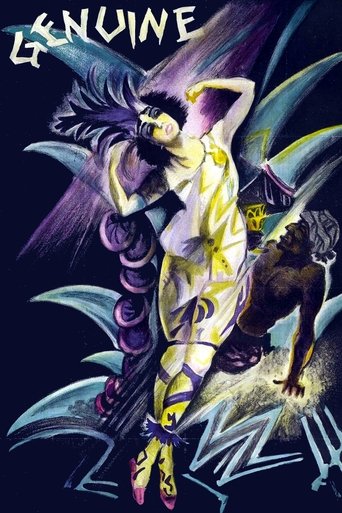
- Appeared in Genuine: The Tragedy of a Vampire (1920), a notable stylized fantasy-horror film by director Robert Wiene
- Took part in From Morning to Midnight (1920), another important early German feature associated with expressionist aesthetics
- Was part of the cast of Eerie Tales (1919), linking him to the atmosphere-driven horror and anthology traditions of early German film
Best Known For
Iconic Roles
Must-See Films
Working Relationships
Worked Often With
Studios
Why They Matter
Impact on Culture
Hans Heinrich von Twardowski's cultural impact is inseparable from the films in which he appeared, especially The Cabinet of Dr. Caligari, a work widely regarded as a cornerstone of horror cinema, modernist design, and psychological filmmaking. Even where his individual role is not widely singled out in popular memory, his participation places him within a foundational artistic movement that helped define the aesthetics of later fantasy, horror, and art cinema. Actors from this period contributed to a mode of screen performance that was visually expressive, emotionally coded, and highly compatible with the bold stylization of German Expressionism. As such, von Twardowski represents the many skilled supporting performers whose work made these landmark films coherent and memorable. His name survives primarily because film historians continue to study and restore the repertoire of early German cinema, where even brief careers can have enduring historical resonance.
Lasting Legacy
His legacy lies in his association with some of the most studied silent films ever made, particularly The Cabinet of Dr. Caligari, which remains central to discussions of film form, design, and the emergence of cinematic modernism. While he does not appear to have left behind a large body of work, the preservation of his credits ensures that his contribution remains part of the historical record of Weimar cinema. He is one of many early actors whose careers were short but whose presence in key films gives them enduring relevance to historians, archivists, and silent-film enthusiasts. In the context of film history, his name serves as a reminder that the creation of iconic cinema depended on ensembles of performers, not only the directors and stars most often celebrated. His lasting legacy is therefore archival, historical, and scholarly rather than celebrity-based.
Who They Inspired
Von Twardowski's influence is indirect but meaningful through his participation in films that shaped later generations of filmmakers and actors. The visual and performative vocabulary of The Cabinet of Dr. Caligari influenced horror, noir, fantasy, and avant-garde cinema around the world, and everyone involved in that production became part of its historical ripple effect. His work helped embody a style of screen acting that emphasized physical clarity, compositional harmony with the set, and emotional intensity without spoken dialogue. Later artists studying silent acting and German Expressionism can view him as part of the ensemble lineage that demonstrated how expressive behavior could operate inside highly stylized cinematic worlds.
Off Screen
Publicly accessible information about Hans Heinrich von Twardowski's personal life is sparse. Standard film reference sources do not consistently document his family background, marriages, or later life, and he is primarily encountered in film history through his screen credits rather than through biographical records. Because of this, it is difficult to state anything definite beyond his work as a German actor of the silent period. No verified information about spouses or children is readily established from the available record.
Did You Know?
- Hans Heinrich von Twardowski is best known today for appearing in The Cabinet of Dr. Caligari, even though his own role is not one of the film's most famous characters.
- His surviving screen career appears to have been very short, concentrated in just two years: 1919 and 1920.
- He worked during the peak of German Expressionist cinema,.
- His filmography includes both horror-adjacent and psychologically stylized works, showing his association with the darker side of silent German cinema.
- Because biographical details are scarce, he is a figure often encountered more in filmography lists and archive records than in narrative biographies.
- He is part of the long list of silent-era performers whose names survive mainly through restoration and scholarly study of classic films.
- His appearance in Genuine links him to director Robert Wiene, one of the central figures of early German film art cinema.
Frequently Asked Questions
Who was Hans Heinrich von Twardowski?
German silent-film with credits in this catalog. Caligari and Genuine: The Tragedy of a Vampire. His career, as currently documented, was brief but historically important because it placed him inside.
What films is Hans Heinrich von Twardowski best known for?
Titles linked here include The Cabinet of Dr. Caligari (1920), Genuine: The Tragedy of a Vampire (1920).
When was Hans Heinrich von Twardowski born and when did he die?
His exact birth and death dates are not reliably documented in the readily available standard film reference record. As a result, those details are often listed as unavailable rather than verified.
What awards did Hans Heinrich von Twardowski win?
No verified awards or nominations are currently documented for Hans Heinrich von Twardowski. Like many silent-era supporting performers, his legacy rests more on the historical importance of the films he appeared in than on formal awards recognition.
What was Hans Heinrich von Twardowski's acting style?
His acting style appears to have been aligned with silent German Expressionism, which favored strong visual presence, controlled gesture, and emotionally legible physical performance. In films like The Cabinet of Dr. Caligari, actors had to work within highly stylized sets and dramatic lighting, so clarity and composure were essential.
What is Hans Heinrich von Twardowski's legacy in film history?
His legacy comes from being part of the cast of foundational silent films that shaped later horror, fantasy, and art cinema. Even though his individual stardom was limited, his work survives in movies that remain central to film history and scholarly study.