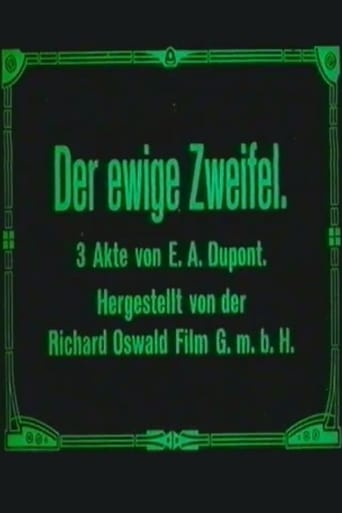
1920 · Approximately 80 minutes

Also available on: YouTube Archive.org
The Merry-Go-Round

The Merry-Go-Round

1920 Approximately 80 minutes Germany
Female redemption and social stigmaProstitution and exploitationClass insecurity and respectabilityDesire, guilt, and self-destructionThe impossibility of escaping the past

Plot

In Richard Oswald’s 1920 melodrama, Elena is a former street walker trying to build a respectable life when she marries Albert, a modest shopkeeper who loves her despite her past. Their fragile domestic happiness is shattered when Peter, the pimp from Elena’s former life, reappears and begins to exert a destructive hold over her. As Peter’s presence and influence drag her back toward humiliation and despair, Elena’s attempt at redemption collapses under the weight of social judgment and blackmail. The tragedy ends in violence: Elena shoots Peter and then poisons herself, turning the film into a grim indictment of the forces that trap women in cycles of exploitation and shame.

About the Production

Release Date 1920
Production Richard-Oswald-Produktion, Decla-Film Gesellschaft Holz & Co.
Filmed In Berlin, Germany

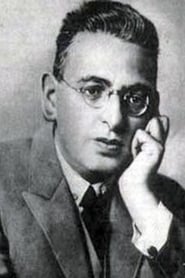
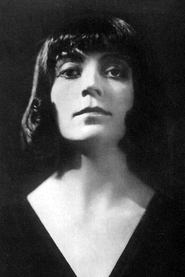
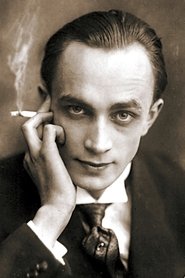
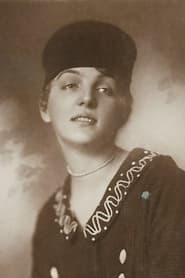
The film was made during the prolific early-Weimar period, when Richard Oswald was among Germany’s most active directors of socially conscious and sensational drama. Like many German silent productions of the era, it was built around expressive performance, stylized sets, and visual storytelling rather than intertitles-heavy exposition. It is associated with Asta Nielsen and Conrad Veidt, two of the most internationally recognized European screen performers of the time, which helped the film travel beyond Germany. No reliable surviving production budget or box-office record is known, which is common for a large share of silent-era European titles.

Historical Background

The film was made in 1920, during the turbulent early years of the Weimar Republic, when Germany was dealing with the aftermath of World War I, political instability, inflationary pressures, and major social change. Cinema in this period often explored moral decay, urban alienation, gender anxiety, and the precariousness of identity, all of which are reflected in the film’s story of a woman attempting to escape a stigmatized past. Richard Oswald was one of several German directors who used melodrama to engage with contemporary social issues while still satisfying audience appetite for sensational narrative. The film also belongs to the larger postwar German cultural movement that would lead into expressionism and the internationally admired style associated with Weimar cinema.

Why This Film Matters

The Merry-Go-Round is significant as part of the early Weimar cycle of socially charged melodramas that treated prostitution, respectability, and female vulnerability as serious dramatic material. Its tragic structure reinforces how silent German cinema frequently portrayed urban modernity as unstable and morally dangerous, especially for women trying to cross class boundaries. The film also matters because it unites two major stars, Asta Nielsen and Conrad Veidt, in a production by Richard Oswald, making it an important document of star culture in early 1920s European cinema. For film historians, it represents the intersection of melodrama, reform-minded social commentary, and the visual sophistication that helped establish Germany as a world cinema center in the silent era.

Making Of

The Merry-Go-Round was mounted at a moment when German cinema was rapidly expanding in artistic ambition and industrial scale, and Oswald was working in a tradition that blended commercial melodrama with social critique. The film likely depended heavily on the expressive capabilities of Asta Nielsen, whose screen persona could communicate emotional conflict with unusual nuance, especially in silent form. Conrad Veidt’s participation also suggests that the production was designed to capitalize on elite star power, a major strategy for German films trying to secure domestic attention and international circulation. Surviving documentation on day-to-day production is limited, but the film clearly belongs to the early-1920s German studio system in which directors, star actors, and producer-distributors collaborated to create visually polished prestige melodramas.

Visual Style

The film’s visual style is rooted in early German silent-film technique, emphasizing strong contrasts, expressive blocking, and emotionally legible mise-en-scène. While detailed shot-by-shot cinematographic records are limited, films of this kind typically relied on carefully arranged interiors, heightened gestures, and symbolic use of space to underscore the heroine’s social entrapment. The production likely used a polished studio look associated with Decla-era and Oswald-associated German melodrama, favoring controlled lighting and dramatic framing over documentary realism. The result would have been visually theatrical but emotionally immediate, aligning with the tragic intensification of the narrative.

Innovations

The film does not appear to be associated with a major technical innovation in the way some German silent classics are, but it is technically notable as an early example of polished Weimar-era melodrama built around sophisticated star performance and controlled visual composition. Its strength lies in the integration of performance, set design, and atmosphere to communicate a socially taboo narrative with clarity. As with many Oswald productions, the film demonstrates how German cinema of the period could elevate sensational subject matter into serious art through cinematic discipline. Its enduring importance is therefore historical and aesthetic rather than technological.

Music

As a silent film, The Merry-Go-Round would originally have been accompanied by live music in theaters rather than a synchronized recorded score. No single original score is definitively documented in the surviving reference material available here. Present-day screenings, when available, may use reconstructed or newly composed accompaniment depending on the archive or venue. The film’s emotional structure would have lent itself well to brooding, melodramatic piano or ensemble scoring.

Memorable Scenes

  • Elena’s desperate attempt to sustain a normal married life despite the shadow of her past.
  • Peter’s reappearance and the way his presence destabilizes the household and Elena’s fragile social standing.
  • The climactic confrontation in which Elena kills Peter.
  • The final tragic act of Elena poisoning herself after the collapse of her hopes for redemption.

Did You Know?

  • The film is also known by its German title, often rendered as "Das Karussell" or "Das Gaukler-Mädchen" in some archival references depending on cataloging traditions.
  • It was directed by Richard Oswald, a filmmaker closely associated with socially critical and reform-minded German cinema in the 1910s and early 1920s.
  • Asta Nielsen was one of the biggest international silent-era stars, and her casting gave the film major prestige beyond its melodramatic subject matter.
  • Conrad Veidt was emerging as one of German cinema’s defining actors during this period, later becoming internationally famous in expressionist and horror films.
  • The story’s subject matter reflects the era’s fascination with prostitution, rehabilitation, and the precarious status of women in modern urban society.
  • As with many silent German dramas, the film’s emphasis is on heightened emotional gesture, moral conflict, and visual atmosphere rather than naturalistic dialogue.
  • The film is a rare surviving example from Richard Oswald’s melodramatic oeuvre, though availability has historically been limited and uneven across archives.
  • Its plot structure resembles the 'fallen woman' melodrama that was especially prevalent in European cinema of the 1910s and early 1920s.
  • The film’s tragic ending distinguishes it from redemptive morality tales and places it within a darker, more fatalistic strand of Weimar drama.

What Critics Said

Contemporary reviews are not widely preserved in easily accessible sources, but the film would have been received in the context of Oswald’s reputation for provocative, topical drama and Nielsen’s immense popularity. Modern critical interest tends to focus less on individual review scores and more on the film’s value as a rare surviving or documented example of Weimar social melodrama with major stars attached. Historians generally regard such films as important evidence of the era’s fascination with sexuality, moral reform, and the consequences of social exclusion. The film’s reputation today is primarily archival and historical rather than mainstream, appreciated by scholars and silent-film enthusiasts for its cast, subject matter, and place in Oswald’s body of work.

What Audiences Thought

Specific audience-response data from 1920 is not well documented, but the combination of famous stars and a sensational, emotionally charged storyline suggests it was designed to attract adult urban audiences. Silent-era spectators were accustomed to melodramatic stories about fallen women, betrayal, and redemption, and the film’s tragic climax likely offered the kind of intense emotional payoff that made such dramas popular. Its appeal would have rested heavily on Asta Nielsen’s star persona and the dramatic tension created by Conrad Veidt’s presence. Today, audience reception is mostly limited to specialized viewers, archivists, and classic-film fans who encounter it through retrospectives or historical screenings.

Film Connections

Influenced By

  • Late-1910s European social melodramas
  • The fallen-woman genre in stage and silent cinema
  • Contemporary reform dramas addressing urban vice and sexual exploitation

This Film Influenced

  • Later Weimar melodramas centered on sexual danger and social downfall
  • Subsequent cinema featuring the fallen-woman archetype
  • German social dramas exploring the costs of respectability

Film Restoration

The film appears to survive in archival form, though it is not widely circulated and may not exist in a broadly restored commercial edition. Availability is limited and may depend on archive holdings or specialized silent-film collections rather than mainstream distribution.

Themes & Topics