Richard Oswald
Actor & Director
Born: November 5, 1880 in Vienna, Austria-Hungary Died: September 11, 1963 Active: 1914-1955 Birth Name: Richard Ornstein
Films
6 films

About Richard Oswald
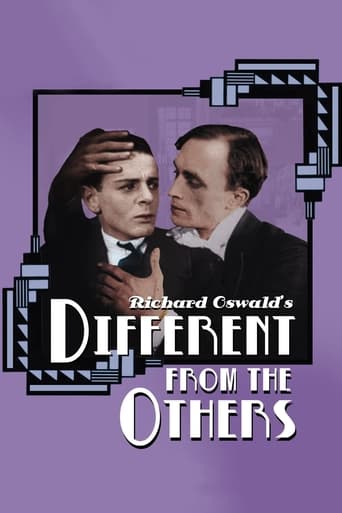
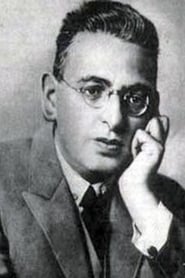
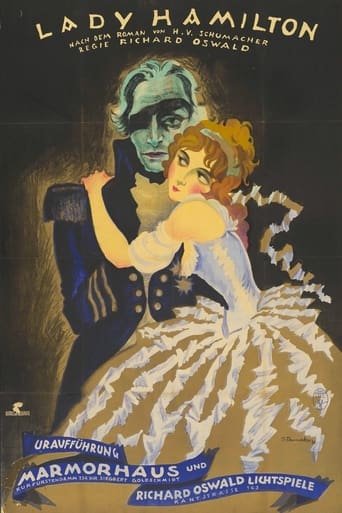
Richard Oswald, born Richard Ornstein, was an Austrian film director, producer, and screenwriter who became prolific and controversial filmmakers of the German silent era. Beginning his career as an actor in Vienna theaters, he transitioned to filmmaking in 1914 and quickly established himself as a director willing to tackle taboo subjects. Oswald gained international attention for his socially conscious films, particularly 'Different from the Others' (1919), which was one of the first films to sympathetically portray homosexuality and was co-written with sexologist Magnus Hirschfeld. He also excelled in the horror genre with films like 'Eerie Tales' (1919) and created lavish historical epics such as 'Lady Hamilton' (1921). After the Nazi rise to power in 1933, Oswald, being Jewish, fled Germany first to France and then to the United States, where he continued directing under the name Richard Oswald. He returned to Germany after World War II and directed several more films before retiring in 1955, leaving behind a legacy of courage in addressing controversial topics and technical innovation in early cinema.
The Craft
On Screen
Though primarily known as a director, Oswald occasionally appeared in his own films, including 'Eerie Tales' where he took a small acting role. His performances were typically in supporting capacities and reflected his theatrical background, with a formal, stage-influenced delivery typical of the silent era.
Behind the Camera
Oswald was known for his progressive approach to controversial subjects, particularly social issues and sexuality. His directing style combined technical innovation with social commentary, often using expressionistic lighting and camera techniques to enhance psychological themes. He was particularly adept at creating atmospheric horror films and lavish historical productions, demonstrating versatility across genres while maintaining a distinctive visual aesthetic that emphasized mood and social relevance.
Milestones
- Directed 'Different from the Others' (1919), one of the first pro-gay rights films
- Created the horror anthology 'Eerie Tales' (1919)
- Produced and directed the historical epic 'Lady Hamilton' (1921)
- Founded his own production company, Richard-Oswald-Film GmbH
- Fled Nazi Germany in 1933 and continued career in exile
- Returned to post-war Germany and directed films until 1955
Best Known For
Iconic Roles
Must-See Films
Accolades
Special Recognition
- Pioneer of LGBTQ+ cinema representation
- Recognized for courage in addressing social taboos in early film
Working Relationships
Worked Often With
Studios
Why They Matter
Impact on Culture
Richard Oswald made an indelible mark on cinema history through his courageous approach to controversial subjects at a time when such topics were considered taboo. His film 'Different from the Others' was groundbreaking in its sympathetic portrayal of homosexuality, making him one of the first filmmakers to address LGBTQ+ issues with compassion and understanding. This film, though largely destroyed by the Nazis, represents a crucial milestone in queer cinema history. Oswald's work in the horror genre, particularly 'Eerie Tales,' helped establish the anthology format in horror cinema and influenced later German Expressionist filmmakers. His historical epics like 'Lady Hamilton' demonstrated that German cinema could compete with Hollywood in terms of production values and international appeal.
Lasting Legacy
Richard Oswald's legacy lies primarily in his approach to social issues in cinema and his technical innovations in the silent era. Despite the destruction of many of his most controversial works by the Nazis, his surviving films continue to be studied by film historians for their bold themes and artistic merit. His courage in addressing homosexuality, prostitution, and other taboo subjects paved the way for future generations of filmmakers to tackle controversial topics. Oswald's career also shows the resilience of Jewish artists who were forced into exile by the Nazi regime, and his post-war return to Germany symbolizes the complex relationship between German artists and their homeland during this tumultuous period.
Who They Inspired
Oswald influenced subsequent generations of filmmakers through his willingness to address social taboos and his technical innovations in film production. His work on LGBTQ+ representation in cinema predates almost all other such efforts, making him a foundational figure in queer cinema history. German Expressionist directors like F.W. Murnau and Fritz Lang were influenced by his atmospheric techniques and psychological approach to storytelling. His anthology format in 'Eerie Tales' influenced countless horror filmmakers throughout the 20th century. Contemporary filmmakers dealing with LGBTQ+ themes and social justice issues owe a debt to Oswald's groundbreaking work in the 1910s and 1920s.
Off Screen
Richard Oswald was married to actress Käthe Oswald, who frequently appeared in his films. The couple had one daughter, Gisela, who also became involved in the film industry. As a Jewish filmmaker in Nazi Germany, Oswald faced persecution and was forced to flee his adopted country, leaving behind a successful career and studio. He spent his exile years in France and the United States before returning to Germany after World War II, where he attempted to rebuild his career in the devastated German film industry.
Education
Studied at Vienna Academy of Music and Performing Arts, trained in theater before transitioning to film
Family
- Käthe Oswald (married 1916-1963)
Did You Know?
- His birth name was Richard Ornstein, which he changed to Oswald for his film career
- Founded his own production company in 1916, giving him creative control over his projects
- 'Different from the Others' was co-written with sexologist Magnus Hirschfeld
- Most copies of his most controversial films were destroyed by the Nazis
- Fled Germany in 1933, just days after being warned of his impending arrest
- Worked briefly in Hollywood under the name Richard Oswald during his exile
- His film 'The Hunchback and the Dancer' (1920) featured an early performance by future star Lilian Harvey
- Directed over 100 films during his career, though many are now lost
- Was one of the first directors to use lighting techniques to create psychological atmosphere
- His wife Käthe appeared in over 20 of his films
- Returned to Germany in 1949 after 16 years in exile
- His final film was 'The Last Man' (1955), marking the end of a 40-year career
In Their Own Words
In cinema, we have the power to show society what it refuses to see in itself
Art must be brave, or it is merely entertainment
The camera is the most honest instrument for revealing human truth
When they burn our films, they only prove how much they fear the truth
Cinema should not just reflect society, but challenge it to be better
Frequently Asked Questions
Who was Richard Oswald?
Austrian-born on YTB.my. He was particularly known for his progressive films that addressed social taboos and his work in LGBTQ+ cinema representation.
What films is Richard Oswald best known for?
Titles linked here include Different from the Others (1919), Eerie Tales (1919).
When was Richard Oswald born and when did he die?
Born November 5, 1880; died September 11, 1963.
What awards did Richard Oswald win?
While Richard Oswald did not receive major formal awards during his lifetime, he is now recognized as a figure in cinema history, particularly for his groundbreaking work in LGBTQ+ representation and his courage in addressing social taboos in early film.
What was Richard Oswald's directing style?
Oswald's directing style combined technical innovation with bold social commentary, often using expressionistic lighting and atmospheric techniques to enhance psychological themes. He was known for his versatility across genres while maintaining a progressive approach to controversial subjects and a distinctive visual aesthetic that emphasized mood and social relevance.
How did the Nazis affect Richard Oswald's career?
As a Jewish filmmaker who addressed controversial social issues, Oswald was targeted by the Nazi regime. Many of his most progressive films were destroyed, he was forced to flee Germany in 1933, and he spent 16 years in exile in France and the United States before returning to post-war Germany in 1949.
What was Richard Oswald's contribution to LGBTQ+ cinema?
Oswald made a groundbreaking contribution to LGBTQ+ cinema with 'Different from the Others' (1919), co-written with sexologist Magnus Hirschfeld. This film was one of the first to portray homosexuality sympathetically and advocate for gay rights, making it a foundational work in queer cinema history despite its suppression by the Nazis.
Did Richard Oswald act in his own films?
Yes, while primarily known as a director, Oswald occasionally appeared in his own films in small roles. Most notably, he took a cameo appearance in 'Eerie Tales' (1919), demonstrating his theatrical background and understanding of performance.