
Theodor Loos
Actor
Born: May 18, 1883 in Zwingenberg, Grand Duchy of Hesse, German Empire Died: June 27, 1954 Active: 1913-1954 Birth Name: Theodor August Konrad Loos
Films
10 films

About Theodor Loos
German character actor active from the silent era through the early sound period. Born in Zwingenberg in the Grand Duchy of Hesse, he began his acting career on the stage before transitioning to film around 1913. Loos became recognizable supporting actors in Weimar Republic cinema, known for his distinctive appearance and versatile performances. He achieved particular fame through his collaborations with director Fritz Lang, appearing in several of Lang's most celebrated works including the epic 'Die Nibelungen' series and the science fiction masterpiece 'Metropolis'. Loos successfully made the transition to sound films, continuing his prolific career throughout the 1930s and early 1940s. His career was temporarily interrupted during the Nazi era due to his earlier marriage to a Jewish actress, though he eventually returned to filmmaking. By the time of his death in 1954, Loos had appeared in over 200 films, shaping German cinematic history across five decades.
The Craft
On Screen
Theodor Loos was known for his commanding presence and ability to portray authority figures with gravitas and nuance. His acting style embodied the theatrical traditions of the German stage, which he adapted effectively for the camera. In silent films, he utilized exaggerated gestures and expressive facial features typical of the era, yet managed to convey subtle emotional depths. Loos excelled at playing characters of moral authority - judges, officials, scientists, and noblemen - bringing a dignified restraint to his performances. His distinctive tall, thin frame and piercing eyes made him instantly recognizable, while his deep, resonant voice served him well in the transition to sound films.
Milestones
- Stage debut in 1901 at the Stadttheater in Mainz
- Film debut in 1913 with 'Der Film von der Königin Luise'
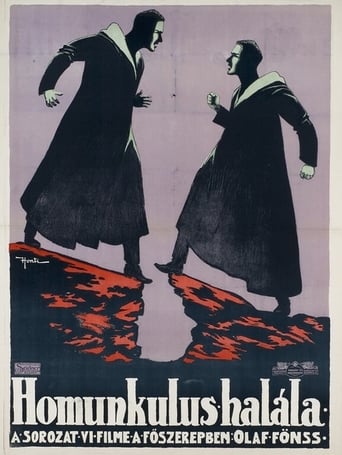
- Breakthrough role in 'Homunculus' (1916)
- Collaboration with Fritz Lang beginning in the early 1920s
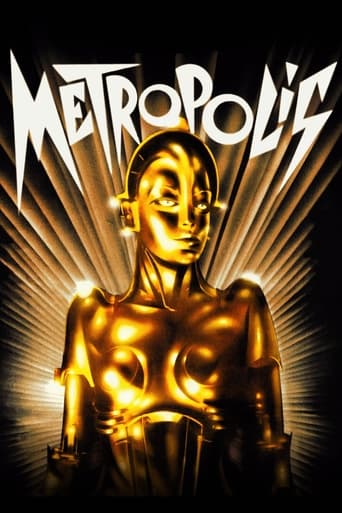
- Memorable performance as Josaphat in 'Metropolis' (1927)
- Transition to sound films in the early 1930s
- Over 200 film appearances throughout his 41-year career
Best Known For
Iconic Roles
Must-See Films
Accolades
Special Recognition
- Honored at the German Film Archive for contributions to German cinema
- Featured in retrospectives of Weimar cinema at international film festivals
Working Relationships
Worked Often With
Studios
Why They Matter
Impact on Culture
Theodor Loos played a significant role in shaping the visual language of German Expressionist cinema through his work in some of the most influential films of the silent era. His performances in Fritz Lang's epics helped establish archetypes of authority and wisdom that would influence cinema worldwide. Loos's presence in 'Metropolis' contributed to. His ability to convey complex emotions through subtle gestures and expressions helped bridge the gap between theatrical acting and the more naturalistic style that would come to dominate cinema. Through his extensive filmography, Loos provided a visual record of German society and culture during one of its most transformative periods.
Lasting Legacy
Theodor Loos remains a touchstone of German Expressionist screen acting. His performances continue to be studied by film scholars and appreciated by classic cinema enthusiasts. Loos's work demonstrates how theatrical techniques could be adapted for the medium of film. His collaborations with Fritz Lang resulted in some of the most influential films in cinema history, ensuring his place in film history textbooks. Posthumously, Loos has been celebrated in retrospectives of Weimar cinema, and his films remain accessible through restoration projects and home video releases. His career illustrates the resilience of artists who worked through Germany's most challenging political periods.
Who They Inspired
Theodor Loos influenced subsequent generations of German character actors through his distinctive approach to playing authority figures with both gravitas and humanity. His technique of combining theatrical presence with subtle emotional nuance became a model for actors transitioning from stage to screen. Loos's work in Expressionist cinema helped establish visual and performance conventions that would influence film noir and other genres internationally. Contemporary actors studying German cinema often look to Loos's performances as examples of how to convey complex characters in silent film. His ability to adapt his style from the exaggerated requirements of silent cinema to the more naturalistic demands of sound films demonstrated a versatility that inspired other actors facing similar transitions.
Off Screen
Theodor Loos was married twice during his lifetime. His first marriage was to Jewish actress Bertha Hirsch, which created complications for his career during the Nazi regime. They divorced in 1933 under political pressure. He later married Elisabeth Lennartz, another German actress. Loos had at least one child from his first marriage. He lived through some of the most turbulent periods in German history, including World War I, the Weimar Republic, the Nazi era, and post-war reconstruction. Despite political pressures and career setbacks during the Third Reich, Loos managed to continue working in the German film industry until his death in Stuttgart in 1954.
Education
Trained at acting schools in Frankfurt and Berlin, studied under prominent theater directors of the early 20th century
Family
- Bertha Hirsch (1915-1933)
- Elisabeth Lennartz (1935-1954)
Did You Know?
- Appeared in over 200 films during his 41-year career
- Was a close collaborator with Fritz Lang, appearing in at least 8 of his films
- His first marriage to a Jewish actress caused career difficulties during the Nazi regime
- Continued acting well into his 60s, appearing in films until the year of his death
- Was originally trained as a stage actor before transitioning to film
- His distinctive tall, thin appearance made him easily recognizable even in crowd scenes
- Survived both World Wars and worked through three different German political systems
- Was part of the ensemble cast that made 'Metropolis'
- His voice was well-suited for sound films, allowing him to continue his career successfully
- Often played judges, officials, scientists, and other authority figures due to his dignified bearing
In Their Own Words
As a character actor, I don't need the spotlight, just the right light to illuminate the character
The transition from silent to sound was not a challenge for those who understood that acting is about truth, not volume
Working with Lang was like being part of creating dreams that would outlive us all
In every role, no matter how small, there lies a complete human story waiting to be told
Frequently Asked Questions
Who was Theodor Loos?
Screen credits include over 200 films from 1913 to 1954. He was particularly prominent during the silent era and early sound period of German cinema, known for his collaborations with director Fritz Lang and his distinctive portrayals of authority figures.
What films is Theodor Loos best known for?
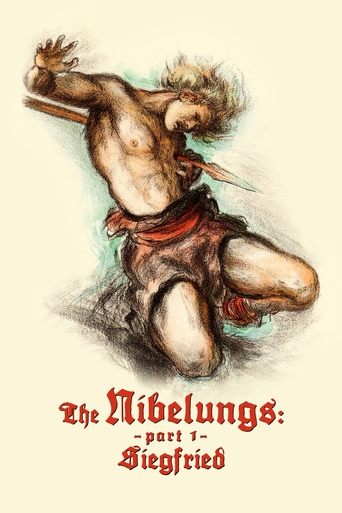
Titles linked here include Metropolis (1927), Die Nibelungen: Siegfried (1924).
When was Theodor Loos born and when did he die?
Born May 18, 1883; died June 27, 1954.
What awards did Theodor Loos win?
While Theodor Loos did not receive major formal awards during his lifetime, he has been posthumously honored for his contributions to German cinema. The German Film Archive has recognized his work, and he has been featured in international retrospectives of Weimar cinema that celebrate his significant role in film history.
What was Theodor Loos's acting style?
Loos was known for his theatrical yet nuanced acting style that effectively bridged stage and screen performance. He excelled at portraying authority figures with gravitas and dignity, using commanding presence and expressive features. His style embodied German Expressionist cinema's dramatic conventions while maintaining emotional authenticity.
How did Theodor Loos's career change during the Nazi era?
Loos faced career challenges during the Nazi regime due to his marriage to Jewish actress Bertha Hirsch. They divorced in 1933 under political pressure, but Loos was able to continue working in German cinema, though not in the most prominent roles. He survived this period and resumed his career after World War II.
What was Theodor Loos's relationship with Fritz Lang?
Theodor Loos was one of Fritz Lang's most frequently used character actors, appearing in at least eight of the director's films. Their collaboration spanned from the early 1920s through the early sound period, including Lang's most celebrated works. Loos became part of Lang's regular ensemble of actors who helped define the visual style of German Expressionist cinema.