Films
2 films
About Ilse von Tasso-Lind
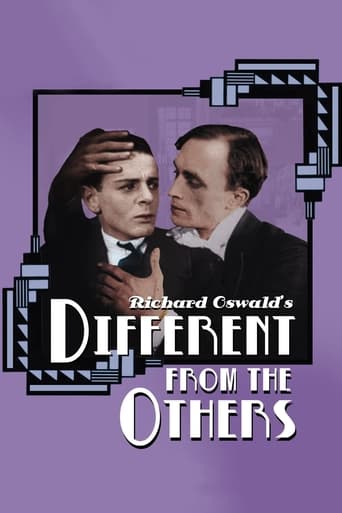
German actress who appeared briefly during the silent film era, most notably in Richard Oswald's 1919 film 'Different from the Others' (Anders als die Andern). Her career appears to have been extremely brief, with her only known film work occurring in 1919. The film in which she appeared was historically significant as one of the first sympathetic portrayals of homosexuality in cinema, though it was later banned and largely destroyed by the Nazis. Von Tasso-Lind played the role of the sister in this controversial and important work of Weimar cinema. Like many actors from this period, particularly those with such brief careers, detailed documentation of her life and career is scarce. Her contribution to cinema, while limited in scope, was part of a revolutionary period in German film that pushed social boundaries and artistic conventions.
The Craft
Milestones
- Appeared in 'Different from the Others' (1919), one of the first films to sympathetically portray homosexuality
Best Known For
Iconic Roles
Must-See Films
Working Relationships
Worked Often With
Why They Matter
Impact on Culture
Ilse von Tasso-Lind's cultural impact is primarily tied to her participation in 'Different from the Others,' a film that was revolutionary for its time in its sympathetic portrayal of homosexual characters. The film was part of the progressive and experimental spirit of Weimar cinema, which pushed boundaries in both artistic and social terms. Though her role was supporting, her contribution was part of a work that challenged societal norms and helped pave the way for more diverse representations in cinema. The film's destruction by the Nazis and its partial reconstruction decades later has made all surviving cast members, including von Tasso-Lind, part of an important chapter in film history and LGBTQ+ cinema representation.
Lasting Legacy
Ilse von Tasso-Lind's legacy is intrinsically linked to the preservation and rediscovery of 'Different from the Others.' As the film gained recognition in film studies and LGBTQ+ history, all contributors to this groundbreaking work have been acknowledged as pioneers. While her individual career was brief, her participation in this historically significant film ensures her place in cinema history as part of an early attempt at progressive social commentary through the medium of film.
Who They Inspired
Due to the brevity of her career and limited documentation, specific influences of Ilse von Tasso-Lind on other actors or filmmakers cannot be definitively traced. However, her participation in an early socially conscious film contributed to the tradition of cinema as a medium for addressing controversial topics and marginalized communities.
Off Screen
Very little is documented about Ilse von Tasso-Lind's personal life, which is not uncommon for actors with such brief careers in the silent era. Her aristocratic-sounding name suggests she may have come from a noble or upper-class background, which was not unusual for actors in early German cinema.
Did You Know?
- Her only known film appearance was in 'Different from the Others' (1919)
- The film she appeared in was directed by Richard Oswald, a prominent figure in early German cinema
- The film was co-written by Magnus Hirschfeld, a sexologist and LGBTQ+ rights advocate
- Most copies of 'Different from the Others' were destroyed by the Nazis in the 1930s
- Only fragments of the film survive today, making all performances from it historically valuable
- Her aristocratic-sounding name suggests possible noble heritage
- The film was one of the first to argue for the decriminalization of homosexuality
- The film was banned shortly after its release due to its controversial subject matter
Frequently Asked Questions
Who was Ilse von Tasso-Lind?
German actress from the silent film era, known primarily for her appearance in the 1919 film 'Different from the Others.' Her career appears to have been extremely brief, with her only documented film work occurring in that single year.
What films is Ilse von Tasso-Lind best known for?
Titles linked here include Different from the Others (1919).
When was Ilse von Tasso-Lind born and when did she die?
Specific birth and death dates for Ilse von Tasso-Lind are not documented in available historical records, which is not uncommon for actors with such brief careers in the silent era. She was active in German cinema in 1919.
What awards did Ilse von Tasso-Lind win?
There are no documented awards or nominations for Ilse von Tasso-Lind, which is typical for actors with such brief careers in the early film industry, especially for those involved in controversial films that were quickly suppressed.
What was Ilse von Tasso-Lind's acting style?
Due to the limited survival of her work and brief career, specific details about Ilse von Tasso-Lind's acting style are not well-documented. She would have worked within the conventions of German silent film acting of the late 1910s.