

Eduard von Winterstein
Actor
Born: August 1, 1871 in Vienna, Austria-Hungary (now Austria) Died: March 22, 1961 Active: 1910-1960 Birth Name: Eduard Clemens Franz von Bünau
Films
7 films
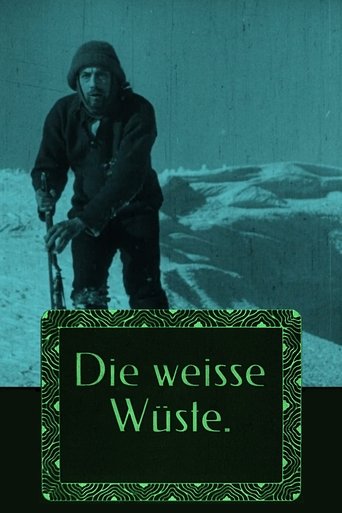
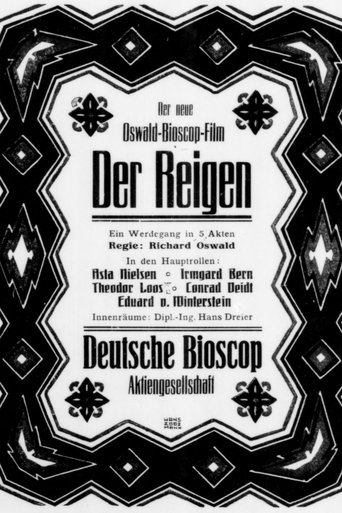
About Eduard von Winterstein
German character actor: over five decades, from the silent era through the early sound period and into post-war German cinema. Born into Austrian nobility, he brought an authentic aristocratic presence to his roles, often portraying noblemen, military officers, and authority figures with remarkable gravitas. He began his stage career in the 1890s before transitioning to film around 1910, quickly becoming one of Germany's most reliable character actors. During the golden age of German silent cinema, he worked with directors including Ernst Lubitsch, F.W. Murnau, and Fritz Lang, appearing in numerous significant productions. His career continued through the Nazi era and into the 1950s, where he adapted seamlessly to sound films and continued playing character roles. By the time of his death in 1961, he had appeared in over 200 films, making him prolific actors in German cinema history.
The Craft
On Screen
Known for his aristocratic bearing and dignified presence, von Winterstein specialized in portraying nobility and authority figures with authentic gravitas. His acting style was rooted in classical theater training, bringing a formal, commanding presence to his screen performances. In silent films, he used subtle facial expressions and body language to convey complex emotions, particularly effective in roles requiring stoicism and authority. His deep, resonant voice made him well-suited for the transition to sound films, where he continued his specialty of playing dignified, often stern characters.
Milestones
- Stage debut in the 1890s
- Film debut around 1910
- Key roles in German Expressionist cinema
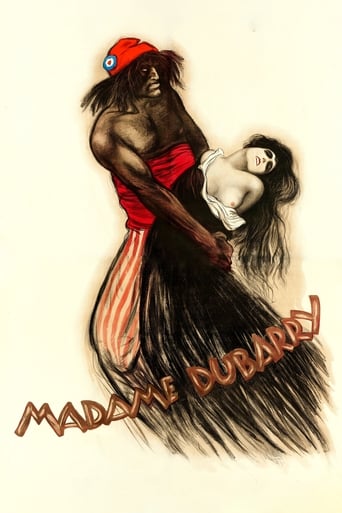
- Work with Lubitsch on Madame DuBarry (1919)
- Collaboration with F.W. Murnau
- Continued career through Nazi era
- Post-war film career in West Germany
- Over 200 film appearances
Best Known For
Iconic Roles
Must-See Films
Accolades
Special Recognition
- Recognized as one of Germany's most prolific character actors
- Honored for contributions to German cinema spanning five decades
Working Relationships
Worked Often With
Studios
Why They Matter
Impact on Culture
Eduard von Winterstein represented the bridge between 19th-century theatrical traditions and 20th-century cinema, embodying the transition of performance styles from stage to screen. His aristocratic presence and dignified performances helped establish the archetype of the noble authority figure in German cinema, influencing how such characters were portrayed for decades. His longevity through different political regimes in Germany demonstrated how certain character actors could maintain relevance by adapting to changing cinematic styles while preserving their core artistic identity. His work in Expressionist cinema contributed to the visual and thematic vocabulary that would influence international film movements.
Lasting Legacy
Von Winterstein's legacy lies in his remarkable versatility and longevity as a character actor, appearing in over 200 films across five decades of German cinema. He serves as a living chronicle of German film history, having worked through the silent era, the transition to sound, the Nazi period, and post-war reconstruction. His aristocratic bearing and authentic portrayal of nobility helped establish character archetypes that would persist in German cinema. His career demonstrates how classically trained actors could successfully transition from stage to film and adapt to changing technologies and political climates while maintaining artistic integrity.
Who They Inspired
Von Winterstein influenced subsequent generations of German character actors through his demonstration of how to maintain dignity and gravitas in film performances. His ability to convey authority and nobility without caricature set a standard for actors playing similar roles. His successful adaptation from silent to sound film provided a model for other actors facing technological transitions in cinema. His son Gustl von Winterstein followed in his footsteps, continuing the family's contribution to German performing arts.
Off Screen
Eduard von Winterstein was born into Austrian nobility as Eduard Clemens Franz von Bünau, adopting 'von Winterstein' as his professional stage name. He came from a aristocratic family background which naturally suited his casting in noble roles. He married twice during his lifetime, first to actress Gussy Holl and later to Mimi Grosse. His personal life was relatively private compared to his public career, though he was known to be a respected figure in the German theatrical community. He spent his final years in West Berlin, where he died at the age of 89, having witnessed and participated in the entire evolution of German cinema from its silent beginnings to modern sound films.
Education
Classical theater training, likely received formal education befitting his noble status
Family
- Gussy Holl (1913-1926)
- Mimi Grosse (1928-1961)
Did You Know?
- Born into Austrian nobility as Eduard Clemens Franz von Bünau
- Appeared in over 200 films during his 50-year career
- Worked with virtually every major German director of his era
- Successfully transitioned from silent films to talkies
- Continued acting through the Nazi regime and into post-war West Germany
- His son Gustl von Winterstein also became a successful actor
- Was particularly known for playing kings, noblemen, and military officers
- Maintained his aristocratic stage name throughout his entire career
- Was active in films from age 39 until age 89
- Represented the old-world aristocracy in German cinema during times of tremendous social and political change
In Their Own Words
The stage teaches you what the camera cannot - the weight of silence and the power of stillness.
In playing nobility, one must not act noble, one must simply be noble - the camera knows the difference.
From the Kaiser's time to the atomic age, I have watched Germany change through my lens as an actor.
Frequently Asked Questions
Who was Eduard von Winterstein?
Screen credits include over 200 films from the silent era through the 1950s. He was particularly known for his aristocratic bearing and frequent portrayals of noblemen, military officers, and authority figures in German cinema.
What films is Eduard von Winterstein best known for?
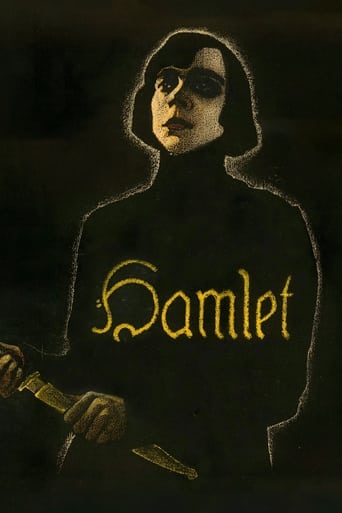
Titles linked here include Madame DuBarry (1919), Hamlet (1921).
When was Eduard von Winterstein born and when did he die?
Born August 1, 1871; died March 22, 1961.
What awards did Eduard von Winterstein win?
While specific major awards are not extensively documented, von Winterstein was recognized as one of Germany's most prolific and respected character actors, honored for his contributions to German cinema spanning five decades and over 200 film appearances.
What was Eduard von Winterstein's acting style?
His acting style was characterized by aristocratic gravitas and dignified presence, rooted in classical theater training. He specialized in portraying nobility with authentic bearing, using subtle expressions in silent films and his resonant voice in talkies to convey authority and sophistication.