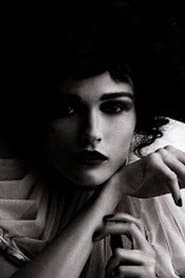
Anita Berber
Actor
Born: June 10, 1899 in Leipzig, German Empire Died: November 10, 1928 Active: 1918-1928
Films
2 films

About Anita Berber
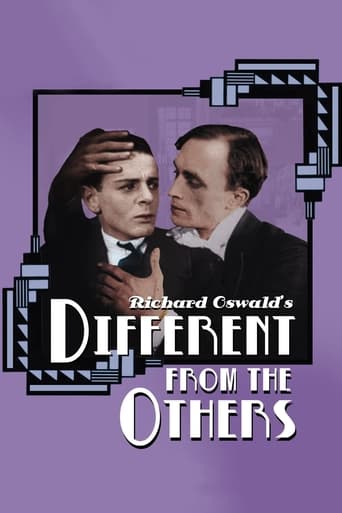
German dancer, actress, and performance artist who epitomized the decadence and artistic rebellion of Weimar Berlin. Born into a middle-class family, she began her dance training with Rita Sacchetto and quickly developed her own avant-garde style that combined eroticism with expressionistic movement. Her performances at Berlin's Wintergarten and other venues shocked conservative German society through their frequent nudity, explicit themes, and unconventional choreography. In 1919, Berber transitioned to film, appearing in several notable silent movies including the 'Different from the Others,' one of cinema's first sympathetic portrayals of homosexuality. Her personal life was as scandalous as her artistic output - she was openly bisexual, married twice, and famously danced nude through public spaces while under the influence of cocaine and alcohol. Despite dying at just 29 from tuberculosis, Berber on Weimar culture and continues to fascinate historians as a symbol of artistic freedom and sexual liberation in the 1920s.
The Craft
On Screen
Berber's acting style was intensely expressionistic and uninhibited, characterized by exaggerated gestures and raw emotional displays that mirrored her dance performances. She brought a provocative authenticity to her roles, often playing characters that reflected her own rebellious and sexually liberated persona. Her screen presence was magnetic and controversial, using the silent medium to convey complex emotions through movement and facial expression rather than dialogue.
Milestones
- Pioneered expressionist dance performances that challenged social conventions
- Starred in 'Different from the Others' (1919), one of cinema's first pro-LGBTQ+ films
- Performed controversial nude dances throughout Berlin's cabarets and theaters
- Published scandalous autobiography 'Dances of Depravity' detailing her lifestyle
- Became the unofficial muse of Weimar Berlin's decadent artistic scene
- Toured internationally with her provocative dance performances
- Collaborated frequently with director Richard Oswald on progressive films
Best Known For
Iconic Roles
Must-See Films
Accolades
Special Recognition
- Posthumously recognized as an icon of Weimar culture
- Featured in numerous retrospectives on German Expressionist cinema
- Subject of academic studies on gender and performance in early 20th century
Working Relationships
Worked Often With
Studios
Why They Matter
Impact on Culture
Anita Berber became an enduring symbol of Weimar Berlin's artistic freedom and sexual liberation, representing the era's embrace of decadence and rebellion against Victorian morality. Her performances challenged conventional notions of femininity, sexuality, and artistic expression, paving the way for more open discussions of gender and sexuality in German culture. Berber's influence extended beyond dance and film into literature, visual arts, and fashion, with her distinctive style - often performing in elaborate costumes or completely nude - inspiring artists and photographers of the period. Her fearless approach to self-expression and her refusal to conform to social expectations made her an icon for subsequent generations of artists and performers seeking to push boundaries.
Lasting Legacy
Anita Berber's legacy endures as. She is remembered as a pioneer of expressionist dance and an early advocate for sexual freedom and artistic expression. Her brief but brilliant career has been the subject of numerous books, documentaries, and academic studies exploring her impact on early 20th-century culture. Contemporary artists continue to draw inspiration from her fearless approach to performance and her rejection of social conventions. Berber's life and work have become emblematic of the creative explosion that defined Weimar Berlin, serving as a powerful reminder of an era when artistic experimentation and personal freedom flourished before being suppressed by the rise of fascism.
Who They Inspired
Berber influenced countless performers through her innovative approach to dance and her willingness to tackle taboo subjects. Her expressionist style presaged later developments in modern dance and performance art, while her films contributed to the visual vocabulary of German Expressionism. Artists ranging from Marlene Dietrich to Madonna have drawn inspiration from her combination of eroticism, artistic rebellion, and personal authenticity. Her impact on LGBTQ+ representation in media is particularly significant, as her work helped normalize discussions of sexuality and gender identity in popular culture during a period when such topics were largely forbidden.
Off Screen
Anita Berber's personal life was as scandalous as her artistic career. She was openly bisexual and had relationships with both men and women, which was highly controversial for her time. Her first marriage was to actor Sebastian Droste, with whom she collaborated artistically before their divorce. She later married a Jewish-American dancer, Henri Chatin-Hoffman, in 1925. Berber struggled with severe drug addiction, particularly to cocaine and morphine, and was known for her heavy alcohol consumption. Her lifestyle of excess and rebellion against social norms made her both celebrated and reviled in Weimar society. Despite her early death from tuberculosis, she spent her final years continuing to perform and push artistic boundaries.
Education
Studied dance under Rita Sacchetto in Berlin; received formal training in ballet and modern dance techniques
Family
- Sebastian Droste (1922-1923)
- Henri Chatin-Hoffman (1925-1928)
Did You Know?
- Often performed completely nude, even in public spaces like Berlin's Hotel Adlon
- Was reportedly addicted to cocaine and morphine, consuming up to 10 grams of cocaine daily
- Famously danced naked through the streets of Berlin with her pet leopard on a leash
- Her autobiography 'Dances of Depravity' was banned for its explicit content
- Died at age 29 in a Berlin sanatorium from tuberculosis, exacerbated by her drug use
- Was the subject of Otto Dix's famous portrait 'Anita Berber' (1925)
- Her funeral was attended by thousands, despite her controversial reputation
- Spoke multiple languages and performed internationally throughout Europe
- Her signature dance 'Cocaine' simulated the effects of drug use through movement
- Was known to bathe in champagne at exclusive Berlin nightclubs
In Their Own Words
I am not immoral, I am only natural.
Dance is the hidden language of the soul, and my soul speaks of freedom.
Why should I hide what God gave me? My body is my instrument.
In Berlin, we are dancing on the edge of a volcano - and I love the heat.
Cocaine is my muse, my lover, my death - all in one white powder.
Frequently Asked Questions
Who was Anita Berber?
Groundbreaking German dancer, actress, and performance artist who became an icon of Weimar Berlin's decadent cultural scene in the 1920s. Known for her provocative nude performances, expressionist dance style, and controversial lifestyle, she challenged social conventions through her art and personal choices.
What films is Anita Berber best known for?
Titles linked here include Different from the Others (1919), Eerie Tales (1919).
When was Anita Berber born and when did she die?
Born June 10, 1899; died November 10, 1928.
What awards did Anita Berber win?
During her lifetime, Anita Berber did not receive formal awards or nominations, as her work was considered too controversial for establishment recognition. However, she has been posthumously recognized as an important cultural figure and icon of Weimar Germany's artistic rebellion.
What was Anita Berber's acting and dancing style?
Berber's style was intensely expressionistic, characterized by exaggerated movements, raw emotional displays, and provocative themes. Her dance performances often featured nudity and erotic elements that shocked audiences, while her film acting mirrored this uninhibited approach with exaggerated gestures typical of German Expressionist cinema.