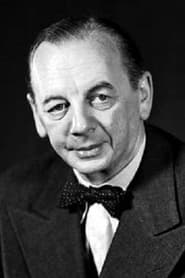
Reinhold Schünzel
Actor & Director
Born: November 7, 1888 in Hamburg, German Empire Died: November 11, 1964 Active: 1916-1950s
Films
5 films

About Reinhold Schünzel
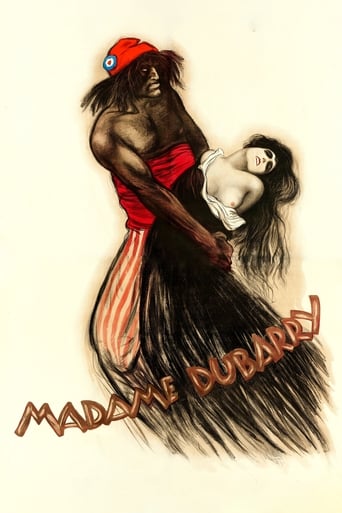
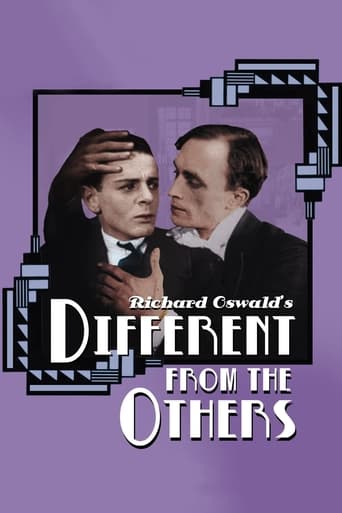
Versatile German actor, director, and screenwriter: from the silent era through the early sound period in both European and American cinema. Born in Hamburg in 1888, he began his career on the stage before transitioning to film in 1916, quickly establishing himself as a prominent figure in Weimar-era German cinema. His early work included acting in films like Ernst Lubitsch's 'Madame DuBarry' (1919) and the controversial 'Different from the Others' (1919), one of the first sympathetic portrayals of homosexuality in cinema. As a director, Schünzel developed a reputation for sophisticated comedies and satires, with films like 'All for Money' (1923) showcasing his ability to blend social commentary with entertainment. Due to his Jewish heritage, he was forced to flee Nazi Germany in the 1930s, successfully transitioning to Hollywood where he directed several films for major studios. After World War II, he returned to Germany and continued working in the film industry until his death in 1964, leaving behind a as a transatlantic filmmaker who navigated some of the most tumultuous periods in cinema history.
The Craft
On Screen
Schünzel was known for his sophisticated and nuanced performances, often playing charismatic leading men with a touch of world-weary cynicism. His acting style combined theatrical precision with naturalistic subtlety, particularly evident in his ability to convey complex emotions through minimal gestures in silent films. He excelled at both dramatic and comic roles, bringing a distinctive intelligence and wit to his characters that reflected his background in sophisticated European theater.
Behind the Camera
As a director, Schünzel was celebrated for his elegant visual style and sophisticated approach to comedy and social satire. His films often featured sharp dialogue, clever visual gags, and a keen eye for social commentary, particularly in his critiques of bourgeois society and political hypocrisy. Schünzel's direction was characterized by smooth pacing, refined compositions, and an ability to extract nuanced performances from his actors, earning him comparisons to fellow German émigré Ernst Lubitsch.
Milestones
- Breakthrough role in Ernst Lubitsch's 'Madame DuBarry' (1919)
- Groundbreaking performance in 'Different from the Others' (1919)
- Successful directorial debut with 'All for Money' (1923)
- Exile from Nazi Germany due to Jewish heritage
- Transition to Hollywood filmmaking in the 1930s
- Return to post-war German cinema
- Career spanning both silent and sound eras
Best Known For
Iconic Roles
Must-See Films
Accolades
Won
- Venice Film Festival Volpi Cup for Best Actor (1932)
Nominated
- Multiple German Film Award nominations throughout his career
Special Recognition
- Star on the Hollywood Walk of Fame
- Retrospective honors at various international film festivals
- Recognition as a pioneer of German cinema
Working Relationships
Worked Often With
Studios
Why They Matter
Impact on Culture
Reinhold Schünzel made significant cultural contributions through his work in early German cinema, particularly in films that addressed social taboos and political themes. His involvement in 'Different from the Others' marked him as a courageous artist willing to tackle controversial subjects during a conservative era. As a transatlantic filmmaker, he helped bridge German and American cinematic traditions, bringing European sophistication to Hollywood comedies and American technical expertise back to post-war German films. His work during the Weimar period represents some of the most artistically ambitious cinema of that era, while his later Hollywood films demonstrate the successful adaptation of European sensibilities to American studio systems.
Lasting Legacy
Schünzel's legacy endures through his significant contributions to both German and American cinema, particularly in the development of sophisticated comedy and social satire in film. His successful navigation of different film industries and political climates makes him a unique figure in cinema history, representing the international nature of early 20th-century filmmaking. His films continue to be studied for their artistic merit and historical significance, particularly their documentation of Weimar culture and their role in the development of cinematic comedy. Schünzel's career exemplifies the challenges and triumphs of artists who worked across cultural and political boundaries during one of history's most turbulent centuries.
Who They Inspired
Schünzel influenced subsequent generations of filmmakers through his sophisticated approach to comedy and his ability to blend entertainment with social commentary. His work with Ernst Lubitsch helped establish the 'Lubitsch touch' that would become legendary in Hollywood comedy. Directors like Billy Wilder and Preston Sturges drew inspiration from Schünzel's ability to create witty, intelligent comedies that appealed to sophisticated audiences. His successful transition from German to Hollywood cinema paved the way for other European filmmakers seeking opportunities in America, while his return to post-war Germany demonstrated the possibility of rebuilding artistic careers after political exile.
Off Screen
Schünzel's personal life was marked by both professional success and the challenges of being a Jewish artist in Nazi Germany. He married actress Gustl Stark-Gstettenbaur, with whom he had a daughter, Hilde Schünzel, who also became an actress. His exile from Germany in the 1930s represented a significant personal upheaval, forcing him to rebuild his career in Hollywood while maintaining connections to European cinema. Despite these challenges, he maintained a reputation as a cultured and sophisticated figure in international film circles.
Education
Trained at acting school in Hamburg, supplemented by extensive theater experience in German provincial theaters before transitioning to film
Family
- Gustl Stark-Gstettenbaur (1923-1964)
Did You Know?
- Was one of the first actors to portray sympathetic gay characters in cinema with 'Different from the Others' (1919)
- Spoke fluent English, which helped his transition to Hollywood
- Was a talented writer who contributed to many of his film's screenplays
- Maintained homes in both Berlin and Hollywood during his peak years
- Was known for his sophisticated wit and intellectual conversations on film sets
- Survived the Nazi regime by being in America when they came to power
- His daughter Hilde Schünzel continued the family acting tradition
- Worked with some of the biggest stars of both German and Hollywood cinema
- Was particularly admired for his ability to direct both comedy and drama effectively
- His films were among the first German productions to achieve international distribution success
In Their Own Words
Cinema is the most powerful medium for revealing the truth about human nature, whether through comedy or tragedy.
In comedy, as in life, the most profound truths are often hidden behind the simplest laughter.
The artist must remain true to his vision, even when the world around him demands compromise.
Frequently Asked Questions
Who was Reinhold Schünzel?
Prominent German actor, on YTB.my. He was known for his sophisticated comedies and his ability to work across different film industries and political climates.
What films is Reinhold Schünzel best known for?
Titles linked here include Madame DuBarry (1919), Different from the Others (1919).
When was Reinhold Schünzel born and when did he die?
Born November 7, 1888; died November 11, 1964.
What awards did Reinhold Schünzel win?
Schünzel won the Venice Film Festival Volpi Cup for Best Actor in 1932 and received a star on the Hollywood Walk of Fame. He also earned multiple German Film Award nominations throughout his career and has been honored with retrospectives at international film festivals.
What was Reinhold Schünzel's acting and directing style?
As an actor, Schünzel was known for sophisticated, nuanced performances combining theatrical precision with naturalistic subtlety. As a director, he excelled at elegant comedies and social satire, featuring sharp dialogue and clever visual gags, often compared to Ernst Lubitsch's sophisticated style.
How did Reinhold Schünzel's Jewish heritage affect his career?
His Jewish heritage led to his exile from Nazi Germany in the 1930s, forcing him to rebuild his career in Hollywood. This political displacement marked a significant turning point in his career, though he successfully adapted to American cinema before returning to post-war Germany.
What was Reinhold Schünzel's impact on cinema history?
Schünzel made significant contributions to early German cinema, particularly in sophisticated comedy and social satire. He helped bridge German and American film traditions, influenced subsequent comedy directors, and exemplified the transatlantic nature of early 20th-century filmmaking.