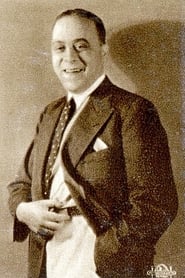
Paul Morgan
Actor
Born: 1886 in Vienna, Austria Died: December 10, 1938 Active: 1919-1938 Birth Name: Paul Morgenstern
Films
2 films

About Paul Morgan
Made significant contributions to German-language entertainment during the early 20th century. Born in Vienna, he began his career in the theater before transitioning to the burgeoning film industry during the silent era. Morgan was particularly known for his work in cabaret, where his sharp wit and satirical commentary on contemporary society made him a popular figure in Berlin's vibrant entertainment scene. As film evolved from silent to talkies, he successfully adapted his stage presence to the new medium, appearing in numerous German and Austrian productions throughout the 1920s and 1930s. His career was tragically cut short when the Nazi regime came to power, leading to his persecution as a Jewish artist. Morgan was eventually arrested and murdered at the Buchenwald concentration camp in 1938, becoming one of many cultural figures whose lives and careers were destroyed by the Holocaust. Despite his relatively brief film career, Morgan on European entertainment, particularly through his innovative work in cabaret and early cinema.
The Craft
On Screen
Known for his sharp comedic timing and satirical approach, Morgan's acting style was characterized by his ability to blend physical comedy with intelligent social commentary. His cabaret background influenced his film performances, bringing a theatrical precision and wit to his roles.
Milestones
- work in German cabaret scene
- Transition from silent films to talkies
- Co-founded the legendary cabaret 'Die Katakombe'
- Appeared in numerous German and Austrian films
- Became victim of Nazi persecution
Best Known For
Iconic Roles
Must-See Films
Accolades
Special Recognition
- Remembered as a victim of Nazi persecution
- Honored in Holocaust memorial documentation
Working Relationships
Worked Often With
Studios
Why They Matter
Impact on Culture
Paul Morgan played a significant role in shaping German cabaret culture during the Weimar Republic, using satire and comedy to comment on social and political issues. His work represented the intellectual and artistic freedom that characterized this period before being crushed by the Nazi regime. Morgan's tragic fate as a victim of the Holocaust symbolizes the destruction of European Jewish culture and the loss of countless artistic voices during this dark period.
Lasting Legacy
Morgan's legacy lives on through documentation of Weimar-era cabaret culture and Holocaust memorial projects. He is remembered as one of the many talented artists whose potential was never fully realized due to Nazi persecution. His contributions to early German cinema and cabaret continue to be studied by historians interested in this vibrant period of European cultural history.
Who They Inspired
Morgan influenced subsequent generations of cabaret performers and satirists, demonstrating how comedy could be used as a tool for social and political commentary. His work helped establish the template for political satire in German-speaking entertainment that continues to this day.
Off Screen
Paul Morgan was born Paul Morgenstern in Vienna and later moved to Berlin, where he became a central figure in the city's thriving cabaret culture. He was Jewish, which ultimately led to his persecution and death under the Nazi regime. Morgan was known for his sharp intellect and political satire, which made him both popular and controversial.
Did You Know?
- Born Paul Morgenstern but used Paul Morgan as his stage name
- Co-founded the famous Berlin cabaret 'Die Katakombe' in 1929
- Was known for his sharp political satire that often criticized the rising Nazi party
- His active years covered the transition from silent films to talkies
- Was arrested multiple times by the Nazis before being sent to Buchenwald
- Died in Buchenwald concentration camp on December 10, 1938
- His death certificate listed the cause as 'heart failure', a common Nazi euphemism for murder in concentration camps
- Morgan was part of a vibrant Jewish artistic community in Berlin that was largely destroyed by the Holocaust
- His cabaret work was considered some of the most politically daring of its time
- The story of his life and death has been documented in various Holocaust memorial projects
In Their Own Words
Satire was our weapon against the darkness gathering around us
In the cabaret, we could say what others only dared to think
Laughter was our resistance, and it cost us everything
Frequently Asked Questions
Who was Paul Morgan?
Austrian with credits in this catalog. He was particularly known for his work in Berlin's cabaret scene and his appearances in silent and early sound films before being persecuted by the Nazi regime.
What films is Paul Morgan best known for?
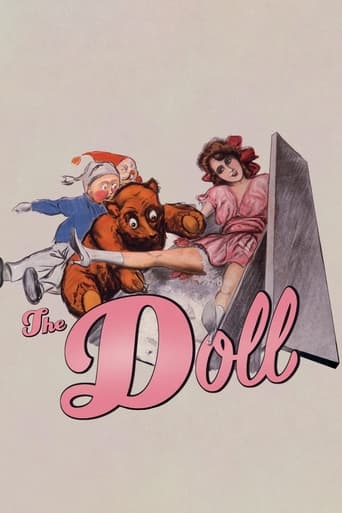
Titles linked here include The Doll (1919), Eerie Tales (1919).
When was Paul Morgan born and when did he die?
Born 1886; died December 10, 1938.
What awards did Paul Morgan win?
There are no recorded major awards or nominations for Paul Morgan during his lifetime. His legacy is primarily remembered through cultural and historical documentation rather than formal accolades.
What was Paul Morgan's acting style?
Morgan's acting style was characterized by sharp comedic timing, satirical wit, and a theatrical approach influenced by his cabaret background. He was known for using comedy as a form of social and political commentary.
How did Paul Morgan die?
Paul Morgan was murdered at the Buchenwald concentration camp on December 10, 1938, as a victim of Nazi persecution. He was targeted for being Jewish and for his anti-Nazi satirical work in cabaret.
What was Paul Morgan's contribution to cabaret?
Morgan co-founded the legendary Berlin cabaret 'Die Katakombe' in 1929 and was known for his politically daring satirical performances. He used cabaret as a platform to criticize the rising Nazi party and comment on social issues of his time.