Willy Prager
Actor
Born: October 26, 1876 in Berlin, Germany Died: 1934 Active: 1915-1925 Birth Name: Wilhelm Prager
Films
1 film
About Willy Prager
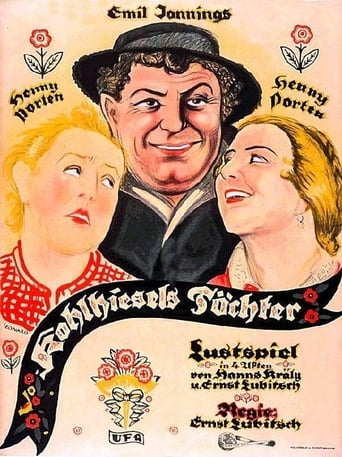
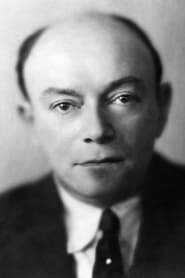
Willy Prager, born Wilhelm Prager, was a German character actor who worked during the silent film era of the early 20th century. His career, though relatively brief, coincided with the golden age of German cinema, particularly during the Weimar Republic period. Prager specialized in supporting roles, often bringing depth and character to smaller parts in ensemble casts. His most significant work came in 1920 with his appearance in Ernst Lubitsch's acclaimed comedy 'Kohlhiesel's Daughters,' which became successful German films of its era. The film's success helped establish Lubitsch's reputation before his move to Hollywood, and Prager's contribution to this important work represents his lasting legacy in cinema history. While his filmography was not extensive, his performances reflected the sophisticated acting style that characterized German silent cinema of the 1920s. Prager continued acting through the early 1920s before his career appears to have concluded as the industry transitioned to sound films.
The Craft
On Screen
Prager's acting style embodied the theatrical tradition of German silent cinema, characterized by expressive gestures and nuanced facial expressions that conveyed emotion without dialogue. His approach to character acting emphasized subtlety within the broader expressionist framework, allowing him to create memorable supporting roles. Like many German actors of his era, he brought a background in stage performance to his film work, resulting in performances that balanced theatricality with cinematic naturalism.
Milestones
- Breakthrough role in 'Kohlhiesel's Daughters' (1920)
- Collaboration with director Ernst Lubitsch
- Participation in German Expressionist cinema movement
- Character acting in Weimar Republic films
Best Known For
Iconic Roles
Must-See Films
Working Relationships
Worked Often With
Studios
Why They Matter
Impact on Culture
Willy Prager's contribution to cinema, while not widely recognized today, represents an important part of German silent film history. His work in 'Kohlhiesel's Daughters' placed him within. The film itself was an early example of the sophisticated comedy that would later become associated with the 'Lubitsch touch,' and Prager's performance contributed to this artistic achievement. His career exemplifies the journey of many character actors who were essential to the success of classic films but whose names have faded from popular memory over time.
Lasting Legacy
Willy Prager's legacy survives primarily through his participation in 'Kohlhiesel's Daughters,' a film that remains an important example of early German comedy and a key work in Ernst Lubitsch's filmography. While he may not be a household name today, his contribution to this significant film ensures his place in the history of German cinema. His career represents the thousands of character actors who formed the backbone of silent film productions, bringing depth and authenticity to stories that continue to be studied and appreciated by film historians and enthusiasts.
Who They Inspired
As a supporting actor rather than a star, Willy Prager's direct influence on subsequent generations of actors is difficult to trace. However, his work exemplifies the professional character acting tradition that was crucial to the success of German cinema during its golden age. The techniques he employed in creating believable supporting roles within the expressionist framework influenced how character parts would be approached in subsequent German films, even as the industry evolved with the advent of sound.
Off Screen
Willy Prager was born and raised in Berlin during the German Empire era, coming of age during a period of significant cultural and artistic transformation in Germany. Like many actors of his generation, he likely began his career in theater before transitioning to the emerging medium of film. His life spanned the tumultuous period from the German Empire through World War I, the Weimar Republic, and the early years of Nazi Germany. Details about his family life, marriages, or children remain scarce in historical records, which was not uncommon for supporting actors of the silent era who often lived private lives away from the spotlight.
Education
Likely received theatrical training in Berlin during the 1890s, though specific educational details are not documented in available sources.
Did You Know?
- Born Wilhelm Prager but used the stage name 'Willy' for his professional work
- Appeared in films during the peak of German Expressionism
- Worked with Ernst Lubitsch before the director's move to Hollywood
- His most famous film 'Kohlhiesel's Daughters' was remade multiple times
- The 1920 film he appeared in was one of the first German films to achieve major international success
- His career coincided with the golden age of Weimar cinema
- Like many German actors of his era, he likely had extensive stage experience before appearing in films
- His career ended around the time German cinema transitioned to sound films
- The film industry in Berlin during his active period was
- His death in 1934 occurred during the early years of Nazi control over German cinema
Frequently Asked Questions
Who was Willy Prager?
German character with credits in this catalog.' Born Wilhelm Prager in Berlin in 1876, he was part of the vibrant German cinema scene during the Weimar Republic period.
What films is Willy Prager best known for?
Titles linked here include Kohlhiesel's Daughters (1920).
When was Willy Prager born and when did he die?
Born October 26, 1876; died 1934.
What awards did Willy Prager win?
There are no documented awards or nominations for Willy Prager, which was not uncommon for supporting actors during the silent film era when formal award systems were still developing in the film industry.
What was Willy Prager's acting style?
Prager's acting style reflected the theatrical tradition of German silent cinema, characterized by expressive gestures and nuanced facial expressions. As a character actor, he brought depth to supporting roles within the broader expressionist framework that dominated German cinema of the 1920s.
Did Willy Prager work with any famous directors?
Yes, Willy Prager worked with Ernst Lubitsch on 'Kohlhiesel's Daughters' (1920), which was one of Lubitsch's last major German films before he moved to Hollywood. This collaboration represents Prager's most significant work with a renowned director.
Why is Willy Prager not well-known today?
Willy Prager is not widely remembered today because he was primarily a supporting character actor with a relatively brief career during the silent era. Many such actors, despite contributing significantly to important films, have faded from popular memory over time, especially as their films became less accessible to modern audiences.