Films
1 film
About Carl Clewing
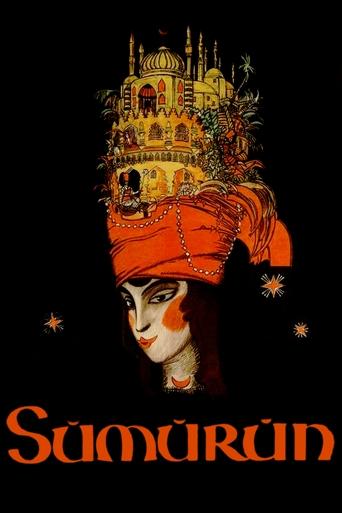
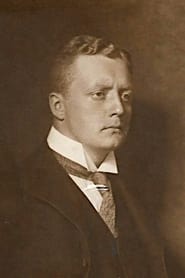
German actor who emerged during the golden age of German silent cinema in the early 1920s. His most notable and perhaps only surviving film credit is the 1920 Ernst Lubitsch production 'Sumurun,' a lavish oriental fantasy that showcased the height of German cinematic artistry. Clewing appeared in this film during a period when German cinema was experiencing unprecedented international recognition and artistic innovation. His participation in 'Sumurun' placed him alongside some of the era's most celebrated performers, including Pola Negri and Paul Wegener. The film was one of Lubitsch's last German productions before his move to Hollywood, making Clewing part of a significant transitional moment in film history. Unfortunately, like many actors from this period, detailed records of his broader career and personal life remain scarce, suggesting his film work may have been limited or that many records have been lost to time.
The Craft
Milestones
- Appeared in Ernst Lubitsch's 'Sumurun' (1920)
- Participated in German cinema's golden age
- Worked during the peak of German expressionist film movement
Best Known For
Iconic Roles
Must-See Films
Working Relationships
Worked Often With
Studios
Why They Matter
Impact on Culture
Carl Clewing's contribution to cinema, while limited in scope, represents the collaborative nature of German film production during its artistic peak in the early 1920s. His participation in 'Sumurun' places him within the context of Germany's cinematic golden age, when the country's film industry was producing some of the most innovative and influential works in world cinema. The film itself was significant as one of Lubitsch's elaborate costume productions that helped establish his international reputation before his move to Hollywood.
Lasting Legacy
Carl Clewing's legacy is primarily preserved through his appearance in 'Sumurun,' a film that has survived as an important example of early 1920s German cinema. While he may not have achieved the lasting fame of some of his contemporaries, his work contributes to our understanding of the ensemble nature of film production during this era. His story illustrates how many talented actors participated in creating cinematic masterpieces even if their individual names were not widely remembered by history.
Who They Inspired
As a supporting actor from the silent era, Carl Clewing's direct influence on subsequent generations of performers is difficult to trace. However, his work in 'Sumurun' contributes to the film's enduring value as a piece of cinematic history that continues to be studied by film historians and enthusiasts interested in German expressionism and early costume dramas.
Off Screen
Very little is known about Carl Clewing's personal life, which is not uncommon for supporting actors from the silent era who did not achieve major stardom. Like many performers of his time, detailed biographical information may have been lost due to the passage of time and the destruction of records during World War II. His brief filmography suggests he may have had a short career in cinema or perhaps focused primarily on stage work.
Did You Know?
- 'Sumurun' was also known as 'One Arabian Night' in some markets
- The film was one of director Ernst Lubitsch's final German productions before moving to Hollywood
- Lubitsch later remade the story in Hollywood as 'The Arabian Nights' (1942)
- The original 'Sumurun' film showcases the elaborate set designs and costumes characteristic of German productions of the era
- Carl Clewing's role appears to have been a supporting part, common for many actors who appeared in only a few films
- The film was based on a pantomime by Friedrich Freksa
- Pola Negri, the film's star, would also follow Lubitsch to Hollywood
- The film's survival makes it an important document of German cinema from this period
Frequently Asked Questions
Who was Carl Clewing?
German with credits in this catalog.' His career appears to have been brief, with this elaborate costume drama representing his primary surviving film credit.
What films is Carl Clewing best known for?
Titles linked here include Sumurun (1920).
When was Carl Clewing born and when did he die?
Specific birth and death dates for Carl Clewing are not available in historical records, which is not uncommon for supporting actors from the silent era. He was active in German cinema around 1920.
What awards did Carl Clewing win?
There are no recorded awards or nominations for Carl Clewing, which was typical for many supporting actors of the silent era who did not achieve major stardom.
What was Carl Clewing's acting style?
Details about Carl Clewing's specific acting style are not well-documented, as is common for many supporting actors from this period. His work in 'Sumurun' would have reflected the theatrical, expressive style typical of German silent film acting.
Did Carl Clewing work with other famous directors?
Carl Clewing's documented work is primarily with Ernst Lubitsch on 'Sumurun.' Lubitsch was one of Germany's most celebrated directors of the era, known for his sophisticated comedies and elaborate costume dramas.
Why is so little known about Carl Clewing?
Limited information about Carl Clewing is typical of many supporting actors from the silent era who did not achieve lasting fame. Records may have been lost over time, particularly during World War II, and his brief career span left less documentation than more prominent stars.