Ways to Strength and Beauty
Plot
Ways to Strength and Beauty is a hybrid documentary and propaganda film that presents the human body as an ideal to be disciplined, displayed, and celebrated through physical culture. Structured as a series of stylized episodes rather than a conventional narrative, it moves from everyday hygiene and exercise to organized gymnastics, sports, dance, and carefully staged tableaux of classical athletic bodies. The film links modern training methods with an idealized vision of antiquity, including scenes of nude or near-nude male figures posed as if they were sculptural embodiments of strength and health. Its larger argument is that bodily cultivation is not merely a personal pursuit but a social and moral one, promoting the aesthetic and ideological virtues of fitness, discipline, and collective movement.
About the Production
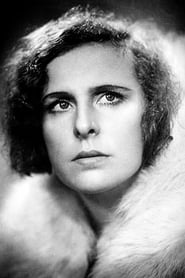
This film was produced in the mid-1920s as part of Germany's vibrant Weimar-era nonfiction and culture-film output, when physical education, sports spectacle, and hygienic reform were common screen subjects. It is notable for assembling a wide variety of visual modes: documentary observation, choreographed movement, classical tableau, and staged nude studies, all used to promote an ideal of the trained body. Leni Riefenstahl appears among the cast in an early screen role, long before her later directorial career, which makes the film especially significant in retrospective discussions of German film history. Exact budgetary information is not reliably documented in standard sources, and surviving production records are limited.
Historical Background
The film was made in 1925, during the Weimar Republic, a period marked by political instability, cultural experimentation, and intense debate over modernization, health, and national renewal. In Germany and across Europe, the 1920s saw a strong fascination with sports, gymnastics, sunbathing, nudism, and reform movements that promised to restore vitality after the devastation of World War I. The body became a symbolic site where ideas about youth, discipline, beauty, and collective identity could be projected, and cinema proved an ideal medium for visualizing those ideals. Ways to Strength and Beauty matters because it captures this moment when documentary form, aesthetic idealism, and bodily ideology converged in popular media.
Why This Film Matters
The film is culturally significant as a document of early twentieth-century body politics and as a cinematic artifact of the German physical-culture movement. It helped legitimize the body as a subject worthy of formal, artful representation rather than mere comic or medical display. Its stylized treatment of athletics, dance, and classical pose influenced later visual culture that linked fitness with beauty, discipline, and national or social renewal. The presence of figures like Leni Riefenstahl also gives it retrospective importance in tracing personnel and aesthetics that would later reappear in more politically charged contexts.
Making Of
Ways to Strength and Beauty was shaped by the Weimar Republic's fascination with modern physical culture, mass gymnastics, and the cinematic display of trained bodies. Rather than relying on a spoken or intertitle-heavy argument, the film uses visual arrangement, movement, and montage-like progression to create an almost ritualistic celebration of fitness. The inclusion of athletes, dancers, and posed figures suggests a production built around carefully arranged performance material rather than spontaneous reportage. The film's combination of documentary observation and staged classical imagery reflects the era's tendency to merge education, spectacle, and ideological messaging in one package.
Visual Style
The cinematography emphasizes bodies in motion and bodies as sculptural forms, often arranging figures in balanced compositions that recall classical statuary. Visual presentation likely relies on clean framing, controlled lighting, and rhythmic cutting between athletic action, dance, and tableau to create a sense of disciplined movement. The nude or semi-nude classical scenes are especially notable for their posed, museum-like quality, turning the human figure into a formal object of contemplation. Rather than emphasizing spontaneous realism, the film uses stylization to elevate physical exercise into an aesthetic and ideological spectacle.
Innovations
The film is notable for its early integration of documentary subjects with highly composed, quasi-classical staging. Its technical approach lies less in special effects than in its controlled visual rhetoric: carefully arranged movement, symbolic montage, and the framing of the body as a cinematic subject. The production demonstrates how silent-era nonfiction could be both instructional and highly aesthetic, anticipating later essay films and sports documentaries that use montage to create meaning beyond simple reportage. Its preservation and continued scholarly attention also make it technically significant as an example of surviving Weimar nonfiction form.
Music
As a silent film, Ways to Strength and Beauty would originally have been accompanied by live music in theaters, with the exact accompaniment varying by venue and screening. No single definitive original score is widely documented in standard references. Modern presentations may use reconstructed, archival, or newly commissioned accompaniments depending on the restoration or screening source.
Memorable Scenes
- Sequences of organized gymnastics and calisthenics that present movement as a collective, disciplined art.
- Stylized sports and athletic scenes that link modern physical training to public spectacle.
- Classical-looking tableaux of supposed athletes of antiquity posed nude as living sculpture.
- Transitions between hygiene/exercise imagery and dance performance that create a continuum between health, beauty, and art.
Did You Know?
- The film is often discussed as part of the German Körperkultur, or body-culture movement, which emphasized gymnastics, sunlight, fresh air, and athletic discipline.
- Leni Riefenstahl appears in the film as a performer, making it one of the earlier screen appearances associated with her career.
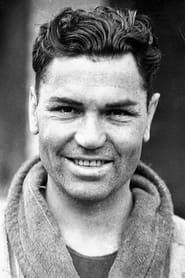
- Jack Dempsey's presence reflects the international celebrity appeal of boxing and sports stardom in the silent era.
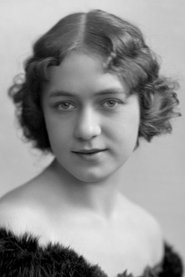
- Jenny Hasselqvist, known as a dancer, underscores the film's blending of athletic and choreographic ideals.
- The film has also been associated with the broader genre of Kulturfilm, a German term used for educational, instructional, and cultural documentary features.
- Its depictions of nude classical athletic forms were intended as aesthetic and educational rather than narrative shock, but they make the film historically important in discussions of early screen nudity and the politics of the body.
- The film survives in film history primarily through references, archival listings, and preserved materials rather than broad popular circulation.
- Because it is a nonfiction work with staged and symbolic sequences, it is often analyzed less as a factual documentary than as a curated visual essay on physical ideals.
- The movie is frequently cited in studies of how Weimar cinema linked modernity, health, and classical antiquity.
- It is an important precursor to later European sports films and body-centered documentary experimentation.
What Critics Said
Contemporary critical reaction is not uniformly documented in surviving mainstream English-language sources, but the film was generally situated within the respected German educational and cultural-film tradition rather than dismissed as trivial entertainment. At the time, such films were often appreciated for their visual polish, instructional value, and modern subject matter. Later critics have tended to view it more ambivalently, praising its formal elegance and historical value while also examining its ideological promotion of body idealization and its proximity to later authoritarian aesthetics. Today it is most often discussed in academic and archival contexts rather than through broad popular criticism.
What Audiences Thought
Audience reception is difficult to quantify because detailed box-office and survey data for 1920s German nonfiction films are scarce. The film likely appealed to viewers interested in sports, health, physical education, and modern visual spectacle, as well as audiences drawn to the novelty of seeing athletic performance and classical body imagery on screen. As a cultural film rather than a mainstream narrative feature, it would have been received more as an educational or prestige presentation than as a mass entertainment title. Its long-term audience today is primarily scholars, archivists, and classic-film enthusiasts.
Film Connections
Influenced By
- German physical culture and gymnastic reform movements
- Weimar-era Kulturfilm traditions
- Classical sculpture and Greco-Roman artistic ideals
- Early sports reportage and educational cinema
This Film Influenced
- Olympia (1938)
- Triumph of the Will (1935)
- Later European sports documentaries
- Body-culture and fitness films of the twentieth century
You Might Also Like
More Documentary Films
View allFilm Restoration
The film is extant and known through archival references and preserved materials, though availability to the public is limited and it is not widely circulated in commercial home-video form.