
Berlin: Symphony of a Great City
"A day in the city of Berlin."
Keys: Space play/pause · ←/→ 10s · F fullscreen · M mute · </> speed
About this film
A day in the city of Berlin, which experienced an industrial boom in the 1920s, and still provides an insight into the living and working conditions at that time. Germany had just recovered a little from the worst consequences of the First World War, the great economic crisis was still a few years away and Hitler was not yet an issue at the time.
Cast & crew
More films like this


More Documentary films
View all →




More from Walter Ruttmann
View all →
More about this film
About the production
Release dateSeptember 23, 1927
Box officeUnknown - limited theatrical release for art film
ProductionFox-Europa, Walter Ruttmann Filmproduktion
Filmed inBerlin, Germany
The film was shot over several months in 1926 using hidden cameras and special techniques to capture authentic street scenes without disrupting daily life. Ruttmann and his cinematographers Karl Freund and Robert Baberske used innovative techniques including camera mounts on trains and automobiles, time-lapse photography, and extreme angles. The production involved filming over 200,000 feet of footage that was meticulously edited down to the final 3,000 feet. The filmmakers had to obtain special permits to film in various locations and often disguised their cameras to capture natural reactions from Berliners.
Themes
Urban modernityThe machine ageThe rhythm of city lifeHuman interaction with technologyTime and daily cycles
Themes & topics
citydocumentarysilent filmBerlin1920surban lifeindustrialmodernexperimentalmontageday in the lifeWeimar Republicavant-gardesymphonyrhythm
Historical background
Production circa 1927 meant fixed cameras, intertitles or early sound rigs, and studio economies that shaped every scene in Berlin: Symphony of a Great City.
Why this film matters
Historians treat Berlin: Symphony of a Great City as evidence of what typical 1927 audiences could see in a program slot.
Making of
The production of Berlin: Symphony of a Great City was an ambitious undertaking that required innovative techniques and considerable planning. Director Walter Ruttmann, along with cinematographers Karl Freund and Robert Baberske, developed new methods to capture the essence of urban life. They mounted cameras on moving vehicles, including trains, automobiles, and even streetcars, to create dynamic tracking shots. The team often had to hide their cameras in bags or disguise them as ordinary objects to film people without their knowledge, ensuring authentic reactions. The editing process took nearly a year, with Ruttmann working tirelessly to create rhythmic patterns and visual harmonies from thousands of individual shots. The film's musical score by Edmund Meisel was composed to be performed live during screenings, with specific musical cues timed to match the visual rhythm. Ruttmann, who came from a background in painting and abstract animation, applied his artistic sensibility to create a visual symphony that transcended traditional documentary filmmaking.
What critics said
Modern retrospectives screen Berlin: Symphony of a Great City to illustrate 1927 pacing and camera norms.
Did you know?
- The film contains no intertitles or written narrative, relying purely on visual storytelling to convey its message.
- Walter Ruttmann was originally a painter and graphic artist before turning to film, which influenced his visual composition style.
- The film is divided into five acts corresponding to different times of day: morning, noon, afternoon, evening, and night.
- Many scenes were filmed using hidden cameras to capture authentic reactions from unsuspecting Berliners.
- The original musical score was composed by Edmund Meisel and was performed live during screenings, synchronized with specific visual cues.
- The film was initially banned in several countries including the United States due to concerns about its modernist, experimental nature.
- Ruttmann and his team shot over 200,000 feet of footage, which was edited down to approximately 3,000 feet for the final cut.
- The film influenced the city symphony genre, inspiring similar works about cities like New York, Moscow, and Rio de Janeiro.
- Some scenes were filmed using special techniques like time-lapse photography to show the passage of time more dramatically.
- The film's structure was inspired by musical symphonies, with visual themes repeating and developing throughout the piece.
Awards & recognition
- Named one of the greatest films of all time by Sight & Sound magazine polls
- Voted #1 documentary film in the 2014 Sight & Sound critics' poll
Visual style
The cinematography in Berlin: Symphony of a Great City was groundbreaking for its time, employing innovative techniques that would influence filmmaking for decades. Cinematographers Karl Freund and Robert Baberske used a variety of experimental methods to capture the city from unique perspectives, including mounting cameras on moving vehicles to create dynamic tracking shots. They employed extreme angles, both high and low, to emphasize the scale and complexity of urban architecture. The use of time-lapse photography created mesmerizing sequences showing clouds racing across the sky and shadows moving across buildings. The camera work often emphasized geometric patterns and rhythmic movements, treating the city as a visual symphony. The cinematography captured both the grand scale of the metropolis and intimate moments of daily life, creating a comprehensive portrait of urban existence. The technical innovations included special lenses and filters to achieve specific visual effects, and careful attention to lighting throughout the day to maintain visual consistency. The resulting footage has a timeless quality that continues to impress viewers with its technical sophistication and artistic vision.
Innovations
Berlin: Symphony of a Great City pioneered numerous technical innovations that would become standard in filmmaking. The film's most significant achievement was its sophisticated use of montage editing, creating rhythmic patterns and visual metaphors through the juxtaposition of images. Ruttmann developed new editing techniques to create a sense of musical rhythm using purely visual elements. The production team invented special camera mounts and dollies to achieve smooth tracking shots, including mounting cameras on trains, automobiles, and even elevators. They employed time-lapse photography to compress time and show the passage of day and night. The film's use of multiple perspectives and rapid cutting was revolutionary, creating a dynamic visual language that influenced countless subsequent films. The technical team also developed methods for filming in various lighting conditions throughout the day, maintaining visual consistency while capturing natural light. The film's complex structure, which mirrored classical musical forms, demonstrated how cinematic techniques could create sophisticated artistic compositions comparable to other art forms.
Music
The original score for Berlin: Symphony of a Great City was composed by Edmund Meisel specifically to be performed live during screenings, creating a multimedia experience that synchronized music with the visual rhythms of the film. Meisel's composition was highly innovative for its time, using percussive elements and dynamic changes to mirror the pace of urban life depicted on screen. The score was structured to follow the film's five acts, with different musical themes for morning, noon, afternoon, evening, and night. Meisel used a combination of traditional orchestral instruments and more experimental sounds to create a modernist soundscape that complemented Ruttmann's visual innovations. Unfortunately, the complete original score has been lost, though fragments and descriptions survive. Modern screenings often feature newly composed scores by contemporary composers who attempt to recreate the spirit of Meisel's original work. The soundtrack's importance to the film's impact cannot be overstated, as it provided the 'symphonic' element that gave the film its name and enhanced its emotional and rhythmic power.
Famous quotes
A film without actors. A film without a plot. A film that shows life itself." - Original promotional tagline
The city is a living organism, breathing, moving, pulsing with life." - Walter Ruttmann in a 1927 interview
We wanted to make visible the invisible rhythm of the city." - Walter Ruttmann
The camera is our instrument, the city our orchestra, and time our conductor." - Walter Ruttmann
Memorable scenes
- The opening sequence showing empty streets at dawn gradually coming to life as the city awakens
- The mesmerizing montage of factory machines working in rhythmic harmony
- The time-lapse sequence of clouds racing over Berlin's rooftops
- The dynamic tracking shots from moving streetcars capturing the flow of urban traffic
- The evening sequences showing Berlin's vibrant nightlife and entertainment districts
- The closing scenes as the city gradually returns to darkness and silence
- The famous montage of typewriters, telephones, and office machines creating a mechanical symphony
- The sequence showing various modes of transportation converging and diverging throughout the day
What audiences thought
Initial audience reactions to Berlin: Symphony of a Great City were mixed but generally positive, with many viewers fascinated by its innovative approach to filmmaking. German audiences in 1927 were particularly impressed by how the film captured their daily lives with artistic flair and technical sophistication. Some viewers found the rapid montage style disorienting at first, but many came to appreciate its rhythmic beauty and emotional power. The film developed a cult following among intellectuals and artists, who recognized its significance as both art and social document. In subsequent decades, as the film gained recognition as a classic, audience appreciation grew significantly. Modern viewers often express awe at the film's technical achievements and its ability to transport them to a lost world. The film continues to be screened at film festivals and cinematheques, where contemporary audiences respond enthusiastically to its timeless vision of urban life and its pioneering cinematic techniques.
Film connections
Influenced by
- Ballet Mécanique (1924) by Fernand Léger
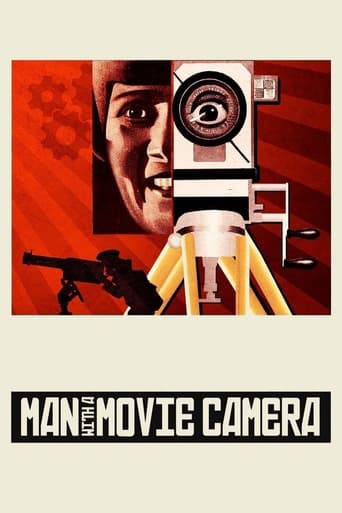
- Man with a Movie Camera (1929) by Dziga Vertov
- The Cabinet of Dr. Caligari (1920) for German Expressionist influence
- Abstract films of Viking Eggeling
- Paintings of the New Objectivity movement
This film influenced
- Man with a Movie Camera (1929)
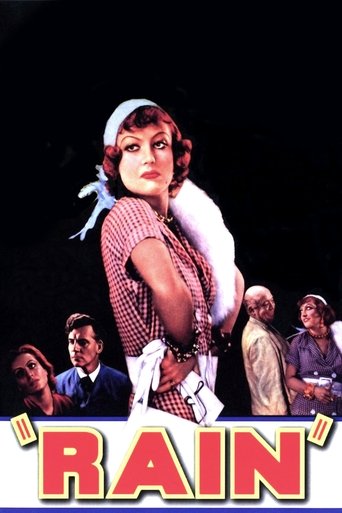
- Rain (1929) by Joris Ivens
- Manhatta (1921)
- A Bronx Morning (1931)
- The City (1939)
- Koyaanisqatsi (1982)
- Baraka (1992)
- Powaqqatsi (1988)
- Samsara (2011)
- Time-lapse sequences in modern documentaries
Film restoration
The film has been well-preserved and restored by several film archives including the Bundesarchiv-Filmarchiv in Germany and the Museum of Modern Art in New York. A comprehensive restoration was completed in 2007 for the film's 80th anniversary, using the best surviving elements from various archives. The restored version has been screened at film festivals worldwide and released on DVD and Blu-ray. The original camera negative is believed to be lost, but high-quality preservation copies exist in multiple archives. The film was selected for preservation in the United States National Film Registry by the Library of Congress in 2020, recognizing its cultural, historical, and aesthetic significance. Various versions with different musical scores exist, but the visual content remains consistent across all preserved copies.
Where to watch
- The Criterion Collection (Blu-ray/DVD)
- Mubi (streaming service)
- Kanopy (free with library card)
- The Museum of Modern Art's film collection
- Bundesarchiv-Filmarchiv (Germany)
- Various film festival retrospectives
- YouTube (official uploads from archives)
- Fandor (streaming service)
- The Criterion Channel
- Educational film collections and university libraries