
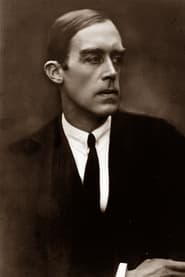
Walter Ruttmann
Director
Born: December 28, 1887 in Frankfurt am Main, Germany Died: July 15, 1941 Active: 1921-1941
Films
5 films
About Walter Ruttmann
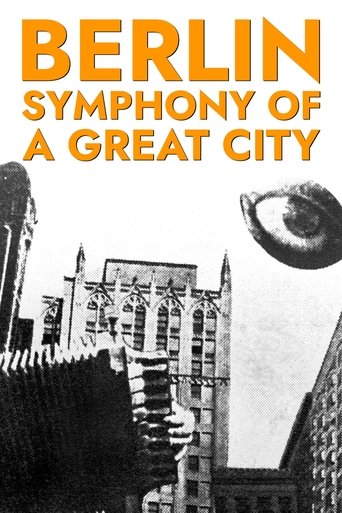
German filmmaker and a central figure in the avant-garde cinema movement of the 1920s. Born in Frankfurt in 1887, he initially studied architecture and worked as a graphic designer and painter before discovering his passion for cinema. Ruttmann revolutionized film language with his abstract 'Opus' series (1921-1925), which were among the world's first completely abstract animated films, using colored shapes and forms to create visual music. His masterpiece 'Berlin: Symphony of a Great City' (1927) established the 'city symphony' genre, depicting urban life through a day-long journey without narrative or intertitles, instead using rhythmic montage to create a visual poem of modernity. Throughout the Weimar period, Ruttmann continued to innovate, working on both experimental films and conventional features while collaborating with other prominent filmmakers of the German Expressionist movement. His later career during the Nazi era remains controversial, as he created propaganda films while maintaining his technical innovation. Ruttmann died in Berlin in 1941 during World War II, leaving behind a legacy that influenced generations of documentary and experimental filmmakers worldwide.
The Craft
Behind the Camera
Walter Ruttmann's directing style was characterized by rhythmic editing, visual poetry, and innovative use of montage techniques. He approached cinema as a visual symphony, using rapid cuts, dynamic camera movements, and abstract imagery to create emotional and aesthetic impact. Ruttmann excelled in visual rhythm, often editing to musical structures and creating what he called 'visual music.' His films emphasized the pure visual elements of cinema, often rejecting traditional narrative structures in favor of impressionistic and abstract representations. Ruttmann pioneered techniques such as time-lapse photography, superimposition, and rapid montage to convey the dynamism of modern urban life and abstract concepts.
Milestones
- Created the first abstract animated films with the Opus series (1921-1925)
- Directed the groundbreaking documentary 'Berlin: Symphony of a Great City' (1927)
- Pioneered the city symphony genre in documentary filmmaking
- Developed innovative montage and editing techniques
- Contributed to German Expressionist cinema movement
- Worked at UFA (Universum Film AG) during its golden age
- Influenced the development of documentary cinema worldwide
Best Known For
Must-See Films
Accolades
Won
- Recognized as a pioneer of abstract cinema
- Honored at numerous avant-garde film festivals posthumously
Nominated
- Retrospective recognition at major film festivals including Berlin International Film Festival
Special Recognition
- Considered
- His films preserved in archives of the Museum of Modern Art and other major institutions
Working Relationships
Worked Often With
Studios
Why They Matter
Impact on Culture
Walter Ruttmann fundamentally changed the language of cinema by proving that film could exist without traditional narrative structures. His 'Opus' series established abstract animation as a legitimate art form, predating and influencing later experimental animators like Oskar Fischinger and Norman McLaren. 'Berlin: Symphony of a Great City' created an entirely new genre of documentary filmmaking that influenced countless city films, from Dziga Vertov's 'Man with a Movie Camera' to contemporary urban documentaries. Ruttmann's innovative editing techniques and rhythmic montage became essential tools in cinematic language, adopted by both documentary and fiction filmmakers. His work during the Weimar period represents one of the highest achievements of German Expressionist cinema, demonstrating how film could capture the rhythm and chaos of modern urban life.
Lasting Legacy
Walter Ruttmann's legacy endures through his profound influence on both experimental and documentary cinema. His films continue to be studied in film schools worldwide as examples of cinematic innovation and artistic achievement. Ruttmann's techniques of rhythmic editing and visual montage have become standard tools in filmmaking, from Hollywood editing rooms to avant-garde cinema. The 'city symphony' genre he pioneered remains relevant, with contemporary filmmakers still drawing inspiration from his approach to urban documentation. His abstract films are recognized as foundational works of visual music and have influenced everything from music videos to digital art installations. Despite the controversy surrounding his later work in Nazi Germany, Ruttmann's contributions to cinematic art during the 1920s have secured his place as.
Who They Inspired
Ruttmann's influence extends across multiple generations and genres of filmmaking. His abstract animation techniques directly influenced Oskar Fischinger and the development of visual music as an art form. His documentary innovations inspired filmmakers like Dziga Vertov, Joris Ivens, and the British Documentary Film Movement. In fiction cinema, his editing techniques influenced Soviet montage theory and French Impressionist cinema. Contemporary directors from Godard to Herzog have acknowledged their debt to Ruttmann's approach to visual storytelling. His work also influenced advertising and music video production, where rapid montage and rhythmic editing are standard techniques. Ruttmann's philosophy of 'film as visual music' continues to resonate in digital and multimedia art forms.
Off Screen
Walter Ruttmann was married to Erna Niemeyer, a fellow artist and designer, though their marriage ended in divorce. He had no known children. Ruttmann served in the German army during World War I, an experience that profoundly influenced his artistic vision. His personal life was closely intertwined with the vibrant artistic community of Weimar Germany, where he collaborated with numerous avant-garde artists and filmmakers. Ruttmann's later years were marked by the political upheaval of Nazi Germany, and he died in Berlin during World War II.
Education
Studied architecture at various technical universities, also trained as a graphic designer and painter before entering film
Family
- Erna Niemeyer (1920s-1930s)
Did You Know?
- Ruttmann was originally trained as an architect and painter before turning to film
- His 'Opus' films were hand-painted on celluloid and synchronized with music
- He served as a pilot in World War I, which influenced his interest in aerial photography
- 'Berlin: Symphony of a Great City' was shot over one year and contains no intertitles
- Ruttmann worked with a team of cinematographers to capture different aspects of Berlin simultaneously
- His film 'Weekend' (1930) was an early sound film using only sound effects and no dialogue
- He collaborated with Bertolt Brecht on early film projects
- Ruttmann's techniques influenced the development of music videos decades later
- His films were banned by the Nazis initially but later he was coaxed into making propaganda films
- The Museum of Modern Art in New York has preserved several of Ruttmann's films in their collection
In Their Own Words
Film is the art of the twentieth century. It is the only art that can capture the rhythm of modern life.
I want to make visible the invisible rhythms of the world around us.
The camera should be like a musical instrument, creating visual symphonies
In the city, every moment contains a thousand stories - we must only learn to see them
Abstract film is the purest form of cinema, freed from the constraints of reality
Frequently Asked Questions
Who was Walter Ruttmann?
German filmmaker of the silent era, best known for his experimental abstract films and the groundbreaking documentary 'Berlin: Symphony of a Great City.' He was a central figure in the avant-garde cinema movement of the 1920s and a major innovator in film editing and montage techniques.
What films is Walter Ruttmann best known for?
Titles linked here include Berlin: Symphony of a Great City (1927), Lichtspiel: Opus I (1921).
When was Walter Ruttmann born and when did he die?
Born December 28, 1887; died July 15, 1941.
What awards did Walter Ruttmann win?
While Ruttmann did not receive major contemporary awards during his lifetime, he is now recognized as. His works have been honored posthumously at numerous film festivals and are preserved in major film archives worldwide.
What was Walter Ruttmann's directing style?
Ruttmann's directing style was characterized by rhythmic editing, visual poetry, and innovative montage techniques. He approached film as 'visual music,' using rapid cuts, abstract imagery, and dynamic camera movements to create emotional and aesthetic impact. His style emphasized pure visual elements over traditional narrative structures.