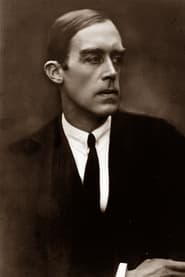

Opus IV
"An abstract animation by Walter Ruttmann"
Keys: Space play/pause · ←/→ 10s · F fullscreen · M mute · </> speed
About this film
An abstract animation by Walter Ruttmann.
Cast & crew
More films like this
More Animation films
View all →



More from Walter Ruttmann
View all →
More about this film
About the production
Release date1925
Box officeNot commercially released for general exhibition - primarily shown in avant-garde venues and art circles
ProductionNone - independently produced by Walter Ruttmann
Filmed inBerlin, Germany
Ruttmann created the animation using a painstaking process of painting directly on film strips and using multiple exposure techniques. Each frame was hand-crafted using templates and stencils to create precise geometric shapes. The film was synchronized to a musical score composed specifically for the piece, though the exact composer is debated in film scholarship. Ruttmann worked with a small team of assistants in his Berlin studio, often spending weeks perfecting short sequences of the animation. The color effects were achieved through tinting and toning processes, with some sequences possibly using early hand-coloring techniques.
Themes
Visual MusicAbstract ArtRhythm and MovementColor TheoryMathematical Harmony
Themes & topics
Historical background
Released in 1925 during the late silent period, Opus IV reached audiences when exhibitors were still defining programming conventions. The narrative hook—An abstract animation by Walter Ruttmann—reflects what contemporary producers thought would draw viewers.
Why this film matters
Opus IV remains discussed by archivists tracing how screen stories of its period represented work, desire, conflict, and social order. Its central situation—An abstract animation by Walter Ruttmann—still prompts questions about genre conventions and audience expectations.
Making of
Walter Ruttmann created Opus IV during a period of intense artistic experimentation in Weimar Germany. Working from his Berlin studio, Ruttmann developed innovative techniques to achieve his abstract visions. He would paint directly onto clear filmstrips using oil paints and inks, creating geometric patterns that would animate when projected. The process was incredibly labor-intensive, with Ruttmann often working frame by frame to ensure smooth transitions between shapes. The color effects were achieved through various methods including tinting the entire film strip and hand-coloring specific elements. Ruttmann collaborated closely with musicians to create a score that would complement the visual rhythms, though the exact synchronization methods remain a subject of scholarly debate. The film was primarily screened in avant-garde film clubs and art exhibitions, rather than commercial theaters, reflecting its experimental nature.
What critics said
Trade and newspaper notices for Opus IV generally emphasized casting, spectacle, and program fit rather than extended aesthetic argument. Retrospective screenings and archival notes continue to shape how viewers evaluate Opus IV today.
Did you know?
- Opus IV is part of a series of four abstract films created by Ruttmann between 1921-1925, collectively known as Lichtspiel Opus
- The film is considered one of the earliest examples of abstract animation in cinema history
- Ruttmann was originally a painter and musician before turning to filmmaking, which influenced his approach to visual music
- The geometric shapes in the film were created using a technique Ruttmann developed called 'Wachsplatte' (wax plate animation)
- Unlike later abstract animators, Ruttmann worked without optical printers, creating all effects in-camera
- The film was often screened with live musical accompaniment, as synchronization technology was limited in 1925
- Ruttmann's work influenced later abstract filmmakers including Oskar Fischinger and Norman McLaren
- The original negative of Opus IV is believed to be lost, existing only in preservation copies
- Ruttmann considered his Opus films as 'painted music' rather than traditional animation
- The film was part of the absolute film movement, which sought to create cinema free from narrative and representation
Visual style
The cinematography of Opus IV is revolutionary for its time, featuring abstract geometric shapes that move and transform in rhythmic patterns across the screen. Ruttmann employed innovative techniques including multiple exposures, in-camera effects, and hand-painted animation to create his visual compositions. The film uses a limited but effective color palette, with shapes rendered in primary colors that contrast against dark backgrounds. The movement of the forms follows mathematical and musical principles, creating a sense of visual harmony and rhythm. Ruttmann's approach to cinematography emphasized the dynamic interplay between form, color, and movement, creating a visual experience that transcends traditional representational imagery. The camera work itself is relatively static, with all movement occurring within the frame through the animation of the geometric elements, creating a focused meditation on abstract form and color.
Innovations
Opus IV represents several significant technical achievements in early animation and experimental cinema. Ruttmann developed innovative techniques for creating abstract animation without the benefit of modern optical printers or digital tools. His method of painting directly on film strips allowed for precise control over the abstract imagery, while his use of multiple exposure techniques enabled complex layering of visual elements. The film's color effects were achieved through early tinting and toning processes, demonstrating sophisticated understanding of color theory in cinema. Ruttmann's synchronization of visual rhythms with musical elements, while primitive by modern standards, was groundbreaking for its time and laid groundwork for future developments in audiovisual art. The film also demonstrated the potential of cinema as a medium for abstract art, expanding the technical and artistic possibilities of what film could achieve beyond narrative storytelling.
Music
The original musical score for Opus IV was composed specifically to accompany the abstract visuals, though the exact composer and details of the score remain subjects of scholarly debate. The music was designed to synchronize with the visual rhythms and movements, creating a unified audiovisual experience. Given the period and Ruttmann's artistic circle, the score likely incorporated elements of contemporary classical music, possibly with influences from atonal or experimental composition techniques that were popular in avant-garde circles of 1920s Germany. During screenings, the music was typically performed live by small ensembles or played on phonograph records, as synchronized sound technology was not yet available for films. The score emphasized rhythm and melody that complemented the geometric movements, creating what Ruttmann termed 'visual music.' Unfortunately, the original score has not survived intact, and modern screenings often use contemporary classical or experimental music that captures the spirit of the original accompaniment.
Famous quotes
Cinema should be music, not literature.
I paint with light and rhythm.
Abstract film is the visual equivalent of absolute music.
The future of cinema lies in movement, color, and rhythm.
Memorable scenes
- The opening sequence where colored circles emerge from darkness and begin their rhythmic dance
- The climactic moment where multiple geometric shapes converge in a burst of color and movement
- The transition sequence where rectangles transform into triangles through fluid morphing
- The finale where all elements combine in a complex visual symphony before fading to black
What audiences thought
Initial audience reception to Opus IV was limited due to its experimental nature and specialized exhibition venues. The film was primarily shown to avant-garde audiences in film clubs, art galleries, and experimental cinema gatherings, where it generally elicited curiosity and admiration from viewers familiar with modernist art. General audiences, when exposed to the work, often found it confusing or strange, as it challenged conventional expectations of what cinema should be. The lack of narrative content and the abstract nature of the imagery made it difficult for mainstream viewers to engage with the film on its own terms. Over the decades, as audiences became more familiar with abstract and experimental art forms, appreciation for Opus IV has grown, particularly among film enthusiasts, art students, and fans of animation history. Today, the film is valued by specialized audiences for its historical importance and its pure aesthetic qualities.
Film connections
Influenced by
- Wassily Kandinsky's abstract paintings
- Arnold Schoenberg's atonal music
- Bauhaus design principles
- Viking Eggeling's abstract films
- Hans Richter's rhythm films
This film influenced
- Oskar Fischinger's abstract animations
- Norman McLaren's experimental films
- Len Lye's direct animation
- Harry Smith's early abstract films
- Jordan Belson's visual music films
Film restoration
The original camera negative of Opus IV is believed to be lost. The film survives through preservation copies held by various film archives, including the Bundesarchiv-Filmarchiv in Germany and the Cinematheque Francaise. Several restoration projects have been undertaken to preserve and digitize existing copies, though variations exist between different versions due to the degradation of source materials. The color elements have suffered particularly from age, with some versions appearing more faded than others. Despite these challenges, the film remains accessible through specialized screenings and digital releases, ensuring that Ruttmann's pioneering work continues to be studied and appreciated.
Where to watch
- Museum of Modern Art (MoMA) film collection screenings
- Anthology Film Archives screenings
- British Film Institute (BFI) Player streaming service
- Flicker Alley DVD collection 'Unseen Cinema'
- Kino Lorber Blu-ray collection 'Avant-Garde Cinema'
- European Film Gateway streaming platform
- Academic film libraries and archives
- Specialized film festival retrospectives