
Paul von Hindenburg
Actor
Born: October 2, 1847 in Posen, Kingdom of Prussia (now Poznań, Poland) Died: August 2, 1934 Active: 1866-1934 (military and political career) Birth Name: Paul Ludwig Hans Anton von Beneckendorff und von Hindenburg
Films
1 film
About Paul von Hindenburg
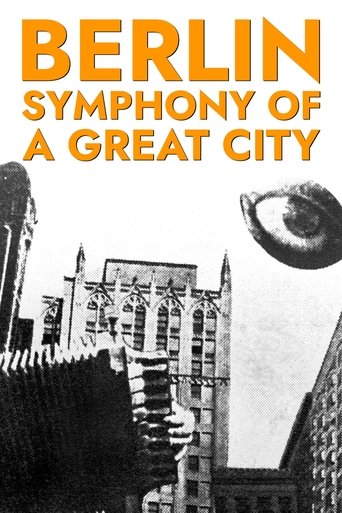
Paul von Hindenburg was not actually an actor but rather one of Germany's most significant military and political figures of the late 19th and early 20th centuries. Born into a Prussian aristocratic family, he began his military career in 1866 and rose through the ranks to become a field marshal during World War I, achieving national fame for his victories at Tannenberg and the Masurian Lakes. After the war, he retired from military service but was called back into public life, being elected President of the Weimar Republic in 1925. His presidency was marked by political instability and economic crises, culminating in his appointment of Adolf Hitler as Chancellor in January 1933. Hindenburg died in office in August 1934, allowing Hitler to consolidate absolute power by merging the offices of Chancellor and President. Any appearance in 'Berlin: Symphony of a Great City' (1927) would have been archival footage of him in his official capacity as President, not an acting performance.
The Craft
Milestones
- Victory at Battle of Tannenberg (1914)
- Chief of the German General Staff (1916-1919)
- Elected President of Germany (1925)
- Appointed Adolf Hitler as Chancellor (1933)
Best Known For
Iconic Roles
Must-See Films
Accolades
Won
- Pour le Mérite (1914)
- Iron Cross (1914)
- Grand Cross of the Iron Cross (1918)
Special Recognition
- Numerous German military decorations
- Honorary citizenship of multiple German cities
Why They Matter
Impact on Culture
Paul von Hindenburg's image and presence in German media during the Weimar period made him a recognizable figure in documentary films and newsreels of the era. His appearance in 'Berlin: Symphony of a Great City' represents the practice of incorporating contemporary political figures into cinematic works to provide historical context. The use of his image in film helped cement his status as a symbol of German authority and tradition during a period of tremendous social and political upheaval.
Lasting Legacy
Hindenburg's legacy is complex and controversial. While celebrated as a war hero during his lifetime, his presidency is remembered for enabling Hitler's rise to power. His decision to appoint Hitler as Chancellor in 1933 effectively ended German democracy and led to the Nazi dictatorship. Historians debate whether he was a willing collaborator with the Nazis or a manipulated figure whose traditional values and declining health made him vulnerable to political exploitation. His death removed the last constitutional barrier to Hitler's absolute power.
Who They Inspired
As a historical figure rather than a film personality, Hindenburg's influence on cinema is primarily through his portrayal in documentaries and historical films. His image and the events surrounding his presidency have been depicted in numerous films about the Nazi era, making him a recurring character in historical cinema. His story serves as a cautionary tale about democratic institutions and the dangers of political compromise with extremist movements.
Off Screen
Hindenburg came from a prominent Prussian military family and married Gertrud von Sperling in 1879. They had three children: Irmengard, Annemarie, and Oskar. His wife died in 1921, and he lived as a widower during his presidency. His son Oskar also pursued a military career and later became involved in Nazi politics.
Education
Prussian Military Academy (War School)
Family
- Gertrud von Sperling (1879-1921)
Did You Know?
- Despite being listed as an 'actor' in some film databases, Hindenburg never performed as an actor - his film appearances were always archival footage
- He was 80 years old when elected President of Germany in 1925, making him one of the oldest heads of state in European history
- The famous Hindenburg airship was named in his honor
- His funeral was one of the largest state ceremonies in German history
- Hitler used Hindenburg's death to merge the offices of President and Chancellor
- The Tannenberg Memorial, built to honor his WWI victory, was demolished by the Poles in 1945
- His diaries and papers were deliberately destroyed by his son Oskar in 1945
- He was initially reluctant to run for President but was persuaded by nationalist groups
In Their Own Words
I have not sought this responsibility, but I accept it as my duty to the German people
presidential acceptance)
The fate of the German people is in the hands of God
frequently expressed sentiment)
I have served my country in war and peace, and now I entrust its future to the German people
],
controversies
The greatest controversy surrounding Hindenburg remains his role in Hitler's appointment as Chancellor in January 1933. Critics argue that his decision, influenced by conservative advisors who believed they could control Hitler, directly led to the destruction of German democracy. His use of emergency decrees under Article 48 of the Weimar Constitution also weakened democratic institutions. Additionally, his son Oskar's close relationship with Nazi officials and business dealings during the Nazi period have been subjects of historical scrutiny.
externalLinks
faq