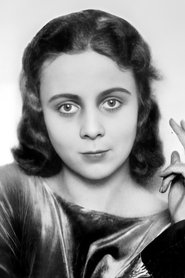
Niddy Impekoven
Actor
- Active
- 1925-1925
Films 1
About Niddy Impekoven
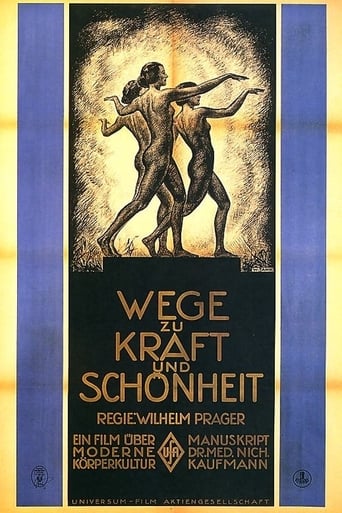
Niddy Impekoven was a German dancer, performer, and screen personality best remembered today for her appearance in the silent-era film Ways to Strength and Beauty (1925), a production associated with the visual and physical-culture trends of Weimar-era cinema. She was not a conventional screen actress with a long feature-film career, but rather a celebrated stage and performance figure whose expressive movement and athleticism made her suited to film work that emphasized bodily grace, health, and modernity. Her name is closely associated with the era’s fascination with dance, fitness, and the liberated female body, themes that were highly visible in German popular culture during the 1920s. Because her filmography appears to be extremely limited, much of her historical importance comes from her broader performance reputation rather than from an extensive body of screen roles. Surviving reference sources on her are sparse, which is common for many performers who worked briefly in silent cinema or whose principal careers were on stage. Even so, her inclusion in Ways to Strength and Beauty places her among the notable performers connected to one of the era’s most culturally revealing non-narrative films. She remains a minor but intriguing figure in classic cinema history, especially in discussions of Weimar physical culture and the crossover between dance and film.
More about Niddy Impekoven
On screen
Her screen presence would have been shaped less by spoken dialogue and more by physical expressiveness, poise, and dance-based movement. Performers like Impekoven were typically valued in silent cinema for their ability to communicate through gesture, posture, and rhythmic motion, especially in films centered on health, movement, or modern bodily ideals. Her style is best understood as performance-driven rather than character-driven, with an emphasis on visual grace and bodily discipline.
In film history
Niddy Impekoven's cultural importance lies in what her screen appearance represents rather than in a large film career: the connection between dance, athletic display, and silent-era cinema. Ways to Strength and Beauty was part of a broader Weimar fascination with the disciplined, healthy, modern body, and performers like Impekoven helped embody that ideal for the screen. Her presence in this context places her within an important moment in European film history when cinema was documenting not only stories but also social ideals, physical training, and new forms of self-presentation. For contemporary viewers and historians, she serves as a reminder that classic cinema included many specialized performers whose contributions were visual and cultural rather than star-based in the Hollywood sense.
Later reputation
Impekoven's legacy is modest in terms of star recognition but meaningful in the history of silent German cinema and screen dance. She is part of the network of performers whose work helped define the aesthetic of non-narrative and semi-documentary film in the 1920s, especially films concerned with the body, movement, and modern life. Her surviving film association gives researchers a valuable point of reference for studying how dancers and performers were used in early cinema to symbolize vitality, discipline, and contemporary youth culture. Although she did not leave behind a long-known filmography, her historical footprint remains useful for understanding the broader ecosystem of Weimar screen culture.
Influence
Her influence is best understood indirectly: she exemplifies how dance and performance artists influenced silent film aesthetics through movement, gesture, and visual rhythm. Performers like Impekoven helped establish a tradition in which athletic and choreographic display could function as cinema in its own right, shaping how later filmmakers approached dance sequences, health-themed films, and physical spectacle. While there is no strong evidence of direct mentorship or a documented line of protégés, her work belongs to a performance tradition that influenced later film-musical and dance-film practices.
Off screen
Reliable biographical information about Niddy Impekoven's private life is limited in widely available film-reference sources. She is primarily documented through performance and historical references rather than through detailed celebrity profiles, so information about marriages, family, or later life is not readily confirmed from standard classic-cinema databases. As a result, her personal life remains largely obscure to modern researchers unless supplemented by specialized German theater or dance archives.
Credits
- Appeared in the silent German film Ways to Strength and Beauty (1925)
- Became associated with Weimar-era performance culture emphasizing dance, fitness, and physical expression
- Represents the group of stage and dance performers who crossed into silent film for specialized screen appearances
Roles
- Performer in Ways to Strength and Beauty
Films
- Ways to Strength and Beauty (1925)
Notes
- She is most closely linked today to just one known film credit: Ways to Strength and Beauty (1925).
- Her name often appears in references to Weimar-era physical culture and dance cinema rather than to conventional narrative acting.
- She appears to have been a performer whose primary fame may have come from stage or dance work outside the surviving film record.
- Because documentation is scarce, many standard biographical details such as birth and death data are not firmly established in mainstream film references.
- Her screen association reflects the 1920s fascination with healthy bodies, movement, and modern femininity in German culture.
- She is an example of a silent-era personality whose historical importance is tied to a specialized film genre rather than to star stardom.
- Her work helps illustrate how early cinema often recruited dancers and physical performers for visually expressive productions.
Questions
Who was Niddy Impekoven?
Niddy Impekoven was a German dancer and screen performer associated with silent-era cinema, best known for appearing in Ways to Strength and Beauty (1925). She is remembered more as a performance figure connected to Weimar-era physical culture than as a full-time film star.
What films is Niddy Impekoven best known for?
She is best known for Ways to Strength and Beauty (1925), which appears to be her principal surviving film credit. Her known screen work is extremely limited, so this film is the key title associated with her name.
When was Niddy Impekoven born and when did she die?
Her birth date and death date are not reliably established in the standard classic-cinema sources available here. She appears in historical records primarily through her performance work rather than through a detailed biographical trail.
What awards did Niddy Impekoven win?
No major awards or formal nominations are currently documented in accessible film-reference sources. Her importance is historical and cultural rather than award-based.
What was Niddy Impekoven's acting style?
Her style was likely highly physical and expressive, shaped by dance and silent-film movement rather than spoken dialogue. Performers like Impekoven were valued for grace, gesture, and the ability to communicate visually through the body.
What is Niddy Impekoven's legacy in film history?
Her legacy lies in representing the intersection of dance, bodily performance, and silent German cinema. She is a useful figure for understanding how Weimar-era films explored modernity, health, and the expressive possibilities of movement.