
Hertha von Walther
Actor
- Born
- January 17, 1903, Berlin, Germany
- Died
- April 18, 1987
- Active
- 1925-1925
Films 1
About Hertha von Walther
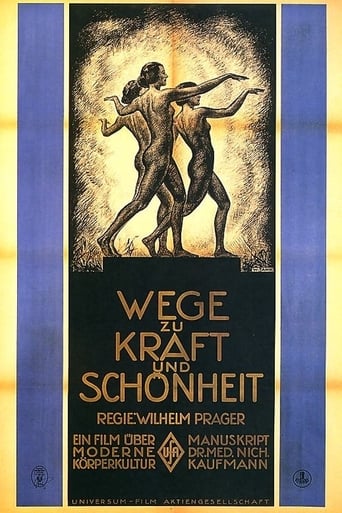
Hertha von Walther was a German stage and film actress who became one of the recognizable faces of Weimar-era cinema, particularly in silent films of the 1920s. Born in 1903 in Berlin, she entered the film world during a period when German production was internationally influential, and she appeared in a range of productions that reflected both the artistic ambitions and popular entertainment of the era. She is remembered today by classic film scholars and silent-cinema enthusiasts for her screen presence in films such as Ways to Strength and Beauty (1925), where she took part in the era's interest in modern physical culture and visual spectacle. Like many actresses of her generation, she worked in both serious dramatic roles and lighter entertainment, adapting to the shifting demands of the industry as cinema moved from silent films into the sound era. Her career was rooted primarily in German-language filmmaking, and she became part of the broad ensemble of performers who helped define Weimar cinema's visual sophistication and emotional realism. Information about her later life and postwar activities is comparatively limited in widely available English-language sources, but her surviving film record places her securely within the history of German silent cinema. She died in 1987, leaving behind a modest but historically significant screen legacy.
More about Hertha von Walther
On screen
Hertha von Walther's screen work belongs to the silent-era tradition of expressive, physically articulate acting, where gesture, posture, and facial expression carried much of the dramatic meaning. In the surviving context of Weimar cinema, performers like her were often expected to balance emotional clarity with restraint, avoiding excessive theatricality while remaining legible to the camera. Her film appearances suggest a polished, contemporary screen manner suited to ensemble productions and visually stylized storytelling.
In film history
Hertha von Walther's cultural impact lies chiefly in her association with German silent cinema during one of its most artistically fertile periods. Even though she was not among the era's internationally dominant stars, she contributed to the performance culture that made Weimar films distinctive: a blend of modernity, stylized realism, and visual sophistication. Her presence in Ways to Strength and Beauty places her within a film closely tied to the body culture and health movements of the 1920s, topics that resonated widely in German society. For film historians, actresses like von Walther help illustrate how the German studio system employed skilled ensemble performers to create the nuanced texture of silent-era storytelling.
Later reputation
Hertha von Walther's legacy is preserved primarily through film history rather than through widespread popular memory. She represents the many capable actresses whose work supported the artistic achievements of Weimar cinema and whose careers, though not heavily documented, remain part of the period's broader screen heritage. Because surviving records about her are sparse, she is especially valuable as a figure for archival and historical study, reminding audiences that classic cinema was built not only by major stars but also by numerous talented supporting performers. Her appearance in a significant 1920s production ensures that her name continues to surface in studies of silent German film.
Influence
Hertha von Walther's influence was likely indirect, functioning through the broader example she set as part of the disciplined, modern screen acting style of German silent cinema. Performers of her generation helped define a mode of camera-aware performance that influenced later European and Hollywood filmmaking, especially in the careful use of expression and physical presence. While there is no strong evidence that she directly mentored later stars, her work contributed to the acting environment from which later German screen traditions emerged.
Off screen
Publicly accessible biographical information about Hertha von Walther's personal life is limited. She was born in Berlin and is generally documented in connection with her work in German cinema rather than through extensive celebrity coverage. Widely circulated English-language sources do not provide a detailed account of marriages, children, or family life, and no reliable mainstream record is commonly cited for such details. As a result, her private life remains less documented than that of some of her better-known contemporaries.
Education
No reliable publicly available information about her formal education has been widely documented in standard film references.
Credits
- Appeared in Ways to Strength and Beauty (1925), a notable Weimar-era film associated with physical culture and modern visual style
- Worked as part of the vibrant German silent-film industry of the 1920s, which was internationally admired for its artistic ambition
- Built a screen career during the transitional period between silent cinema and early sound film
- Contributed to the ensemble tradition of Weimar film acting, where expressive physical performance and photogenic presence were highly valued
- Remains of interest to historians of silent German cinema and viewers studying lesser-documented actresses of the period
Roles
- Performer in Ways to Strength and Beauty (1925)
Films
- Ways to Strength and Beauty (1925)
Studios
- German silent film production companies of the Weimar era
Notes
- She was born in Berlin, placing her at the center of Germany's early film culture.
- Her known screen work is associated with the silent era rather than the later sound-film boom.
- Ways to Strength and Beauty (1925) is her best-documented surviving credit in English-language reference sources.
- Her career coincided with the Weimar Republic, a period of major innovation in German arts and cinema.
- Her name appears in classic-cinema research more often than in mainstream celebrity histories, reflecting how many silent-era performers are now known primarily through archives and filmographies.
- She is one of many German actresses whose work helps scholars map the ensemble nature of Weimar film production.
- Available public information about her private life is comparatively sparse, which is common for performers from the silent era.
Questions
Who was Hertha von Walther?
Hertha von Walther was a German actress active in the silent-film era, best remembered today for her work in Weimar-era cinema. She is especially associated with the 1925 film Ways to Strength and Beauty, which places her within one of the most interesting periods in early film history.
What films is Hertha von Walther best known for?
Hertha von Walther is best known for Ways to Strength and Beauty (1925), the title most consistently identified with her in surviving film references. Her broader filmography is less widely documented in English-language sources, but this film remains her key surviving credit for most audiences.
When was Hertha von Walther born and when did she die?
She was born on January 17, 1903, in Berlin, Germany, and died on April 18, 1987. Her life spanned the silent era, the rise of sound cinema, and much of the postwar period.
What awards did Hertha von Walther win?
No major awards or formal honors are widely documented for Hertha von Walther in standard reference sources. Like many silent-era performers, her recognition is primarily historical and film-historical rather than award-based.
What was Hertha von Walther's acting style?
Her acting style belonged to the silent-film tradition, emphasizing expressive gestures, clear facial communication, and physical poise. In the context of Weimar cinema, such a style would have balanced emotional clarity with the more restrained and modern screen naturalism favored by German filmmakers.
What is Hertha von Walther's legacy in film history?
Her legacy lies in her contribution to German silent cinema and to the ensemble of performers who shaped Weimar film culture. Even though she is not as famous as the era's major international stars, her work remains part of the historical record of one of cinema's most innovative periods.