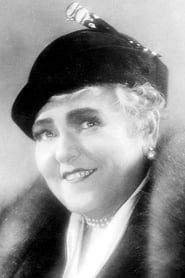
Karin Swanström
Actor
Born: June 13, 1873 in Norrköping, Sweden Died: July 5, 1942 Active: 1890-1942 Birth Name: Karin Matilda Swanström
Films
2 films
About Karin Swanström
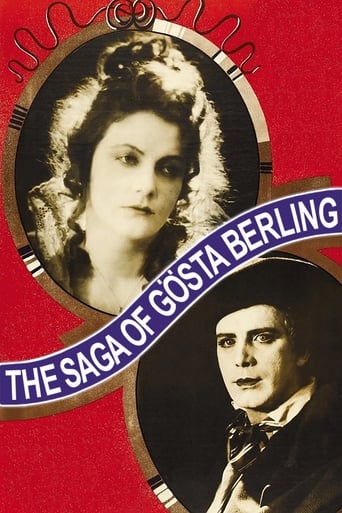
Karin Matilda Swanström — Swedish actress, theater director, and film performer who made significant contributions to Swedish cultural life during the late 19th and early 20th centuries. Born into a theatrical family, she began her stage career in the 1890s and quickly established herself as a formidable dramatic actress known for her powerful presence and emotional depth. Her marriage to actor-director Hjalmar Selander in 1898 marked the beginning of a remarkable theatrical partnership that would shape Swedish theater for decades. Together they managed and directed several prominent theaters, including the Swedish Theatre in Stockholm, where they championed both classical and contemporary works. After her husband's death in 1919, Karin continued their theatrical legacy independently, becoming one of Sweden's most respected theater managers. Her transition to film in the 1920s, particularly her memorable role in Mauritz Stiller's 'The Saga of Gösta Berling' (1924), showcased her ability to adapt her stage presence to the new medium of cinema. Throughout her career, Swanström was known for her dedication to artistic excellence and her role in mentoring young talents, including the future Hollywood star Greta Garbo. Her over five decades, from the Victorian era through the golden age of Swedish silent cinema, making her a bridge between different eras of Swedish performing arts.
The Craft
On Screen
Swanström's acting style was characterized by her commanding stage presence and deep emotional range, honed through decades of theatrical experience. She employed a naturalistic approach that was ahead of her time, avoiding the exaggerated gestures common in early silent cinema in favor of subtle facial expressions and controlled body language. Her performances were marked by psychological depth and an ability to convey complex emotions through minimal means, making her particularly effective in dramatic and maternal roles. Her theatrical background gave her exceptional diction and timing, which translated well to the silent screen where she could communicate volumes through her eyes and posture.
Milestones
- Starred in 'The Saga of Gösta Berling' (1924), one of Sweden's most important silent films
- Managed and directed the Swedish Theatre in Stockholm with her husband Hjalmar Selander
- Became one of Sweden's first prominent female theater directors
- Mentored young talents including Greta Garbo during her early career
- Successfully transitioned from stage to film during the silent era
- Directed theaters in multiple Swedish cities including Gothenburg and Helsinki
- Maintained an active performing career well into her 60s
Best Known For
Iconic Roles
Must-See Films
Accolades
Won
- Royal Medal Litteris et Artibus (1930) - For her contributions to Swedish arts
Special Recognition
- Honored by the Swedish Royal Academy for her theatrical contributions
- Recognized as a pioneer for women in Swedish theater management
- Named one of Sweden's most influential cultural figures of the early 20th century
Working Relationships
Worked Often With
Studios
Why They Matter
Impact on Culture
Karin Swanström had a profound impact on Swedish culture as both a performer and a pioneer in theater management. As one of the first women to successfully direct and manage major theaters in Sweden, she broke significant gender barriers in the early 20th century theatrical world. Her work helped establish high artistic standards in Swedish theater and film during a crucial period of national cultural development. Through her management of the Swedish Theatre and other venues, she introduced Swedish audiences to both international works and important Swedish playwrights, contributing to the development of a distinctly Swedish theatrical identity. Her role in 'The Saga of Gösta Berling' placed her at the center of Sweden's golden age of silent cinema, a film that helped launch international careers and brought Swedish cinema to global attention. Her mentorship of young talents, most notably Greta Garbo, had ripple effects that would influence Hollywood cinema in subsequent decades.
Lasting Legacy
Karin Swanström's legacy endures through her contributions to Swedish performing arts and her role as a trailblazer for women in theater management. She is remembered as a bridge between the 19th and 20th centuries in Swedish culture, helping to modernize theater while preserving its artistic traditions. Her work in both theater and film during the silent era represents a crucial period in Swedish cultural history when the country was establishing its identity in the arts. The theaters she managed continue to operate today, serving as monuments to her vision and dedication. Her influence on subsequent generations of performers and theater managers is evident in the continued prominence of women in Swedish cultural institutions. Film historians and theater scholars continue to study her career as an example of how artistic vision and business acumen can combine to create lasting cultural impact.
Who They Inspired
Swanström influenced Swedish cinema and theater through her naturalistic acting style, which helped move performances away from the melodramatic style of the 19th century toward more realistic portrayals. Her success as a female theater director opened doors for other women in Swedish cultural management. Her work with young performers established a tradition of mentorship in Swedish theater that continues today. Her approach to theater management, balancing artistic quality with commercial viability, became a model for subsequent theater directors. Her performances in silent films demonstrated how theatrical training could enhance screen acting, influencing the development of acting techniques in early Swedish cinema. Her collaboration with international directors like Mauritz Stiller helped establish connections between Swedish cinema and the broader European film industry.
Off Screen
Karin Swanström's personal life was deeply intertwined with her professional career and the Swedish theatrical world. She married actor and director Hjalmar Selander in 1898, forming both a marital and professional partnership that would last until his death in 1919. Together they had one child, a daughter named Ingrid Selander, who also pursued a career in the arts. After her husband's death, Karin continued their theatrical work while maintaining her own performing career. She was known for her strong work ethic and dedication to the arts, often working long hours to ensure the success of her theatrical productions. Despite her public success, she remained a private person who valued her family relationships and maintained close friendships within the artistic community. Her later years were spent continuing her theatrical work and mentoring young performers until her death in 1942 at the age of 69.
Education
Educated in dramatic arts through practical theater experience and apprenticeship in traveling theater companies during the 1890s
Family
- Hjalmar Selander (1898-1919)
Did You Know?
- She began her career at age 17 with a traveling theater company
- She and her husband managed theaters in multiple countries including Sweden, Finland, and Norway
- She was working with Greta Garbo before Garbo moved to Hollywood
- Her theater company was one of the first in Sweden to employ both male and female actors in equal status
- She continued performing on stage well into her 60s
- The Saga of Gösta Berling was her most famous film, but she actually appeared in relatively few movies compared to her extensive stage career
- She received the Royal Medal Litteris et Artibus, one of Sweden's highest cultural honors
- Her management style was considered progressive for its time, offering fair wages and working conditions to actors
- She spoke multiple languages, which helped her manage theaters in different Scandinavian countries
- She was known for her photographic memory, able to recall entire plays and scripts after a single reading
In Their Own Words
The theater is not a business; it is a calling that demands everything we have to give.
In every young actor's eyes, I see the future of our art, and it is my duty to nurture that flame.
Swedish culture deserves the best we can offer, both from our own playwrights and from the world beyond our borders.
Frequently Asked Questions
Who was Karin Swanström?
Swedish actress and theater on YTB.my. She was one of Sweden's first prominent female theater managers and appeared in notable silent films including 'The Saga of Gösta Berling' (1924).
What films is Karin Swanström best known for?
Titles linked here include The Saga of Gösta Berling (1924), A Perfect Gentleman (1927).
When was Karin Swanström born and when did she die?
Born June 13, 1873; died July 5, 1942.
What awards did Karin Swanström win?
Karin Swanström received the Royal Medal Litteris et Artibus in 1930, one of Sweden's highest cultural honors, in recognition of her significant contributions to Swedish arts and theater. She was also honored by the Swedish Royal Academy for her theatrical achievements.
What was Karin Swanström's acting style?
Swanström's acting style was characterized by naturalism and emotional depth, avoiding the exaggerated gestures common in early cinema. Her theatrical background gave her exceptional control over facial expressions and body language, allowing her to convey complex emotions with subtlety and psychological realism.
How did Karin Swanström influence Swedish theater?
Swanström revolutionized Swedish theater as one of the first female theater directors, managing major venues like the Swedish Theatre in Stockholm. She established high artistic standards, championed both Swedish and international works, and created a tradition of mentoring young performers that continues in Swedish theater today.
Was Karin Swanström married?
Yes, she was married to actor and director Hjalmar Selander from 1898 until his death in 1919. Their marriage was both personal and professional, as they managed theaters together and formed one of Sweden's most influential theatrical partnerships of the early 20th century.