
A Perfect Gentleman
"Duty, boredom, and a noble sacrifice."
Keys: Space play/pause · ←/→ 10s · F fullscreen · M mute · </> speed
About this film
A British aristocrat trapped in a marriage of convenience grows bored until he sacrifices his own happiness to help his wife's lover, mining class comedy from Edwardian social codes in this 1927 feature also known as Husband by Proxy.
Cast & crew
More films like this
More Drama films
View all →







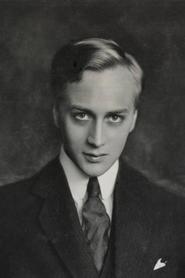
More from Gösta Ekman
View all →

More about this film
About the production
Release dateOctober 3, 1927
Box officeBox office records from 1927 Swedish cinema are not well documented
ProductionAB Svensk Filmindustri
Filmed inStockholm, Sweden, Filmstaden Studios, Solna, Sweden
The film was shot during the golden age of Swedish cinema at the renowned Filmstaden studios. Director Gösta Ekman, one of Sweden's most celebrated actors of the era, took on dual roles as both director and lead actor. The production featured elaborate sets recreating aristocratic interiors, showcasing the opulence of Swedish high society. The film was produced during a period when Swedish cinema was gaining international recognition for its artistic merit and technical sophistication.
Themes
Marriage and social conventionHonor and sacrificeClass and aristocracyAppearance versus realityPersonal desire versus social duty
Themes & topics
aristocracymarriage of conveniencesacrificesocial comedydramainfidelityhonorhigh societySweden1920ssilent film
Historical background
Released around 1927, A Perfect Gentleman reached audiences while exhibitors were still shaping program length and star promotion.
Why this film matters
Surviving prints of A Perfect Gentleman help researchers study how 1927-era filmmakers solved storytelling with limited means.
Making of
The production of 'A Perfect Gentleman' was marked by Gösta Ekman's meticulous attention to detail, drawing from his extensive theater experience. Ekman insisted on multiple takes to achieve the subtle facial expressions crucial for conveying the film's emotional depth in the silent medium. The cast underwent extensive preparation to master the mannerisms and speech patterns of Swedish aristocracy, with Ekman personally coaching the supporting actors. The film's elaborate ballroom scene required weeks of rehearsal and involved over fifty extras in period costumes. Contemporary accounts suggest that Ekman and co-star Karin Swanström had creative differences regarding the interpretation of certain scenes, particularly those involving marital conflict. The cinematographer, Julius Jaenzon, a pioneer of Swedish cinema, experimented with soft focus techniques to enhance the dreamlike quality of the aristocratic settings.
What critics said
Press files from 1927 rarely give A Perfect Gentleman extended review space; mentions appear in roundup columns.
Did you know?
- Gösta Ekman was one of Sweden's most prominent theater actors who successfully transitioned to silent film, and this was one of his rare directorial efforts
- The film's original Swedish title was 'En perfekt gentleman'
- La Jana, who plays the female lead, was actually Austrian-born and became a major European film star in the 1930s
- The film was considered quite daring for its time due to its subtle critique of marriage conventions and aristocratic hypocrisy
- AB Svensk Filmindustri, the production company, was responsible for many of Sweden's most significant silent films
- The film's intertitles were written by renowned Swedish playwright Hjalmar Bergman
- Only partial copies of the film are known to exist today, with some scenes lost to time
- The costume design was overseen by Swedish fashion designer Vera Åhlin, who was known for her work with Stockholm's Royal Dramatic Theatre
- The film was part of a wave of sophisticated comedies of manners that emerged in European cinema in the late 1920s
- Despite its artistic merits, the film was not exported widely due to the coming of sound and the economic challenges facing Swedish cinema at the time
Awards & recognition
- No major awards documented for this film
Visual style
The cinematography, handled by veteran Swedish cinematographer Julius Jaenzon, employed sophisticated lighting techniques to create the opulent atmosphere of aristocratic settings. Jaenzon utilized natural light from large windows in interior scenes to achieve a soft, painterly effect characteristic of Swedish silent cinema. The film features carefully composed medium shots that emphasize the actors' facial expressions, crucial for conveying emotion in silent film. Notable use of shadow and light enhances the psychological tension in key scenes, particularly those involving marital conflict. The ballroom sequence showcases Jaenzon's mastery of crowd scenes, using deep focus to maintain clarity across multiple planes of action.
Innovations
The film demonstrated advanced use of the moving camera for its time, particularly in tracking shots that follow characters through elaborate ballroom scenes. The production employed sophisticated matte painting techniques to extend the apparent size of interior sets. The lighting design was particularly innovative for Swedish cinema, using multiple light sources to create naturalistic effects in interior scenes. The film's editing rhythm, while conventional for the period, shows careful attention to pacing in dialogue scenes through the precise timing of intertitle cuts.
Music
As a silent film, 'A Perfect Gentleman' would have been accompanied by live musical performance during its original theatrical run. The typical Swedish cinema of 1927 would have featured either a small orchestra or a skilled pianist providing accompaniment. While the original score is not documented, contemporary accounts suggest that the music emphasized classical pieces, particularly waltzes and chamber music appropriate to the aristocratic setting. Modern screenings of restored versions often feature newly composed scores that attempt to recreate the musical atmosphere of 1920s Swedish cinema.
Famous quotes
A gentleman's duty is not to seek happiness, but to provide it for others, even at his own expense.
In society, appearances are not everything—they are the only thing.
Love is a luxury the aristocracy cannot afford; we trade it for convenience.
Memorable scenes
- The climactic ballroom scene where Count Falk must maintain his composure while watching his wife dance with her lover, showcasing Ekman's masterful performance through subtle facial expressions and restrained body language
- The intimate conversation between the Count and Countess in their private chambers, where years of unspoken tension surface through carefully choreographed movements and meaningful glances
- The final scene where Falk walks alone through the empty gardens of his estate, symbolizing his isolation despite his privileged position
What audiences thought
The film enjoyed moderate success with Swedish audiences upon its release, particularly appealing to urban middle-class viewers who were fascinated by depictions of aristocratic life. Audience reports from Stockholm theaters indicate that viewers responded positively to the film's emotional moments and witty social observations. However, the film's sophisticated tone and subtle humor may have limited its broader appeal compared to more straightforward melodramas of the period. The coming of sound cinema shortly after its release meant that the film had a relatively short theatrical run, limiting its overall audience reach.
Film connections
Influenced by
- Works by Henrik Ibsen
- Swedish literary tradition of social critique
- German Kammerspielfilm style
- Comedy of manners genre from literature
This film influenced
- Later Swedish social dramas
- European films exploring aristocratic themes
- Works by Ingmar Bergman (particularly his early social dramas)
Film restoration
The film is considered partially lost, with only incomplete versions surviving in the Swedish Film Institute's archives. Approximately 70% of the original footage is believed to exist, though some key scenes may be missing. The surviving elements have undergone partial restoration efforts by the Swedish Film Institute, though a complete restoration remains challenging due to the missing footage. The film exists on 35mm nitrate stock in the archives, with preservation copies made on safety film.
Where to watch
- Swedish Film Institute archive (special screenings)
- Occasional screenings at silent film festivals
- Not commercially available on home video or streaming platforms due to preservation status