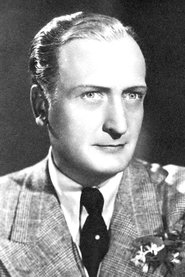
Hans Albers
Actor
Born: September 22, 1891 in Hamburg, German Empire Died: July 24, 1960 Active: 1911-1960 Birth Name: Hans Philipp August Albers
Films
2 films
About Hans Albers
Hans Albers was one of Germany's most beloved and successful actors, whose remarkable five decades from the silent era through the post-war period. Born in Hamburg in 1891, he began his career on the stage before transitioning to silent films in the early 1910s. Albers achieved superstardom during the Weimar Republic and maintained his popularity throughout the Nazi era, becoming one of the highest-paid actors in German cinema. He was particularly famous for his portrayal of the archetypal German sailor, a character that became his signature role in numerous films. Despite the political turmoil of his time, Albers managed to navigate the complex landscape of German cinema with remarkable skill, never joining the Nazi party yet continuing to work successfully. His distinctive voice, charismatic presence, and ability to connect with audiences made him a cultural icon. After World War II, he successfully transitioned to post-war cinema, continuing to make films until shortly before his death in 1960.
The Craft
On Screen
Hans Albers was known for his naturalistic yet charismatic acting style that combined theatrical gravitas with cinematic authenticity. His performances were characterized by a distinctive, slightly gravelly voice that became instantly recognizable to German audiences. He excelled at portraying the common man with extraordinary qualities, particularly his signature sailor characters who embodied freedom, adventure, and working-class values. Albers had a remarkable ability to convey both toughness and vulnerability, often playing characters who were rough around the edges but possessed a deep sense of honor and humanity. His acting technique evolved from the exaggerated expressions of silent cinema to a more nuanced, naturalistic approach in sound films, though he always maintained a certain theatrical flair that made him a compelling screen presence.
Milestones
- Stage debut in 1911 at the Trianon Theatre in Hamburg
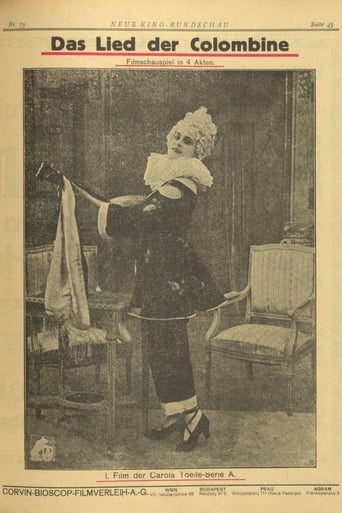
- First film appearance in 1918 in 'Das Lied der Colombine'
- Breakthrough role in 'Der Hund von Baskerville' (1929)
- Starred in 'Der Mann, der Sherlock Holmes war' (1937)
- Iconic performance in 'Münchhausen' (1943)
- Post-war comeback with 'In jenen Tagen' (1947)
- Final film appearance in 'Keine Angst vor großen Tieren' (1953)
- Received the Filmband in Gold for lifetime achievement in 1960
Best Known For
Iconic Roles
Must-See Films
Accolades
Won
- Filmband in Gold for lifetime achievement (1960)
- Bambi Award (multiple years)
- German Film Award for Best Actor
Nominated
- Venice Film Festival Volpi Cup for Best Actor (1948) for 'Der Herr vom andern Stern'
- German Film Award nominations for multiple performances
Special Recognition
- Star on the Boulevard der Stars in Berlin
- German Film Archive retrospective of his work
- Multiple postage stamps issued featuring his likeness
- Hans Albers Museum in Hamburg
- Numerous streets and squares named after him in German cities
Working Relationships
Worked Often With
Studios
Why They Matter
Impact on Culture
Hans Albers had an enormous cultural impact on German cinema and society, becoming. His sailor characters became archetypal figures in German popular culture, representing freedom, adventure, and the common man's spirit. During the Nazi regime, Albers represented a form of cultural continuity and normalcy for German audiences, providing entertainment that transcended politics. His films were among the most popular in Germany during the 1930s and 1940s, and he was one of the few stars who maintained popularity across different political regimes. Albers' distinctive voice and mannerisms became part of the German cultural lexicon, with his songs and film quotes still recognized by generations of Germans. He helped define the German film hero type that would influence countless actors who followed.
Lasting Legacy
Hans Albers' legacy endures as one of Germany's greatest film icons, representing the golden age of German cinema. His ability to maintain artistic integrity while achieving massive commercial success set a standard for German actors. The sailor persona he created became a permanent fixture in German cultural memory, symbolizing the romantic ideal of the seafaring adventurer. His films continue to be studied and appreciated by film historians and are regularly shown in retrospectives and film festivals. Albers demonstrated that it was possible to be a major star during one of history's darkest periods without compromising one's principles, particularly through his protection of Hansi Burg. The Hans Albers Museum in Hamburg and the continued popularity of his films attest to his lasting cultural significance. He remains a benchmark against which German film actors are still measured, and his influence can be seen in generations of German performers who followed.
Who They Inspired
Hans Albers influenced generations of German actors through his unique combination of theatrical presence and cinematic naturalism. His success in both silent and sound films provided a model for actors transitioning between mediums. The archetype of the rugged yet sensitive hero he perfected influenced German cinema's approach to leading characters for decades. His ability to maintain popularity across different political eras showed other artists how to navigate turbulent times while preserving artistic integrity. Many post-war German actors, including Curd Jürgens and Mario Adorf, cited Albers as an influence on their work. His distinctive vocal style and delivery patterns influenced how German dialogue was performed in films. Albers also demonstrated the commercial potential of the star system in German cinema, paving the way for future German film stars to achieve similar cultural status.
Off Screen
Hans Albers led a colorful personal life that was often the subject of public fascination. He never married but maintained a long-term relationship with actress Hansi Burg, a Jewish actress whom he protected during the Nazi era by helping her escape to Switzerland. Their relationship, which lasted from the 1920s until her death in 1975, was. Albers was known for his generosity and often helped fellow artists in need, particularly during the difficult war years. He was also an avid sailor in real life, which contributed to the authenticity of his sailor roles. Despite his massive fame, he remained relatively private about his personal matters, though he was known to enjoy the Hamburg nightlife and was a regular patron of the city's famous entertainment district.
Education
Attended acting school in Hamburg, trained under prominent theater directors of the era
Did You Know?
- He was nicknamed 'Der Blonde Hans' (The Blonde Hans) by his fans
- He protected his Jewish girlfriend Hansi Burg during the Nazi era by helping her escape to Switzerland
- He was one of the highest-paid actors in Nazi Germany but never joined the Nazi party
- His song 'Auf der Reeperbahn nachts um halb eins' became a German standard and is still widely known
- He originally trained to be a merchant before turning to acting
- He was an accomplished sailor in real life and owned his own yacht
- Despite his massive fame, he never owned a house, preferring to live in hotels
- He appeared in over 150 films during his career
- His final public appearance was shortly before his death at a Hamburg theater
- The German post office issued a stamp featuring his likeness in 1991 to commemorate his 100th birthday
In Their Own Words
Ich bin doch nur ein einfacher Matrose
I'm just a simple sailor) - his signature line from many films
Man muss im Leben immer weitermachen
One must always keep going in life) - from an interview about his career longevity
Das Publikum ist mein einziger Herr
The audience is my only master) - about his relationship with his fans
In Hamburg, da bin ich zu Hause
In Hamburg, I am at home) - expressing his love for his birthplace
Frequently Asked Questions
Who was Hans Albers?
Hans Albers was one of Germany's most famous and beloved actors, active from the silent era through the 1950s. Known as 'Der Blonde Hans,' he became a cultural icon through his portrayal of sailors and other working-class heroes, appearing in over 150 films and becoming one of the highest-paid actors in German cinema history.
What films is Hans Albers best known for?
Titles linked here include Das Lied der Colombine (1918), Der Mann, der Sherlock Holmes war (1937).
When was Hans Albers born and when did he die?
Born September 22, 1891; died July 24, 1960.
What awards did Hans Albers win?
Albers received the Filmband in Gold for lifetime achievement in 1960, won multiple Bambi Awards, and received the German Film Award for Best Actor. He was also honored with a star on the Boulevard der Stars in Berlin and has had museums and streets named after him.
What was Hans Albers' acting style?
Albers was known for his charismatic, naturalistic style that combined theatrical presence with cinematic authenticity. He excelled at portraying common men with extraordinary qualities, particularly his signature sailor characters. His distinctive gravelly voice and ability to convey both toughness and vulnerability made him uniquely compelling to German audiences.
Did Hans Albers work during the Nazi era?
Yes, Albers continued to work successfully during the Nazi era, becoming one of Germany's biggest stars. However, he never joined the Nazi party and used his influence to help others, particularly his Jewish partner Hansi Burg, whom he helped escape to Switzerland. His continued work during this period remains a subject of historical discussion.
What was Hans Albers' relationship with Hansi Burg?
Hansi Burg was Albers' lifelong partner and a prominent Jewish actress. Their relationship began in the 1920s and lasted until her death in 1975. During the Nazi era, Albers protected Burg by helping her escape to Switzerland, demonstrating his moral courage during a dangerous period.
Why is Hans Albers considered important in German cinema?
Albers is considered important because he defined the German film star archetype and maintained popularity across different political eras. His sailor characters became cultural icons, and he demonstrated how actors could maintain artistic integrity while achieving commercial success. His career represents the continuity of German cinema from the silent era through the post-war period.