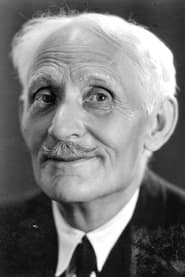
Carl Browallius
Actor
Born: March 7, 1868 in Stockholm, Sweden Died: May 16, 1944 Active: 1919-1944 Birth Name: Carl Gottfrid Browallius
Films
4 films
About Carl Browallius
Carl Gottfrid Browallius — Swedish actor who made significant contributions to both theater and cinema during the late 19th and early 20th centuries. Born in Stockholm in 1868, he began his career on the Swedish stage, eventually becoming respected actors at the Royal Dramatic Theatre (Dramaten). Browallius successfully transitioned to silent film in 1919, bringing his theatrical gravitas and commanding presence to the new medium. He became known for portraying authority figures, aristocrats, and patriarchal characters with remarkable depth and dignity. His film the golden age of Swedish silent cinema, and he continued acting successfully into the early sound era. Throughout his career, Browallius was Sweden's finest character actors, known for his professionalism and artistic integrity. He remained active in both theater and film until his death in 1944, leaving behind a legacy of powerful performances that helped establish the high artistic standards of Swedish cinema.
The Craft
On Screen
Browallius was known for his dignified, authoritative presence and powerful voice that commanded attention on both stage and screen. His theatrical background gave him exceptional command of gesture and expression, which translated effectively to silent film where he could convey complex emotions through subtle facial expressions and body language. He specialized in playing aristocrats, officials, and patriarchal roles with gravitas and psychological depth, bringing a sense of authenticity and weight to every character. Browallius's style represented the bridge between 19th-century theatrical tradition and 20th-century cinematic naturalism, maintaining the dignity of classical acting while adapting to the demands of film.
Milestones
- Long-standing association with the Royal Dramatic Theatre (Dramaten)
- Successful transition from acclaimed stage actor to silent film star
- Key roles in Swedish silent cinema during its golden age
- Continued success in early sound films
- Recognition as one of Sweden's premier character actors
- Influence on subsequent generations of Swedish actors
Best Known For
Iconic Roles
Must-See Films
Accolades
Special Recognition
- Long-standing member and leading actor at the Royal Dramatic Theatre
- Recognition as one of Sweden's most character actors
- Pioneer in establishing high artistic standards in Swedish cinema
Working Relationships
Worked Often With
Studios
Why They Matter
Impact on Culture
Carl Browallius played a pivotal role in the development of Swedish cinema during its formative years, helping establish a tradition of serious, psychologically nuanced acting that Swedish films from other national cinemas. As one of the first major stage actors to successfully transition to film, he brought legitimacy to the new medium and helped bridge the gap between theatrical tradition and cinematic innovation. His work represented the dignity and artistic ambition that Swedish cinema aspired to during its golden age, contributing to the establishment of a distinct national cinematic identity. Browallius's performances helped demonstrate that film could be a medium for serious artistic expression, not just entertainment.
Lasting Legacy
Carl Browallius is remembered as one of Sweden's foundational character actors who helped establish the high artistic standards of Swedish cinema during its silent era and early sound period. His successful transition from stage to screen set a precedent for other theatrical actors in Sweden and demonstrated how classical acting techniques could be adapted for film. His body of work, particularly from the 1920s, represents some of the finest examples of Swedish film acting from that period. Through his long association with the Royal Dramatic Theatre, Browallius influenced subsequent generations of Swedish actors who would go on to international acclaim, including those who would work with Ingmar Bergman in later decades.
Who They Inspired
Browallius influenced subsequent generations of Swedish actors through his example of bringing theatrical gravitas to film without sacrificing cinematic naturalism. His approach to character development and psychological depth became a model for Swedish character actors, establishing a tradition of serious, artistically ambitious acting in Swedish cinema. The emphasis on psychological realism and emotional authenticity that characterized his work influenced the development of Swedish acting style, which would later be recognized internationally through the work of actors like Ingrid Bergman and Greta Garbo. His mentorship at the Royal Dramatic Theatre helped shape the careers of many actors who would define Swedish cinema in subsequent decades.
Off Screen
Carl Browallius came from a theatrical background and married actress Karin Wiberg, continuing the family's tradition in the performing arts. He was the father of Paul Browallius, who also pursued a career in acting, creating a multi-generational theatrical family. Browallius was known for his dedication to the craft of acting and his professional integrity throughout his long career. He maintained a reputation as a serious artist who brought dignity and depth to every role, whether on stage or screen. His influence extended beyond his own performances through his work mentoring younger actors at the Royal Dramatic Theatre.
Education
Theatrical training typical of late 19th century Swedish actors, though specific educational institutions are not extensively documented
Family
- Karin Wiberg
Did You Know?
- Born Carl Gottfrid Browallius but used the shorter Carl Browallius professionally
- Had a career spanning over 50 years in both theater and film
- Was one of the first major Swedish stage stars to successfully transition to silent film
- Came from a theatrical family and continued the tradition with his son Paul
- Often played authority figures due to his naturally dignified presence
- Continued acting well into his 70s, appearing in films until 1941
- Represented the bridge between 19th century theatrical tradition and 20th century cinema
- Was part of the golden age of Swedish silent cinema alongside directors like Mauritz Stiller
- His stage background gave him exceptional command of voice and gesture
- Helped establish the Royal Dramatic Theatre as Sweden's premier acting institution
In Their Own Words
The stage is our temple, but film is our new cathedral - we must bring the same reverence to both.
An actor's dignity comes not from the roles he plays, but from the truth he brings to them.
Frequently Asked Questions
Who was Carl Browallius?
Swedish with credits in this catalog. He was one of Sweden's most respected character actors, known for his work at the Royal Dramatic Theatre and his roles in Swedish silent films.
What films is Carl Browallius best known for?
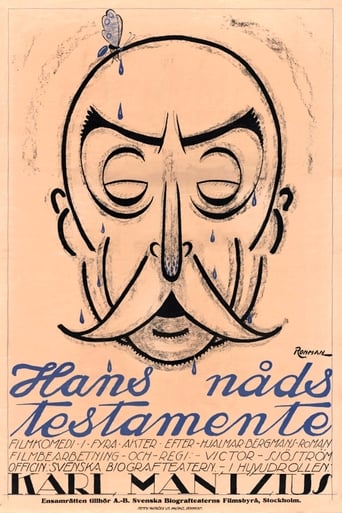
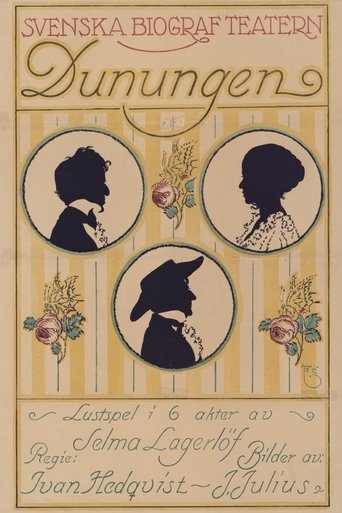
Titles linked here include His Lord's Will (1919), The Downy Girl (1919).
When was Carl Browallius born and when did he die?
Born March 7, 1868; died May 16, 1944.
What awards did Carl Browallius win?
While formal awards were not extensively documented for actors of his era, Browallius received significant recognition through his long-standing position as a leading actor at the Royal Dramatic Theatre and his reputation as one of Sweden's most character actors.
What was Carl Browallius's acting style?
Browallius was known for his dignified, authoritative presence and powerful voice, specializing in aristocratic and patriarchal roles. He brought theatrical gravitas to film while adapting to cinematic naturalism, conveying complex emotions through subtle expressions and psychological depth.
Did Carl Browallius work in theater as well as film?
Yes, Browallius had a career in both theater and film. He was a prominent actor at the Royal Dramatic Theatre for many years and successfully transitioned to silent film in 1919, continuing to work in both mediums throughout his career.
Was Carl Browallius part of a theatrical family?
Yes, Browallius came from and continued a theatrical tradition. He married actress Karin Wiberg and his son Paul Browallius also became an actor, creating a multi-generational family involved in Swedish performing arts.