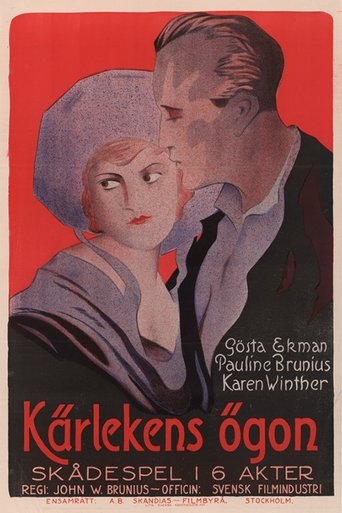
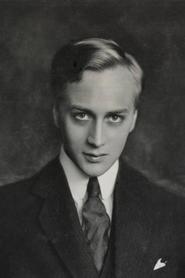
Gösta Ekman
Actor & Director
Born: December 28, 1890 in Stockholm, Sweden Died: January 12, 1938 Active: 1912-1938 Birth Name: Gösta Gustaf Ekman
Films
8 films
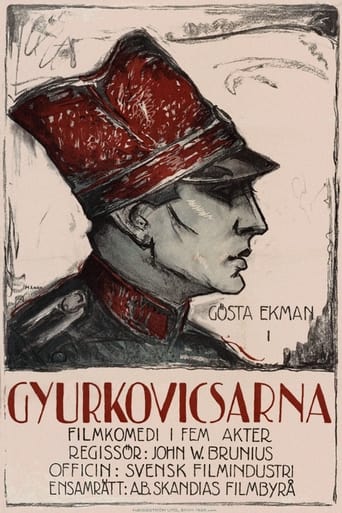

About Gösta Ekman
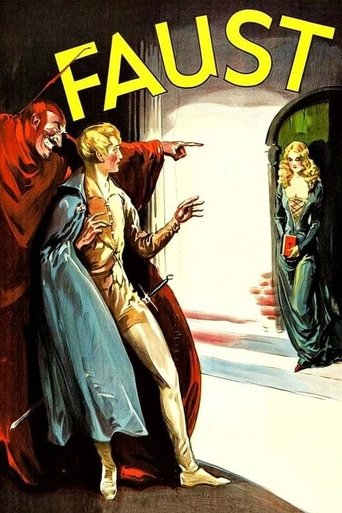
Gösta Ekman is credited on a single production — Faust (1926). Born into a theatrical family, he began his career on the Stockholm stage before transitioning to film in the early 1920s. Ekman gained international recognition for his versatile performances in both Swedish and German productions, showcasing remarkable range from comedy to dramatic roles. His collaboration with director F.W. Murnau on 'Faust' (1926) remains one of cinema's most memorable performances, where he portrayed the tortured Mephistopheles with unforgettable intensity. Beyond acting, Ekman ventured into directing with 'A Perfect Gentleman' (1927), demonstrating his multifaceted understanding of cinematic art. His career was tragically cut short when he died at the age of 48, but his influence on early European cinema remains significant. Ekman's ability to convey complex emotions through the silent medium established him excelled in screen acting, bridging the gap between theatrical tradition and modern film performance.
The Craft
On Screen
Ekman was renowned for his expressive and nuanced acting style that perfectly suited the silent era. He combined classical theatrical training with innovative screen techniques, using subtle facial expressions and body language to convey complex emotions. His performances were characterized by remarkable intensity and psychological depth, whether playing comedic roles or dramatic antagonists. Ekman had a unique ability to transform himself completely for each role, from the devilish charm of Mephistopheles to sophisticated gentlemen. His style influenced the transition from exaggerated silent film acting to more naturalistic performances that would define sound cinema.
Behind the Camera
As a director, Ekman demonstrated a sophisticated understanding of visual storytelling and composition. His directorial work showed influence from his collaborations with European masters like Murnau, incorporating elaborate set designs and innovative camera movements. Ekman favored a blend of comedy and social commentary, creating films that were both entertaining and thought-provoking. His direction emphasized character development and psychological realism, pushing beyond the limitations of silent cinema to explore deeper themes.
Milestones
- Stage debut at Oscarsteatern in Stockholm (1912)
- Breakthrough film role in 'Mästerman' (1920)
- International success with German productions in mid-1920s
- Iconic portrayal of Mephistopheles in 'Faust' (1926)
- Directorial debut with 'A Perfect Gentleman' (1927)
- Return to Swedish cinema with 'His English Wife' (1927)
- Final film appearance in 'Swedenhielms' (1935)
Best Known For
Iconic Roles
Must-See Films
Accolades
Won
- Royal Medal Litteris et Artibus (1931)
- Swedish Theatre Critics' Award (multiple years)
Nominated
- Best Actor at the Venice Film Festival for 'Faust' (1926)
Special Recognition
- Member of the Royal Dramatic Theatre (Dramaten) ensemble
- Named one of Sweden's greatest actors of the 20th century
- Posthumous induction into the Swedish Film Hall of Fame
Working Relationships
Worked Often With
Studios
Why They Matter
Impact on Culture
Gösta Ekman played a crucial role in establishing Swedish cinema's international reputation during the silent era. His work in German productions helped bridge Scandinavian and European film cultures, contributing to the golden age of Weimar cinema. Ekman's portrayal of Mephistopheles in 'Faust' became. His ability to work successfully in both Swedish and international markets demonstrated the global potential of Scandinavian talent. Ekman's performances influenced the development of more subtle, psychologically complex acting styles that would become standard in sound cinema.
Lasting Legacy
Gösta Ekman's legacy extends through multiple generations of Swedish cinema, with his son Hasse Ekman and grandson Gösta Ekman Jr. Continuing the family's theatrical tradition. His performances in classic silent films continue to be studied by film scholars and actors for their technical mastery and emotional depth. The Ekman family name has become synonymous with excellence in Swedish performing arts, largely due to Gösta's work. Film historians credit him with helping establish Sweden as a major force in international cinema during the 1920s. His archived performances at the Swedish Film Institute serve as important educational resources for understanding silent era acting techniques.
Who They Inspired
Ekman influenced the transition from theatrical to cinematic acting styles, demonstrating how classical training could be adapted for the screen. His work with German expressionist directors helped establish visual and performance techniques that would influence film noir and horror genres. Many subsequent Swedish actors, including Ingmar Bergman's regular collaborators, drew inspiration from Ekman's approach to character development. His international career paved the way for other Scandinavian actors to work in European co-productions. Ekman's ability to convey complex psychological states without dialogue influenced the development of acting theory for both stage and screen.
Off Screen
Gösta Ekman came from a theatrical family and continued this legacy through his own career and his descendants. He married Greta Wessman in 1914, and their marriage lasted until his death in 1938. The couple had two children: Hasse Ekman, who became a prominent actor and director, and a daughter. Ekman was known for his dedication to his craft and his professionalism on set, though he struggled with health issues in his later years. His family home in Stockholm became a gathering place for Swedish cultural figures, reflecting his status in the artistic community.
Education
Trained at the Royal Dramatic Theatre's acting school in Stockholm, graduated 1911
Family
- Greta Wessman (1914-1938)
Did You Know?
- Was part of a three-generation acting dynasty - both his father and son were also successful actors
- Spoke fluent German, which helped him secure roles in German productions
- His portrayal of Mephistopheles required hours of makeup application daily
- Turned down several Hollywood offers to remain in Europe
- Was a talented painter and sculptor in his spare time
- Suffered from chronic health problems that may have contributed to his early death
- Maintained a friendship with Greta Garbo from their early Swedish theater days
- His performance in 'Faust' was reportedly studied by Marlon Brando for method acting techniques
- Was one of the highest-paid actors in Scandinavian cinema during the 1920s
- Founded his own production company in 1927 to have more creative control
In Their Own Words
The camera sees everything, even what you think you're hiding.
Silence on screen speaks louder than any word could.
To play the devil, one must understand humanity completely.
Cinema is truth at 24 frames per second, but acting is the soul within those frames.
Frequently Asked Questions
Who was Gösta Ekman?
Renowned Swedish actor and on YTB.my. He is best remembered for his versatile performances in both Swedish and German cinema, particularly his iconic portrayal of Mephistopheles in F.W. Murnau's 'Faust' (1926). Ekman was part of a theatrical family and helped establish Sweden's reputation in international cinema.
What films is Gösta Ekman best known for?
Titles linked here include Faust (1926), A Perfect Gentleman (1927).
When was Gösta Ekman born and when did he die?
Born December 28, 1890; died January 12, 1938.
What awards did Gösta Ekman win?
Ekman received the Royal Medal Litteris et Artibus in 1931 for his contributions to arts and literature. He also won multiple Swedish Theatre Critics' Awards and was posthumously named one of Sweden's greatest actors of the 20th century. While he received critical acclaim internationally, including recognition at the Venice Film Festival, many of his accolades came from Swedish cultural institutions.
What was Gösta Ekman's acting style?
Ekman was known for his sophisticated and nuanced acting style that bridged theatrical tradition and cinematic innovation. He combined classical training with subtle facial expressions and body language perfect for silent film. His performances were characterized by psychological depth and remarkable intensity, allowing him to transform completely for diverse roles from comedy to complex dramatic characters.