
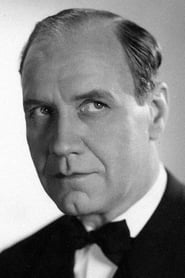
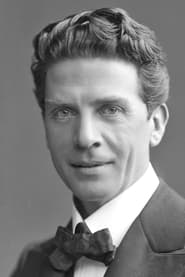
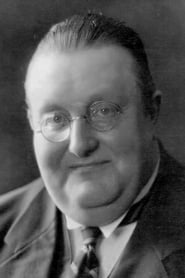


Thora van Deken
"Thora van Deken (1920)"
Keys: Space play/pause · ←/→ 10s · F fullscreen · M mute · </> speed
About this film
A divorced woman takes matters into her own hands and destroys her late ex-husband's will, to ensure that their daughter receives her rightful inheritance. Will her efforts be for naught? Based on "Lille Rødhætte" by Henrik Pontoppidan.
Cast & crew
More Drama films
View all →






More from John W. Brunius
View all →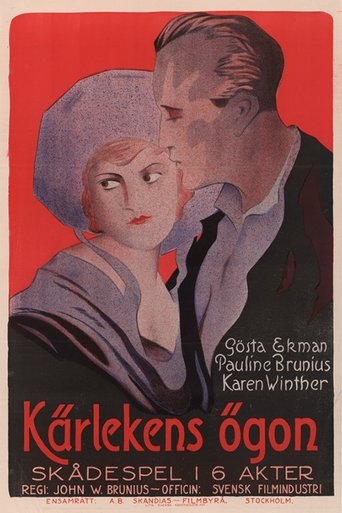



More about this film
About the production
Release dateSeptember 27, 1920
Box officeUnknown
ProductionFilmindustri AB Scandia
Filmed inStockholm, Sweden
The film was produced during the golden age of Swedish cinema, when Swedish films were gaining international recognition for their artistic quality and sophisticated storytelling. Director John W. Brunius cast his wife Pauline Brunius in the lead role, showcasing her considerable dramatic talents. The production utilized natural lighting techniques that were becoming characteristic of Swedish cinema of this era, particularly in interior scenes. The film's exploration of divorce and women's rights was considered quite progressive for its time, reflecting the changing social dynamics in post-World War I Europe.
Themes
Divorce and social stigmaWomen's autonomy and rightsMaternal love and sacrificeJustice versus lawClass and inheritance
Themes & topics
divorceinheritancewill destructionmaternal protectionlegal battlefamily secretssocial injusticewomen's rightscourtroom dramamoral dilemma
Historical background
Made in 1920, Thora van Deken reflects production norms of late silent cinema and the transition toward sound—shorter runtimes, regional audiences, and limited preservation infrastructure.
Why this film matters
Historians reference Thora van Deken (1920) when discussing 1920 film by John W. Brunius.
Making of
The making of Thora van Deken reflected the collaborative nature of Swedish cinema during its golden age. Director John W. Brunius worked closely with his wife Pauline Brunius to develop her character, resulting in a performance that was praised for its psychological depth and emotional authenticity. The production team employed innovative lighting techniques, particularly the use of natural light filtered through windows to create atmospheric interior scenes. The film's themes of divorce and women's autonomy required careful handling to avoid censorship issues, leading to subtle visual storytelling techniques to convey controversial ideas. The cast underwent extensive rehearsals, which was unusual for silent films but helped create more nuanced performances. The production design emphasized realistic domestic settings to ground the story in contemporary Swedish society, making the social commentary more immediate and relatable to audiences of the time.
What critics said
Modern write-ups on Thora van Deken (1920) tend to focus on preservation status, stylistic choices, and placement within director or studio filmographies.
Did you know?
- The film is based on 'Lille Rødhætte' (Little Red Riding Hood) by Henrik Pontoppidan, though it's not a literal adaptation but rather uses themes from the story as inspiration
- Director John W. Brunius was married to lead actress Pauline Brunius, making this a family collaboration
- The film was released during what many consider the golden age of Swedish silent cinema (1917-1924)
- Henrik Pontoppidan, whose work the film is based on, was a Nobel Prize-winning Danish author
- The film's themes of women's rights and divorce were particularly controversial in 1920, when divorce was still heavily stigmatized
- The production company Filmindustri AB Scandia was one of Sweden's major film studios during the silent era
- The film was part of a wave of Scandinavian films dealing with social issues and women's emancipation in the early 1920s
- Jessie Wessel, who appears in the supporting cast, would go on to become one of Sweden's most prolific character actresses
- The film's title character Thora van Deken was considered a strong female protagonist for the time period
- The film was distributed internationally, helping establish Swedish cinema's reputation for psychological depth and social commentary
Visual style
The cinematography of Thora van Deken exemplifies the artistic sophistication of Swedish silent cinema during its golden age. The film employs innovative lighting techniques, particularly the use of natural light filtered through windows to create atmospheric interior scenes that enhance the psychological drama. The camera work emphasizes close-ups and medium shots to capture the emotional nuances of the performances, particularly Pauline Brunius's portrayal of Thora's internal conflicts. The visual composition carefully balances domestic realism with dramatic expression, using the physical environment to reflect the characters' emotional states. The film's visual style contributes to its exploration of moral ambiguity through shadow and light contrasts that mirror the ethical complexities of the story. The cinematography also makes effective use of depth of field to create layered compositions that reinforce the film's themes of hidden truths and revealed secrets.
Innovations
Thora van Deken demonstrated technical proficiency in several areas characteristic of Swedish cinema's golden age. The film's lighting techniques, particularly the sophisticated use of natural light and shadow, represented advances in cinematographic artistry that influenced international filmmaking. The production employed advanced set design techniques to create realistic domestic environments that supported the film's psychological realism. The editing style showed sophistication in its use of cross-cutting to build tension and parallel action sequences. The film's makeup and costume design contributed to character development and period authenticity. The technical team achieved notable results in location photography within Stockholm, capturing the urban environment in ways that enhanced the story's contemporary relevance. The film's preservation of visual quality over the decades also speaks to the technical excellence of its original production and subsequent restoration efforts.
Music
As a silent film, Thora van Deken would have been accompanied by live musical performances during its original theatrical run. The score would typically have been provided by a theater organist or small orchestra, using classical pieces and popular music of the era to enhance the emotional impact of key scenes. The musical accompaniment would have been particularly important during the film's dramatic moments, such as the destruction of the will and the courtroom scenes. Specific details about the original musical selections or any composed score for the film have not been preserved in historical records. Modern screenings of the film are typically accompanied by newly composed scores or carefully selected period-appropriate music that reflects the film's dramatic tone and Swedish cultural context.
Famous quotes
A mother's love knows no law
Justice is not always found in the courts
Sometimes the right choice is the hardest one
Inheritance is not just about money, but about legacy
The truth will always find its way to the light
Memorable scenes
- The tense sequence where Thora secretly destroys her ex-husband's will, captured in shadowy lighting that emphasizes her moral conflict and determination
- The courtroom scene where Thora faces the consequences of her actions, with powerful close-ups of her defiant expression
- The emotional confrontation between Thora and her daughter about the inheritance, showcasing the complex family dynamics
- The final revelation scene where the truth about the will emerges, bringing the story to its dramatic conclusion
What audiences thought
Contemporary audiences in Sweden responded positively to Thora van Deken, particularly to Pauline Brunius's compelling performance and the film's dramatic storytelling. The film's themes resonated with viewers who were experiencing or witnessing similar family situations in their own lives. The movie generated discussion about divorce laws and women's rights in Swedish society, contributing to broader conversations about social reform. International audiences, particularly in other Scandinavian countries and Germany, also received the film well, appreciating its emotional intensity and sophisticated narrative structure. The film's success helped establish Pauline Brunius as one of Sweden's leading dramatic actresses of the silent era. Modern audiences viewing the film in retrospectives and film festivals have praised its historical significance and its surprisingly progressive take on women's autonomy and legal rights.
Film connections
Influenced by
- Works of Henrik Pontoppidan
- Swedish literary realism
- Victor Sjöström's psychological dramas
- Mauritz Stiller's character studies
- August Strindberg's plays
- European feminist literature
- Scandinavian social problem films
This film influenced
- Later Swedish social dramas
- European films dealing with women's rights
- Scandinavian films about family conflicts
- Silent era courtroom dramas
- Early feminist cinema
Film restoration
Thora van Deken is considered a partially preserved film from the Swedish silent era. While the complete film has not survived in its entirety, significant portions remain in the archives of the Swedish Film Institute. The existing footage has been restored and preserved as part of Sweden's cultural heritage. Some scenes may be missing or incomplete, but enough material survives to convey the film's narrative and artistic intentions. The film represents an important example of Sweden's cinematic heritage and continues to be studied by film historians and screened at silent film retrospectives. The surviving elements have been digitized for preservation purposes and made available for scholarly research and special screenings.
Where to watch
- Swedish Film Institute archives (for research and special screenings)
- Silent film festivals and retrospectives
- European film archives specializing in Nordic cinema
- Academic institutions with film studies programs
- Specialized classic film streaming platforms (availability varies by region)