
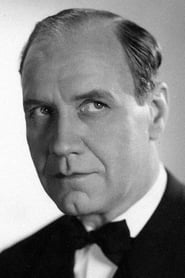
Gösta Cederlund
Actor
Born: March 6, 1888 in Stockholm, Sweden Died: February 8, 1963 Active: 1917-1920 Birth Name: Gustaf Cederlund
Films
6 films
About Gösta Cederlund
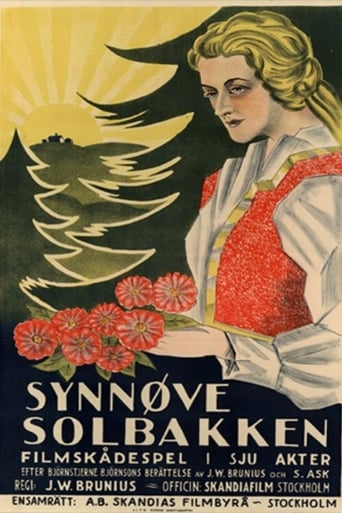
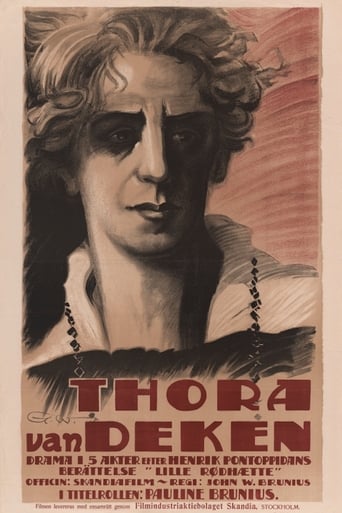
Prominent Swedish actor during the silent film era, best known for his work in the late 1910s and early 1920s. He began his film career with notable appearances in Victor Sjöström's productions, including the critically acclaimed 'The Girl from the Marsh Croft' (1917), which established him as a reliable character actor in Swedish cinema. His performance in 'The Fairy of Solbakken' (1919) further solidified his reputation, showcasing his ability to portray complex emotional characters typical of the Golden Age of Swedish silent film. In 1920, he delivered a memorable performance in 'Thora van Deken,' demonstrating his range in psychological dramas. While his film career was relatively brief, spanning primarily from 1917 to 1920, Cederlund's contributions came during what many consider the peak of Swedish silent cinema's artistic achievement. His work reflected the sophisticated storytelling and psychological depth that characterized Swedish films of this period, working alongside some of the era's most respected directors. After his brief film career, Cederlund appears to have returned to stage acting or other pursuits, as his filmography remains concentrated in this specific four-year period.
The Craft
On Screen
Cederlund embodied the naturalistic acting style that characterized the Golden Age of Swedish cinema, emphasizing subtle emotional expression and psychological depth over the exaggerated gestures common in silent film. His performances were marked by a restrained yet powerful emotional range, allowing him to convey complex inner states through minimal means. Working within the Swedish tradition of psychological realism, he brought authenticity and gravitas to his character roles, particularly in dramatic and romantic contexts.
Milestones
- Breakthrough role in 'The Girl from the Marsh Croft' (1917)
- Starring role in 'The Fairy of Solbakken' (1919)
- Critical acclaim for 'Thora van Deken' (1920)
- Work during the Golden Age of Swedish silent cinema
Best Known For
Iconic Roles
Must-See Films
Accolades
Special Recognition
- Recognized as part of Sweden's Golden Age of silent cinema
Working Relationships
Worked Often With
Studios
Why They Matter
Impact on Culture
Gösta Cederlund contributed to what film historians now recognize as the Golden Age of Swedish cinema (1917-1924), a period when Swedish films achieved international acclaim for their artistic sophistication and psychological depth. His work in films like 'The Girl from the Marsh Croft' helped establish Sweden as a major force in world cinema during the silent era, alongside contemporaries like Victor Sjöström and Mauritz Stiller. These films influenced international filmmakers, including Hollywood directors who admired the naturalistic style and technical innovation of Swedish cinema. Cederlund's performances exemplified the restrained, psychologically nuanced acting style that would later influence method acting and more naturalistic approaches to film performance.
Lasting Legacy
Gösta Cederlund's legacy is preserved through his participation in some of the most significant films of the Swedish silent era. Though his film career was brief, his work in 'The Girl from the Marsh Croft' and other productions continues to be studied by film scholars and enthusiasts interested in the Golden Age of Swedish cinema. These films have been preserved and restored by film archives, ensuring that future generations can appreciate the artistry of this period. Cederlund represents the generation of actors who helped establish Sweden's reputation for producing psychologically sophisticated and artistically ambitious films during the silent era.
Who They Inspired
While not as widely known as some of his contemporaries, Cederlund's naturalistic acting style contributed to the broader movement away from theatrical acting in silent film toward more screen-appropriate performance techniques. His work in Swedish psychological dramas helped demonstrate the power of subtle, restrained performance in conveying complex emotions on screen, influencing subsequent generations of actors in both Swedish and international cinema.
Off Screen
Gösta Cederlund was born in Stockholm in 1888 and lived through Sweden's transformation into a modern industrial nation. His career coincided with what many film historians consider the peak of Swedish artistic cinema, before the industry's decline in the 1920s. After his brief but notable film career, he appears to have returned to other pursuits, possibly stage acting or private life, as there are few records of his later activities. He lived to see the revival of interest in Swedish silent cinema during the 1950s and 1960s, dying in Stockholm in 1963 at age 74.
Education
Likely received theatrical training in Stockholm during the early 1900s, though specific educational details are not well documented in available sources.
Did You Know?
- His birth name was Gustaf Cederlund, but he used the shortened form 'Gösta' professionally
- His entire known film career spans only four years (1917-1920)
- He worked during what film historians call the 'Golden Age of Swedish Cinema'
- 'The Girl from the Marsh Croft' (1917) was based on a famous Swedish novel by Selma Lagerlöf
- Swedish films of this period were known for their innovative use of location shooting and natural lighting
- His films were distributed internationally, helping establish Sweden's reputation for quality cinema
- Many Swedish films from this era were lost, but his major works have been preserved
- He worked with director Victor Sjöström, who later became a prominent Hollywood director
- The early 1920s saw a decline in Swedish film production, which may explain his brief career
- His acting style reflected the Swedish tradition of psychological realism in literature and theater
Frequently Asked Questions
Who was Gösta Cederlund?
Swedish with credits in this catalog. He is best known for his roles in significant Swedish films like 'The Girl from the Marsh Croft' and 'The Fairy of Solbakken,' which were produced during what is considered the Golden Age of Swedish cinema.
What films is Gösta Cederlund best known for?
Titles linked here include The Girl from the Marsh Croft (1917), The Fairy of Solbakken (1919).
When was Gösta Cederlund born and when did he die?
Born March 6, 1888; died February 8, 1963.
What awards did Gösta Cederlund win?
There are no documented major awards or nominations for Gösta Cederlund from his film career, which was relatively brief and occurred before the establishment of many formal film awards. His recognition comes primarily from his participation in historically significant Swedish silent films.
What was Gösta Cederlund's acting style?
Cederlund embodied the naturalistic acting style characteristic of the Golden Age of Swedish cinema, emphasizing subtle emotional expression and psychological depth over theatrical exaggeration. His performances were marked by restraint and authenticity, reflecting the Swedish tradition of psychological realism in both literature and film.