Films
4 films
About Ellen Dall
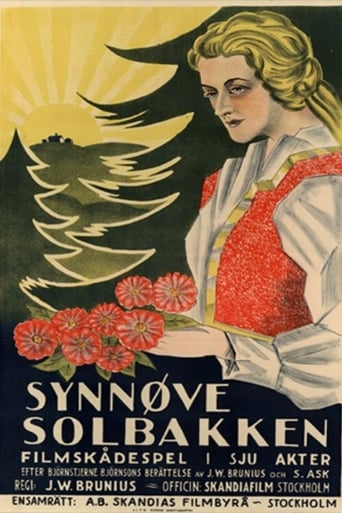
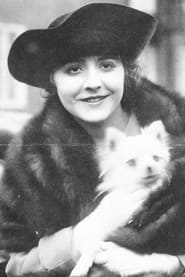
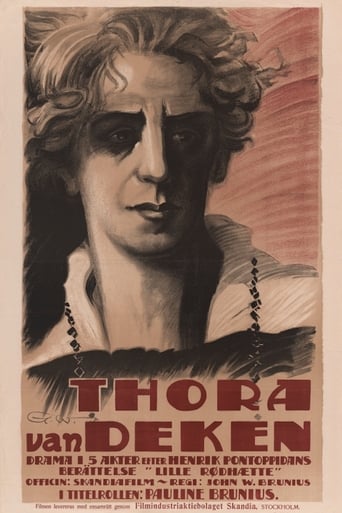
Silent film actress who had a brief but notable career in the late 1910s and early 1920s. Ellen appears primarily in Scandinavian cinema productions during the golden age of silent films in Northern Europe. Her most recognized performances were in 'The Fairy of Solbakken' (1919) and 'Thora van Deken' (1920), both of which were adaptations of literary works. Like many actors of her era, Dall's career was relatively short-lived, spanning only about two years of documented film work. She was part of the transition from theatrical acting styles to the more naturalistic approach required for cinema. Her filmography, though limited, places her among the generation of film actors in Scandinavian cinema. Unfortunately, detailed records about her life and career are scarce, which is common for supporting actors from the silent era whose careers ended before the transition to sound.
The Craft
Milestones
- Appeared in 'The Fairy of Solbakken' (1919)
- Starred in 'Thora van Deken' (1920)
- Worked during the golden age of Scandinavian silent cinema
Best Known For
Must-See Films
Why They Matter
Impact on Culture
Ellen Dall's contribution to cinema, while modest in scale, represents the broader cultural movement of Scandinavian silent film production in the early 20th century. Her participation in adaptations of literary works reflects the era's trend of bringing classic literature to the silver screen, helping to preserve and popularize cultural heritage through the new medium of film. Though her individual impact was limited by her brief career, she was part of the foundational generation of actors who helped establish the acting techniques and conventions of silent cinema in Northern Europe.
Lasting Legacy
Ellen Dall's legacy is preserved primarily through her surviving film work, which serves as a valuable artifact of early Scandinavian cinema. Her performances in 'The Fairy of Solbakken' and 'Thora van Deken' provide modern audiences and film historians with insight into the acting styles and production values of the era. While she did not achieve lasting fame, her work contributes to the broader understanding of silent film history and the development of cinema as an art form in Scandinavia.
Who They Inspired
Due to the brevity of her career and the limited documentation of her work, Ellen Dall's direct influence on subsequent generations of actors and filmmakers is difficult to trace. However, like all actors of her generation, she contributed to the evolution of screen acting techniques during the crucial transition from stage to film performance that defined the silent era.
Off Screen
Very little is documented about Ellen Dall's personal life, which is typical for minor actors from the silent era whose careers were brief and who did not achieve significant fame. Historical records from this period, especially for supporting actors in Scandinavian cinema, are often incomplete or lost to time.
Did You Know?
- Ellen Dall's film career lasted only two documented years
- Both of her known films were adaptations of literary works
- She worked during the peak period of Scandinavian silent cinema
- Her films were produced during the same era as major works by directors like Victor Sjöström and Mauritz Stiller
- Very little biographical information about her survives, which is common for supporting actors of the silent era
- Her films represent the important trend of literary adaptations in early cinema
Frequently Asked Questions
Who was Ellen Dall?
Silent film actress active in 1919-1920, known for her roles in Scandinavian films 'The Fairy of Solbakken' (1919) and 'Thora van Deken' (1920). She was part of the early generation of film actors during the golden age of Scandinavian silent cinema.
What films is Ellen Dall best known for?
Titles linked here include The Fairy of Solbakken (1919), Thora van Deken (1920).
When was Ellen Dall born and when did she die?
Unfortunately, Ellen Dall's birth and death dates are not documented in available historical records, which is common for minor actors from the silent era whose careers were brief and who did not achieve significant fame.
What awards did Ellen Dall win?
There are no documented awards or nominations for Ellen Dall, which reflects the limited scope of her career and the fact that formal award systems for cinema were not yet established during her brief period of activity.
What was Ellen Dall's acting style?
While specific details about Ellen Dall's acting style are not documented, as a silent era actress she would have employed the exaggerated gestures and facial expressions typical of the period, transitioning from theatrical techniques to more film-appropriate performance methods.