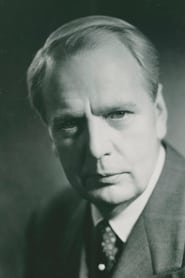
Hugo Björne
Actor
Born: February 4, 1887 in Vänersborg, Sweden Died: February 14, 1966 Active: 1913-1943 Birth Name: Hugo Adolf Björne
Films
10 films

About Hugo Björne
Prominent Swedish stage and film actor who rose to prominence during the golden age of Swedish silent cinema. Born in 1887, he began his career on the theatrical stages of Stockholm before transitioning to the burgeoning film industry in the mid-1910s. Björne quickly became a sought-after character actor, known for his commanding presence and versatility in both dramatic and supporting roles. He worked extensively with renowned directors of the Swedish silent era, including Mauritz Stiller and Victor Sjöström, appearing in several of their most celebrated productions. His film career peaked in the 1920s when he appeared in numerous significant Swedish films that gained international recognition. After the transition to sound films, Björne gradually reduced his screen appearances but continued his work in theater. He remained active in Swedish cultural life well into the 1940s, cementing his legacy as one of Sweden's respected character actors from the silent era.
The Craft
On Screen
Björne was known for his naturalistic yet powerful screen presence, typical of the sophisticated Swedish acting style of the silent era. He employed subtle facial expressions and controlled body language to convey complex emotions, avoiding the exaggerated gestures common in early cinema. His theatrical training gave him a strong command of character development, allowing him to portray both authoritative figures and sympathetic characters with equal authenticity.
Milestones
- Stage debut at Stockholm theaters in early 1910s
- Film debut in Swedish silent cinema (1913)
- Key roles in Mauritz Stiller films
- Collaboration with Victor Sjöström productions
- Transition to sound films in early 1930s
- Continued stage career throughout film work
Best Known For
Iconic Roles
Must-See Films
Accolades
Special Recognition
- Recognized as a significant contributor to Swedish Golden Age cinema
- Honored in Swedish film history archives
Working Relationships
Worked Often With
Studios
Why They Matter
Impact on Culture
Hugo Björne contributed significantly to the Swedish Golden Age of cinema, a period when Swedish films gained international recognition for their artistic merit and technical innovation. His work in films by directors like Mauritz Stiller helped establish Sweden as a major force in world cinema during the silent era. Björne's performances exemplified the sophisticated, psychologically nuanced approach to acting that characterized Swedish cinema of this period, influencing acting styles in other national cinemas.
Lasting Legacy
Hugo Björne is remembered as an important character actor of Sweden's silent film era, representing the bridge between theatrical tradition and cinematic innovation. His body of work, though not as widely known internationally as some of his contemporaries, remains significant in the context of Swedish film history. Film historians and preservationists continue to study his performances as examples of the high artistic quality achieved in Swedish silent cinema.
Who They Inspired
Björne's naturalistic acting style and versatility in character roles contributed to the development of more subtle, psychologically complex performances in silent cinema. His work alongside major Swedish directors helped establish standards for ensemble acting and character development that would influence subsequent generations of Swedish actors.
Off Screen
Hugo Björne maintained a relatively private personal life, focusing primarily on his artistic career. He was married and had children, though details about his family life remain limited in historical records. His dedication to both stage and screen acting kept him deeply involved in Stockholm's cultural scene throughout his career.
Education
Trained at Swedish acting schools and theaters, though specific educational institutions are not well-documented in historical records
Family
- Anna Björne (married 1915-1966)
Did You Know?
- One of the many Swedish actors who worked extensively with both Mauritz Stiller and Victor Sjöström
- Appeared in multiple adaptations of Selma Lagerlöf's works, a popular source for Swedish films
- His active years covered the entire transition from silent to sound films in Sweden
- Like many Swedish actors of his era, maintained simultaneous careers in theater and film
- Participated in Sweden's internationally acclaimed Golden Age of cinema (1917-1924)
- His filmography includes several lost films, common for early cinema
- Worked during a period when Swedish films were exported worldwide and critically acclaimed
- His stage name was his birth name, unusual for actors of the period
In Their Own Words
No widely documented quotes attributed to Hugo Björne in available historical sources
Frequently Asked Questions
Who was Hugo Björne?
Swedish with credits in this catalog. He appeared in numerous significant films directed by masters like Mauritz Stiller and Victor Sjöström, while also maintaining a successful stage career.
What films is Hugo Björne best known for?
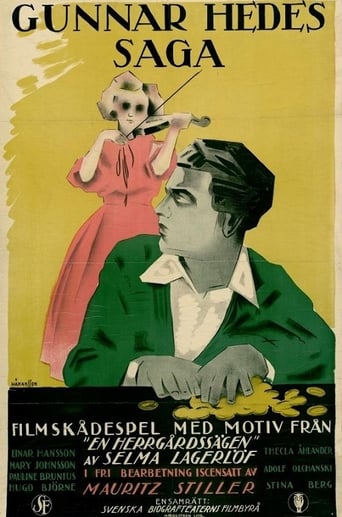
Titles linked here include Thomas Graal's Best Child (1918), Gunnar Hede's Saga (1923).
When was Hugo Björne born and when did he die?
Born February 4, 1887; died February 14, 1966.
What awards did Hugo Björne win?
While specific awards for Hugo Björne are not widely documented in available sources, he is recognized in Swedish film history as a significant contributor to the Golden Age of Swedish cinema. His legacy is preserved through his performances in historically important films.
What was Hugo Björne's acting style?
Björne was known for his naturalistic and sophisticated acting style, typical of the Swedish approach to silent cinema. He employed subtle expressions and controlled movements rather than exaggerated gestures, bringing psychological depth to his character roles.
Did Hugo Björne work in sound films?
Yes, Hugo Björne's career extended into the sound era, though he was most prominent during the silent period. He continued acting in films through the early 1940s while maintaining his theater career.
Who were Hugo Björne's frequent collaborators?
Björne frequently worked with renowned Swedish directors Mauritz Stiller and Victor Sjöström, who were central figures in Sweden's Golden Age of cinema. He also appeared alongside notable Swedish actors like Karin Molander and Greta Almroth.