Thomas Graal's Best Child
"The destabilization of the marriage begins right at the wedding (which contains some."
Keys: Space play/pause · ←/→ 10s · F fullscreen · M mute · </> speed
About this film
Frau Bessie, once a madcap, aristocratic and modern Swedish fraulein, has become now a whimsical and conservative Swedish burgess after her marriage to Herr Thomas Graal. The destabilization of the marriage begins right at the wedding (which contains some hilarious incidents) whe
Cast & crew
More films like this
More Comedy films
View all →







More from Mauritz Stiller
View all →
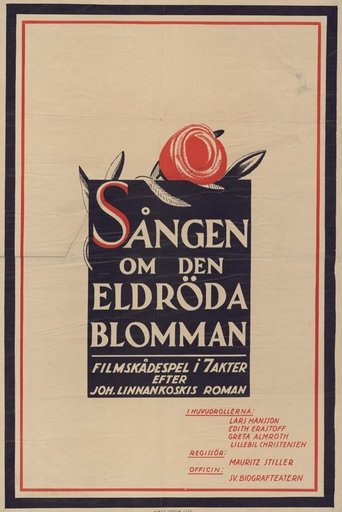
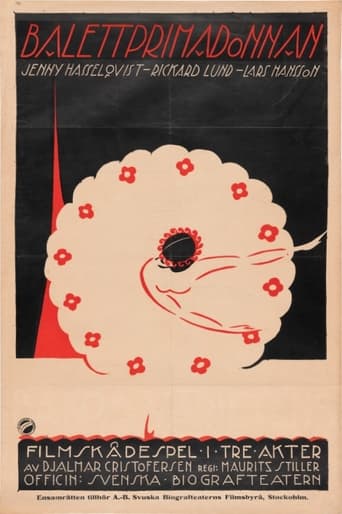
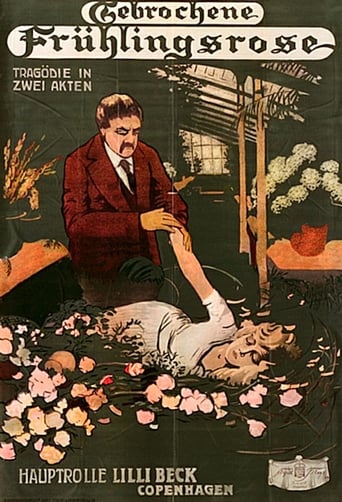
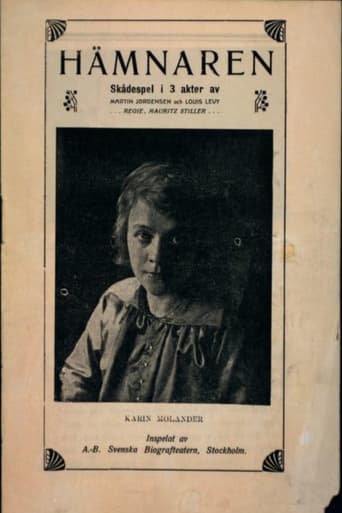
More about this film
About the production
Release dateDecember 26, 1918
Box officeBox office records from 1918 are not available, but the film was commercially successful in Sweden and internationally
ProductionSvenska Biografteatern
Filmed inStockholm, Sweden, Studio locations in the Stockholm area
The sequel to the popular 1917 film 'Thomas Graal's Best Film,' continuing the story of the literary couple. The film was produced during the height of Sweden's golden age of silent cinema, when the country was producing some of Europe's most sophisticated films. Director Mauritz Stiller and star Victor Sjöström were both major figures in Swedish cinema who would later influence Hollywood significantly.
Themes
Gender conflict in modern marriageCompromise in relationshipsTraditional vs. modern valuesThe transition from single to married lifeSocial expectations and individual desires
Themes & topics
marriagegender conflictcomedy of mannersSwedish cinemasilent filmdomestic comedyromantic conflictsocial satireurban lifemodern relationships
Historical background
Made in 1918, in Sweden, under Mauritz Stiller, Thomas Graal's Best Child belongs to silent filmmaking amid the silent era's rapid stylistic experiments.
Why this film matters
Within silent history, Mauritz Stiller's name attaches to the work; surviving prints help researchers study silent-era craft; 1918 film by Mauritz Stiller.
Making of
The production of 'Thomas Graal's Best Child' took place during a remarkable period in Swedish cinema when the country's film industry was producing some of the most artistically sophisticated works in Europe. Director Mauritz Stiller was known for his meticulous attention to detail and his ability to extract naturalistic performances from his actors. The film was shot primarily at Svenska Biografteatern's studios in Stockholm, with extensive location shooting around the city to capture the authentic Swedish atmosphere. The chemistry between Victor Sjöström and Karin Molander was so convincing that audiences believed they were genuinely married off-screen. The film's comedic timing and visual gags required extensive rehearsal, as silent film comedy depended heavily on precise physical acting and visual storytelling. The production team faced challenges typical of the era, including limited lighting equipment and the need to shoot scenes in natural light whenever possible.
What critics said
Contemporary reviews of Thomas Graal's Best Child are sparse in open sources; later catalog entries chiefly summarize plot and credits.
Did you know?
- The second film in what became a trilogy about Thomas Graal, following 'Thomas Graal's Best Film' (1917) and preceding 'Thomas Graal's First Child' (1919)
- Victor Sjöström, who plays Thomas Graal, was actually one of Sweden's most celebrated directors during this period, second only to Stiller himself
- The film's title in Swedish is 'Thomas Graals bästa barn,' which literally translates to 'Thomas Graal's Best Child'
- Mauritz Stiller discovered Greta Garbo and brought her to Hollywood, though she did not appear in this film
- Shot during the final year of World War I, though Sweden remained neutral throughout the conflict
- Karin Molander was married to director Gustaf Molander, another important figure in Swedish cinema
- The sophisticated comedy style that made Swedish cinema internationally renowned before Hollywood's dominance
- Many of the film's exterior shots were filmed on location in Stockholm, showing the city's architecture and lifestyle in the 1910s
- The film's theme of gender conflict was quite progressive for its time, addressing changing roles in modern society
- Prints of the film were distributed internationally, including in the United States where it was promoted as 'A Swedish Comedy of Married Life'
Visual style
The cinematography by Julius Jaenzon showcases the sophisticated visual style that made Swedish cinema renowned during this period. Jaenzon employed natural lighting techniques that gave the film a realistic, almost documentary-like quality despite its comedic nature. The use of location shooting in Stockholm provided authentic urban backdrops that contrasted with the more controlled studio scenes. The camera work demonstrates the emerging techniques of the era, including subtle camera movements and framing that emphasized character emotions and relationships. The film's visual composition balanced comedy with intimacy, using wider shots for comedic sequences and closer framing for emotional moments.
Innovations
Several technical innovations typical of Swedish cinema's golden age. The use of natural lighting, particularly in exterior scenes, created a visual authenticity that was uncommon in contemporary European cinema. The film's editing showed sophisticated understanding of rhythm and pacing, particularly in comedic sequences where timing was crucial. The production's use of actual Stockholm locations rather than studio backlot sets represented a commitment to realism that influenced international filmmaking practices. The film's preservation of multiple camera angles and takes showed the technical sophistication of Svenska Biografteatern's production facilities.
Music
As a silent film, 'Thomas Graal's Best Child' was originally accompanied by live musical performance. The typical screening would have featured a pianist or small orchestra playing a combination of popular Swedish melodies, classical pieces, and original compositions. The music would have been synchronized with the on-screen action, with lively tunes for comedic scenes and romantic melodies for intimate moments. The score likely included works by Swedish composers as well as popular European classical music of the period. Modern screenings of restored versions often feature newly composed scores or period-appropriate music selections.
Famous quotes
As a silent film, the dialogue was conveyed through intertitles and visual storytelling rather than spoken quotes
Memorable scenes
- The chaotic wedding reception where the central conflict is first established
- The series of comedic attempts by both spouses to influence their future child's gender
- The climactic scandal scene that threatens to end the marriage
- The final reconciliation scene where the couple learns to compromise
What audiences thought
Enthusiastically received by Swedish audiences, who appreciated its contemporary setting and relatable portrayal of marital conflicts. The Thomas Graal character had already become popular from the previous film, and audiences enjoyed seeing his continued adventures. The film's success at the Swedish box office led to the production of the third installment in the series. International audiences, particularly in Germany where Swedish films were popular, also embraced the film's sophisticated comedy style. The film's themes of gender conflict and marital compromise resonated strongly with post-war audiences who were experiencing significant social changes in their own lives.
Film connections
Influenced by
- Influenced by the sophisticated comedy traditions of European theater, particularly Swedish stage comedy
- It drew inspiration from the growing genre of domestic comedy that was becoming popular in European cinema
- The naturalistic acting style was influenced by the emerging realist movement in European arts
This film influenced
- The Thomas Graal trilogy influenced later Swedish domestic comedies
- The film's approach to marital comedy influenced Hollywood romantic comedies of the 1920s and 1930s
- It contributed to the development of the sophisticated romantic comedy genre in international cinema
Film restoration
Preserved in the Swedish Film Institute's archive. While some deterioration has occurred over the century, the film remains viewable and has been restored for modern screenings. The Swedish Film Institute has undertaken preservation efforts to maintain this important example of Swedish cinema's golden age. The film exists in its complete form, though some original nitrate prints have been lost to decomposition over time.
Where to watch
- Available through the Swedish Film Institute's streaming platform for academic and archival purposes
- Some European film archives occasionally screen restored versions
- The film may be available through specialized silent film streaming services
- DVD releases exist through European specialty cinema distributors
- Film festivals focusing on silent or Scandinavian cinema occasionally include this film in their programming