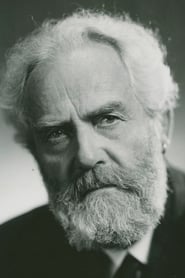
Victor Sjöström
Actor & Director
Born: September 20, 1879 in Silbodal, Värmland, Sweden Died: January 3, 1960 Active: 1912-1957 Birth Name: Victor David Sjöström
Films
21 films
A Man There Was
1917
Karin, Daughter of Ingmar
1920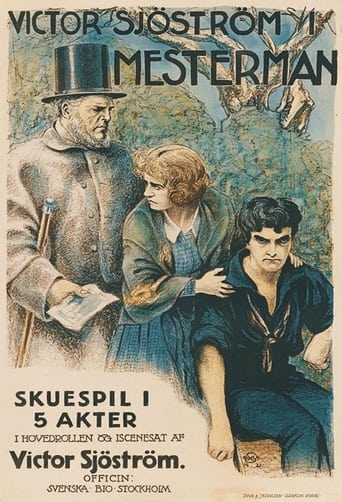
A Lover in Pawn
1920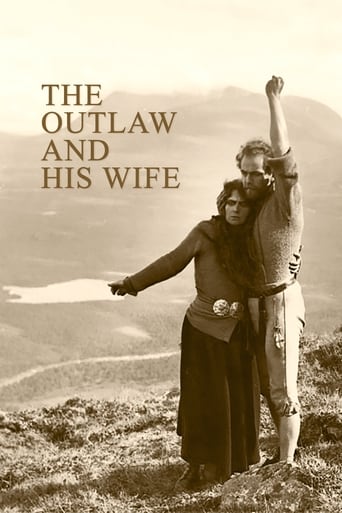
The Outlaw and His Wife
1918
He Who Gets Slapped
1924
The Girl from the Marsh Croft
1917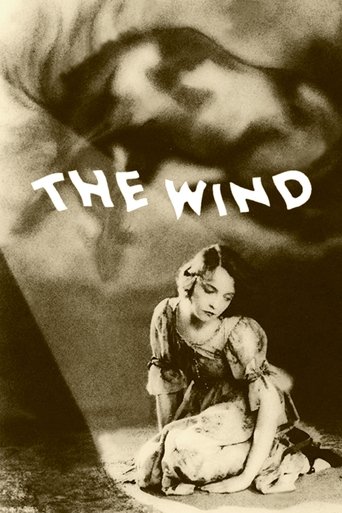
The Wind
1928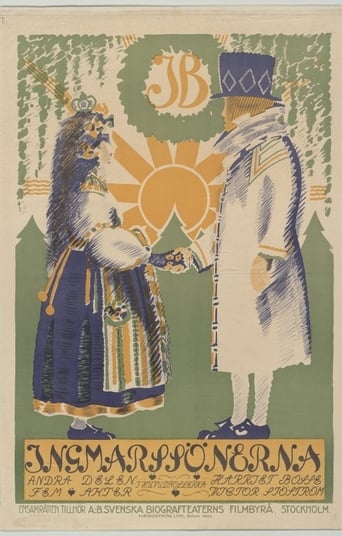
Sons of Ingmar
1919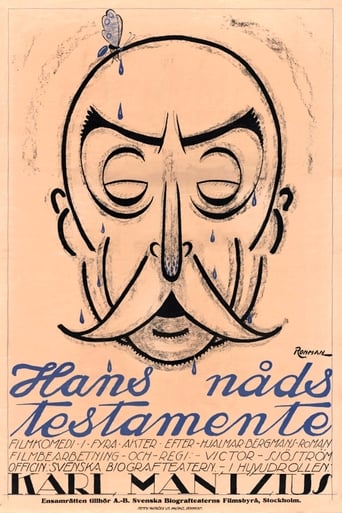
His Lord's Will
1919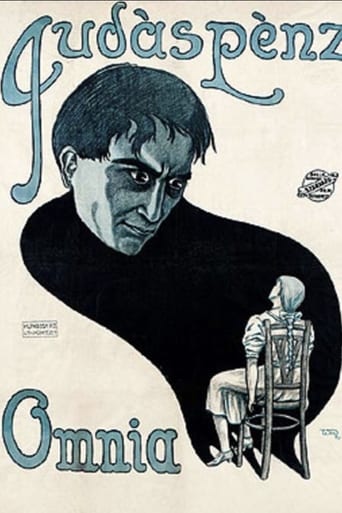
The Price of Betrayal
1915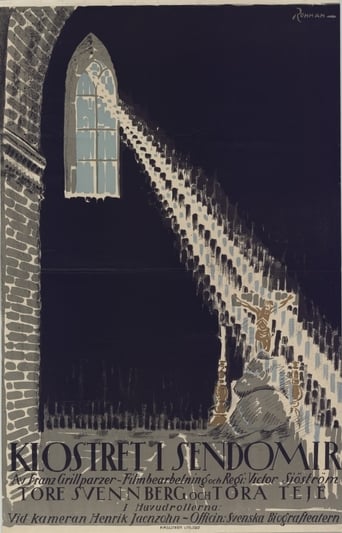
The Monastery of Sendomir
1920No Poster
Thomas Graal's Best Child
1918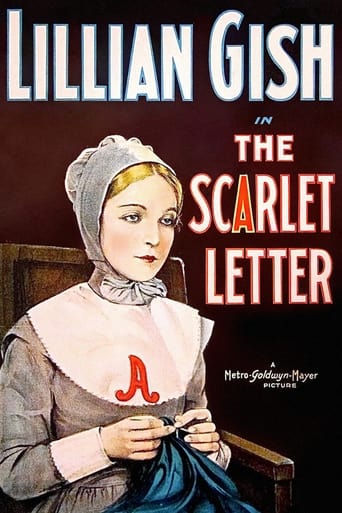
The Scarlet Letter
1926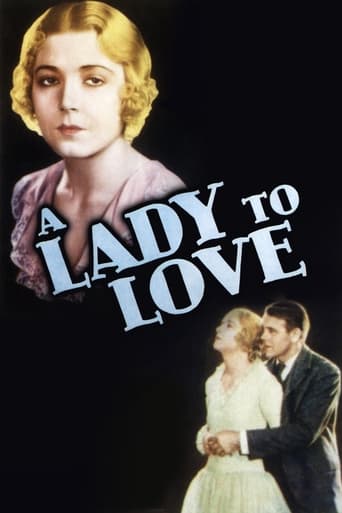
A Lady to Love
1930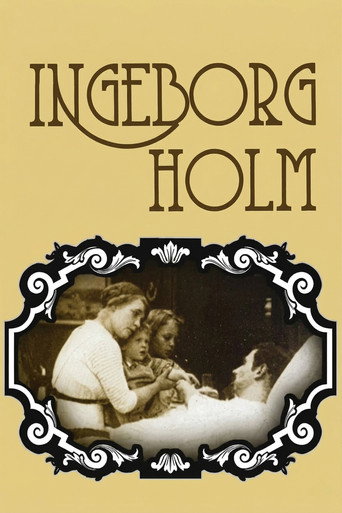
Ingeborg Holm
1913
Kiss of Death
1916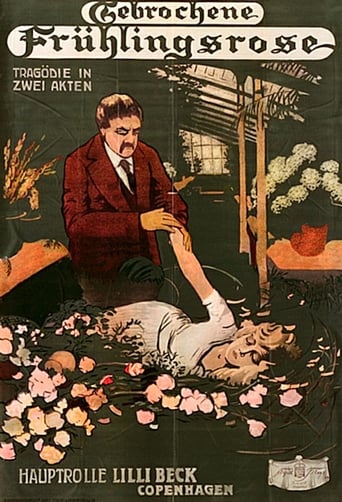
The Gardener
1912
Thomas Graal's Best Film
1917
The Springtime of Life
1912
The Sea Vultures
1916About Victor Sjöström
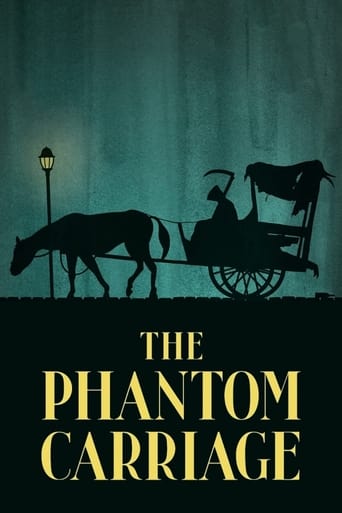
Swedish film director and actor who in establishing Swedish cinema's international reputation during the silent era. Beginning his career as a theater actor, he transitioned to filmmaking in 1912 and quickly became one of Sweden's most important directors, creating masterpieces like 'The Outlaw and His Wife' (1918) and 'The Phantom Carriage' (1921). His innovative use of natural locations, atmospheric lighting, and psychological depth influenced filmmakers worldwide. In 1924, he was recruited by MGM and moved to Hollywood, where he directed several successful films including 'He Who Gets Slapped' (1924) starring Lon Chaney. After returning to Sweden in the 1930s, he focused primarily on acting while occasionally directing. His career came full circle when he delivered a powerful performance as the elderly professor in Ingmar Bergman's 'Wild Strawberries' (1957), which is now considered one of cinema's greatest performances by an elderly actor. Sjöström's legacy spans both his directorial innovations that shaped cinematic language and his profound acting that bridged the silent and sound eras.
The Craft
On Screen
Known for his naturalistic and emotionally restrained performances, Sjöström brought psychological depth to his characters through subtle facial expressions and body language. His acting style evolved from theatrical melodrama in his early career to a more nuanced, introspective approach, particularly evident in his later roles. He had a remarkable ability to convey complex emotions with minimal gestures, making him perfectly suited for both silent films and the emerging sound era.
Behind the Camera
Sjöström's directing style was characterized by its atmospheric intensity, psychological complexity, and innovative use of natural landscapes as integral elements of storytelling. He pioneered techniques in lighting, particularly his use of shadows and natural light to create mood and symbolism. His films often explored themes of guilt, redemption, and the human condition, with a distinctive blend of realism and mysticism. He was among the first directors to use extensive location shooting rather than studio sets, giving his films an authentic, documentary-like quality that influenced generations of filmmakers.
Milestones
- Directed over 40 films in Sweden during the silent era
- Created 'The Phantom Carriage' (1921), considered his masterpiece
- Worked at MGM in Hollywood during the 1920s
- Returned to Sweden to continue his career in the 1930s
- Delivered acclaimed performance in Ingmar Bergman's 'Wild Strawberries' (1957)
- Pioneered location shooting and natural lighting techniques
- Mentored and influenced Ingmar Bergman and other Swedish directors
Best Known For
Iconic Roles
Must-See Films
Accolades
Won
- Honorary Bodil Award (1952)
- Royal Order of Vasa (Sweden)
- Swedish Film Institute's Victor Sjöström Award (named in his honor)
Nominated
- Golden Lion at Venice Film Festival for 'Wild Strawberries' (1958)
- BAFTA Film Award for Best Foreign Actor for 'Wild Strawberries' (1959)
Special Recognition
- Hollywood Walk of Fame star (6601 Hollywood Blvd)
- Swedish postage stamp issued in his honor (1979)
- Victor Sjöström Award established by Swedish Film Institute
Working Relationships
Worked Often With
Studios
Why They Matter
Impact on Culture
Victor Sjöström's impact on cinema extends far beyond his native Sweden, influencing the development of film language worldwide. His innovative use of natural lighting and location shooting helped establish a more realistic approach to filmmaking that contrasted with the artificial studio-bound productions common in his era. His psychological depth and exploration of moral themes elevated cinema from mere entertainment to a serious art form capable of profound philosophical inquiry. The techniques he developed in creating atmosphere through landscape and weather influenced countless directors, from Carl Theodor Dreyer to Ingmar Bergman. His cross-cultural success, working in both Swedish and Hollywood cinema, helped establish the international nature of film art and proved that cinema could transcend national boundaries.
Lasting Legacy
Victor Sjöström's legacy encompasses both his groundbreaking directorial work during the silent era and his powerful late-career acting performances. He is remembered as one of the founding fathers of Swedish cinema's golden age, creating films that combined technical innovation with profound humanism. His masterpiece 'The Phantom Carriage' continues to be studied for its innovative narrative structure and visual techniques, while his performance in 'Wild Strawberries' stands as one of cinema's most moving portrayals of aging and reflection. The Victor Sjöström Award, established by the Swedish Film Institute, continues to honor excellence in Swedish filmmaking, ensuring his influence on future generations. His work bridged the gap between theatrical tradition and cinematic innovation, helping to establish film as a distinct art form capable of expressing complex psychological states and philosophical ideas.
Who They Inspired
Sjöström's influence on subsequent filmmakers is immeasurable, particularly on his compatriot Ingmar Bergman, who considered him a mentor and father figure. His use of landscape as a psychological element influenced directors like Terrence Malick and Andrei Tarkovsky. The atmospheric techniques he developed in 'The Phantom Carriage' influenced horror and supernatural filmmakers for decades. His naturalistic acting style influenced the transition from theatrical to cinematic performance methods. His cross-cultural career path, from Sweden to Hollywood and back, became a model for international filmmakers. The psychological depth and moral complexity of his films helped establish cinema as a medium for serious artistic expression, influencing the auteur theory that would emerge in the 1950s and 1960s.
Off Screen
Sjöström's personal life was marked by both professional success and personal challenges. He married actress Edith Aaltonen in 1910, though the marriage ended in divorce. In 1922, he married actress Inga Tidblad, but this marriage also ended in divorce. He had two daughters from his first marriage. Despite his international success, Sjöström remained deeply connected to his Swedish roots and returned to Sweden after his Hollywood period. He spent his later years living quietly in Stockholm, occasionally appearing in films and mentoring younger filmmakers, particularly Ingmar Bergman who regarded him as a father figure in Swedish cinema.
Education
Studied at the Royal Dramatic Theatre's acting school in Stockholm
Family
- Edith Aaltonen (1910-1919)
- Inga Tidblad (1922-1928)
Did You Know?
- Was one of the first directors to use extensive location shooting instead of studio sets
- His film 'The Phantom Carriage' used an innovative special effect technique that influenced Alfred Hitchcock's 'Vertigo'
- Greta Garbo's first film role was in Sjöström's 'The Outlaw and His Wife' (1918)
- He directed his last film in 1937 but continued acting for another 20 years
- His performance in 'Wild Strawberries' was entirely improvised in many scenes
- He was originally offered the lead in 'The Seventh Seal' but declined, leading to Max von Sydow's casting
- His Hollywood films were often more commercially successful than critically acclaimed during his lifetime
- He was a close friend of fellow Swedish director Mauritz Stiller, who also worked in Hollywood
- His birthplace was renamed Sjöström in his honor for a period
- He taught at the Royal Dramatic Theatre's acting school after retiring from films
- His films were banned in several countries for their controversial themes
- He was fluent in Swedish, English, and German, which helped his international career
In Their Own Words
The camera is a pen with which I can write poetry on the silver screen
In film, as in life, the truth lies not in what we show, but in what we choose to leave unseen
Nature is not merely a backdrop for human drama; it is a character in its own right
The greatest films are those that make us feel rather than think
Silence can speak louder than words when the camera knows where to look
Frequently Asked Questions
Who was Victor Sjöström?
Swedish on YTB.my. He was known for his atmospheric films and psychological depth, both as a director of masterpieces like 'The Phantom Carriage' and as an actor, particularly in his acclaimed late performance in 'Wild Strawberries'.
What films is Victor Sjöström best known for?
Titles linked here include The Phantom Carriage (1921), The Outlaw and His Wife (1918).
When was Victor Sjöström born and when did he die?
Born September 20, 1879; died January 3, 1960.
What awards did Victor Sjöström win?
Sjöström received numerous honors including the Honorary Bodil Award (1952), the Royal Order of Vasa from Sweden, and a star on the Hollywood Walk of Fame. The Swedish Film Institute established the Victor Sjöström Award in his honor to recognize excellence in Swedish filmmaking.
What was Victor Sjöström's directing style?
Sjöström's directing style was characterized by atmospheric intensity, psychological complexity, and innovative use of natural landscapes. He pioneered techniques in lighting and location shooting, often exploring themes of guilt and redemption with a distinctive blend of realism and mysticism that influenced generations of filmmakers.
How did Victor Sjöström influence other filmmakers?
Sjöström deeply influenced Ingmar Bergman, who considered him a mentor, and his techniques affected directors like Carl Theodor Dreyer and Andrei Tarkovsky. His atmospheric methods and psychological approach to filmmaking helped establish cinema as a serious art form capable of profound expression.
Did Victor Sjöström work in Hollywood?
Yes, Sjöström worked in Hollywood during the 1920s after being recruited by MGM. He directed several successful films there including 'He Who Gets Slapped' (1924) with Lon Chaney and 'The Wind' (1928) with Lillian Gish before returning to Sweden in the 1930s.