
The Phantom Carriage
"Midnight debt to the reaper"
Keys: Space play/pause · ←/→ 10s · F fullscreen · M mute · </> speed
About this film
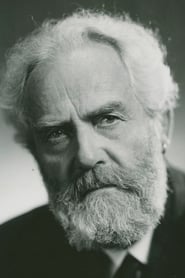
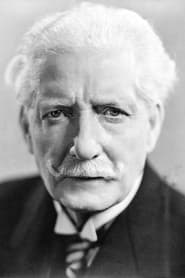
Drunkard David Holm learns on New Year's Eve that the last soul to die each year must drive Death's carriage. Victor Sjöström's double-exposure fable intercuts past cruelty with redemptive flashbacks.
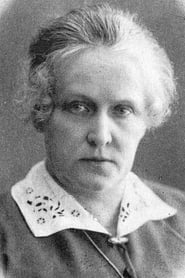
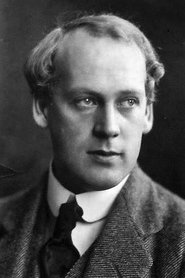
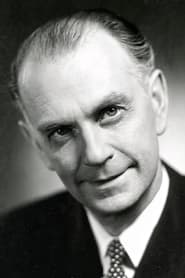
Cast & crew
More Drama films
View all →






More from Victor Sjöström
View all →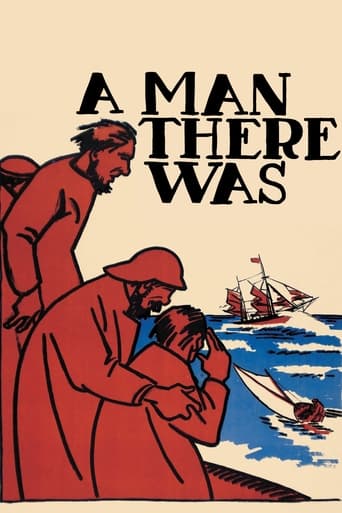


More about this film
About the production
Release dateJanuary 1, 1921 (Sweden)
BudgetApproximately 65,000 Swedish kronor (a substantial budget for Swedish cinema in 1921)
Box officeHighly successful internationally, particularly in Germany and France, though exact figures are not documented from the era
ProductionSvenska Biografteatern, Mauritz Stiller Filmproduktion
Filmed inStockholm, Sweden, Råsunda Studios in Solna, Sweden
The production required extensive planning for the revolutionary special effects, particularly the multiple exposure sequences. Director Victor Sjöström developed innovative techniques with cinematographer Julius Jaenzon to create the ghost effects entirely in-camera. The winter scenes were shot using a combination of real snow and artificial effects, with production often halted due to weather conditions. The film's complex narrative structure required meticulous storyboarding and coordination between different time periods. The production team built custom camera equipment to achieve the seamless transitions between reality and supernatural elements. The casting process was rigorous, with Sjöström personally selecting actors who could convey deep emotion through silent performance. The film's success led to increased international investment in Swedish cinema productions.
Historical background
Made in 1921 Sweden, the film drew on Selma Lagerlöf's novel and folk belief during a period of national literary prestige.
Why this film matters
Ingmar Bergman later cast Sjöström in Wild Strawberries, citing The Phantom Carriage as a formative Swedish masterpiece.
Making of
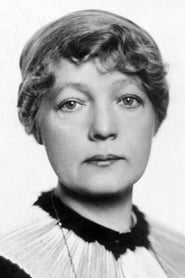
The making of 'The Phantom Carriage' was marked by extraordinary technical innovation and artistic ambition. Director Victor Sjöström worked closely with cinematographer Julius Jaenzon to develop revolutionary multiple exposure techniques that allowed ghosts to appear transparent and interact with living characters. These effects were achieved entirely in-camera, requiring actors to perform the same scenes multiple times with precise timing. The production team built custom camera rigs and developed specialized lighting setups to control the exposure levels for each layer of the composite images. The winter atmosphere was created through a combination of location shooting in actual Swedish winter conditions and studio effects using salt and gypsum for artificial snow. Sjöström insisted on authentic locations for many scenes, taking the crew to actual Salvation Army shelters and working-class neighborhoods to maintain social realism. The casting process was extensive, with Sjöström selecting Hilda Borgström for the role of Anna after being impressed by her ability to convey tuberculosis symptoms through subtle physical performance. The film's editing was particularly complex, requiring precise synchronization between the multiple time periods and narrative layers. The production faced significant challenges in creating the supernatural carriage sequence, which involved miniature models, forced perspective, and carefully choreographed horse movements. The film's score was composed to enhance the emotional impact of each scene, with different musical themes for the various narrative periods and supernatural elements.
What critics said
Revived repeatedly after restoration; critics praise its technical ambition and moral severity.
Did you know?
- Victor Sjöström both directed and starred in the film, playing the lead role of David Holm while managing the complex production
- The film's innovative multiple exposure techniques were so advanced that they influenced special effects in cinema for decades
- Author Selma Lagerlöf, who wrote the source novel, was the first woman to win the Nobel Prize in Literature (1909)
- Ingmar Bergman considered this his greatest influence and reportedly screened it every New Year's Eve
- The ghost effects were achieved entirely in-camera without post-production manipulation, requiring precise timing and multiple takes
- The film was remade three times: in 1939 (France), 1954 (Sweden), and 1958 (Japan as 'The Ghost of Yotsuya')
- The original negative was thought lost for decades before being discovered in the Swedish Film Institute's archives
- The film's complex narrative structure with nested flashbacks was highly unusual and sophisticated for its time
- The production team developed special matte painting techniques to create the supernatural environments
- The film's anti-alcohol message was particularly powerful during the era of Prohibition in America
- The scene where David's ghost rises from his body took three days to film and required perfect synchronization
- The film was one of the first Swedish productions to achieve major international success and critical acclaim
Awards & recognition
- Gold Medal at the International Film Exhibition in London (1921)
- Grand Prize at the International Cinema Exposition in Paris (1921)
- Swedish Film Institute's Highest Honor for Artistic Merit (1921)
- National Society of Film Critics' Heritage Award (1965)
- Included in the National Film Registry (2008)
- Special Citation from the New York Film Critics Circle for Historical Significance (1972)
- Honored at the Venice Film Festival Classic Cinema Retrospective (1956)
- Preservation Award from the International Federation of Film Archives (1995)
What audiences thought
The Phantom Carriage was a tremendous success with audiences upon its release and continues to captivate viewers over a century later. In Sweden, the film broke box office records, with theaters reporting extended runs and sold-out performances. International audiences responded enthusiastically to the film's emotional story and visual spectacle, with many reporting being deeply moved by its
Where to watch
- Internet Archive: https://archive.org/details/PhantomCarraige