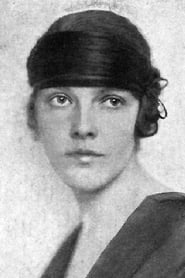
Astrid Holm
Actor
Born: February 28, 1893 in Stockholm, Sweden Died: October 29, 1961 Active: 1921-1922 Birth Name: Astrid Maria Holm
Films
4 films
About Astrid Holm
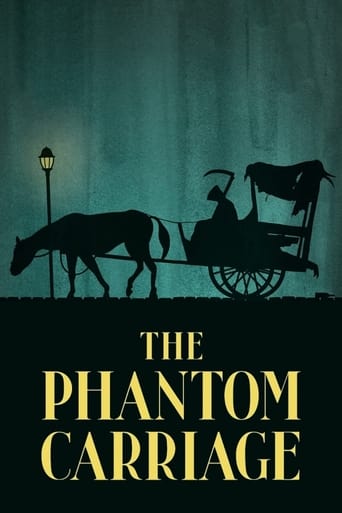
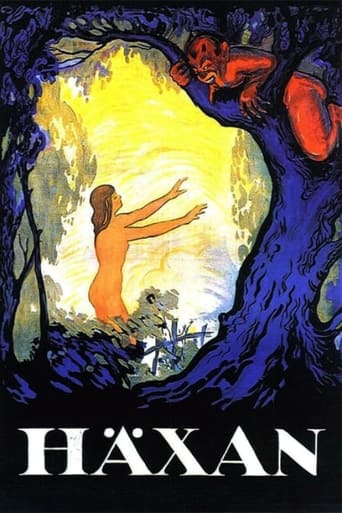
Made her mark during the golden age of Swedish silent cinema in the early 1920s. Her career, though brief, coincided with creative periods in Swedish film history, where she worked with directors Victor Sjöström and Benjamin Christensen. Holm gained international recognition for her role as Edit in Sjöström's masterpiece 'The Phantom Carriage' (1921), a film that showcased her ability to convey deep emotion through the subtle techniques of silent acting. In 1922, she further demonstrated her versatility by appearing in Christensen's horror documentary 'Häxan,' where she participated in the film's dramatic reenactments of witchcraft trials. Her performances were characterized by a naturalistic style that helped elevate Swedish cinema's artistic reputation on the international stage. Despite her talent and the critical success of her films, Holm's screen career appears to have been concentrated primarily in these two years, making her a fascinating example of the many talented actors who contributed to cinema's early development. Her work remains significant to film historians studying the evolution of acting techniques and the Swedish film movement's global influence.
The Craft
On Screen
Naturalistic and emotionally nuanced for the silent era, Holm employed subtle facial expressions and restrained gestures that contrasted with the more exaggerated acting common in early cinema. Her performances demonstrated remarkable psychological depth, particularly in her portrayal of the dying Edit in 'The Phantom Carriage,' where she conveyed suffering and redemption through minimal movement but intense emotional presence.
Milestones
- Starred in Victor Sjöström's 'The Phantom Carriage' (1921)
- Appeared in Benjamin Christensen's 'Häxan' (1922)
- Participated in Sweden's golden age of silent cinema
- Worked with two of Sweden's most celebrated early directors
Best Known For
Iconic Roles
Must-See Films
Accolades
Special Recognition
- Recognized as part of Sweden's golden age of cinema
- Contributions preserved in film history as part of two landmark Swedish films
Working Relationships
Worked Often With
Studios
Why They Matter
Impact on Culture
Astrid Holm's contributions to cinema, though concentrated in a brief period, were significant during a pivotal moment in film history. Her role in 'The Phantom Carriage' helped establish the emotional template for the dying character trope that would influence countless future films dealing with themes of redemption and mortality. The film itself, featuring Holm's performance, was highly influential internationally, particularly on German Expressionist cinema and later on directors like Ingmar Bergman, who cited Sjöström's work as a major influence. Her appearance in 'Häxan' contributed to one of cinema's earliest and most ambitious documentary-narrative hybrids, a film that pushed boundaries in both content and form.
Lasting Legacy
Astrid Holm's legacy endures through her participation in two of the most important Swedish films of the silent era. 'The Phantom Carriage' remains a cornerstone of world cinema, regularly appearing on lists of the greatest films ever made, ensuring Holm's performance as Edit continues to be studied and appreciated by new generations of film enthusiasts. Her work shows the sophisticated acting techniques developed in Sweden during the 1920s, which emphasized psychological realism over theatrical exaggeration. Film historians and scholars continue to reference her performances when analyzing the evolution of screen acting and the unique contributions of Swedish cinema to the art form.
Who They Inspired
While Holm's direct influence on other actors is difficult to trace due to her brief career, her naturalistic acting style in 'The Phantom Carriage' exemplified the more restrained, psychologically nuanced approach that would become increasingly important in cinema. Her performance helped demonstrate how silent film could convey complex emotions without resorting to melodramatic gestures, influencing acting techniques in both Swedish and international cinema. The enduring power of her work continues to inspire actors and directors studying the foundations of film performance.
Off Screen
Astrid Holm lived a relatively private life away from the spotlight after her brief film career. Details about her personal life are scarce, which was not uncommon for character actors of the silent era who often returned to private life after their film work ended. She spent her later years in Stockholm, where she passed away in 1961 at the age of 68.
Education
Information not publicly available, though likely received theatrical training common for Swedish actors of her era
Family
- Information not publicly available
Did You Know?
- Her role as Edit in 'The Phantom Carriage' required her to portray a character dying of tuberculosis, a theme that resonated strongly with 1920s audiences
- Despite her memorable performances, she appeared in only these two known films
- 'The Phantom Carriage' was innovative in its use of flashbacks, a technique that influenced filmmakers worldwide
- Her performance in 'Häxan' was part of the film's dramatic reenactments of historical witch trials
- The special effects in 'The Phantom Carriage' were groundbreaking for their time, with Holm interacting with supernatural elements
- Swedish cinema of the 1920s, in which she participated, was considered among the most artistically advanced in the world
- Her brief career coincided with what many film historians consider the peak of Swedish silent film production
- Both films she appeared in were restored and preserved by major film archives, ensuring her performances survive for future generations
In Their Own Words
No documented quotes from interviews, as was common for character actors of the silent era
Frequently Asked Questions
Who was Astrid Holm?
Swedish actress active during the silent film era, best known for her memorable roles in two landmark Swedish films from 1921-1922. Though her film career was brief, she made significant contributions to Swedish cinema's golden age through her naturalistic acting style.
What films is Astrid Holm best known for?
Titles linked here include The Phantom Carriage (1921), Häxan (1922).
When was Astrid Holm born and when did she die?
Born February 28, 1893; died October 29, 1961.
What awards did Astrid Holm win?
There are no documented major awards or nominations for Astrid Holm, which was common for character actors during the early 1920s before the establishment of many modern film awards.
What was Astrid Holm's acting style?
Holm's acting style was notably naturalistic and emotionally restrained for the silent era, using subtle facial expressions and minimal gestures to convey deep psychological states, particularly evident in her portrayal of the dying Edit.
Why is Astrid Holm significant in film history?
Holm is significant for her contributions to two of the most important Swedish films of the silent era, which helped establish Sweden as a major force in international cinema and influenced filmmakers worldwide.
Did Astrid Holm have a long film career?
No, Holm's known film career was concentrated in just two years (1921-1922), though her impact through these two major films has ensured her lasting place in cinema history.