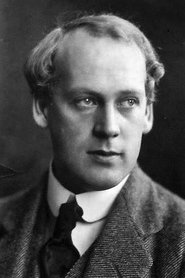
Tor Weijden
Actor
Born: September 16, 1887 in Stockholm, Sweden Died: September 22, 1931 Active: 1920-1921
Films
3 films
About Tor Weijden
Made his mark during the golden age of Swedish silent cinema in the early 1920s. Born in Stockholm in 1887, Weijden began his career on the Swedish stage before transitioning to film during the burgeoning era of Nordic cinema. His most significant work came through collaborations with renowned Swedish director Victor Sjöström, appearing in several of the director's most celebrated films. Weijden's screen presence was characterized by his ability to convey deep emotion through the subtle techniques demanded by silent film acting. His career, though brief, coincided with what many consider the peak of Swedish artistic cinema, contributing to films that would later be recognized as masterpieces of the silent era. Tragically, Weijden's life and career were cut short when he died in 1931 at the age of 44, just as sound cinema was revolutionizing the film industry. Despite his limited filmography, his performances in landmark Swedish films have ensured his place in cinema history as a representative figure of Sweden's golden age of silent film.
The Craft
On Screen
Weijden embodied the naturalistic acting style that characterized the best of Swedish silent cinema, emphasizing subtle facial expressions and restrained gestures over the melodramatic techniques common in other national cinemas of the era. His performances demonstrated a remarkable ability to convey complex emotions through minimal movement, reflecting the influence of Swedish stage traditions on film acting. Weijden's approach aligned with the artistic philosophy of directors like Victor Sjöström and Mauritz Stiller, who favored psychological depth and emotional authenticity in their actors.
Milestones
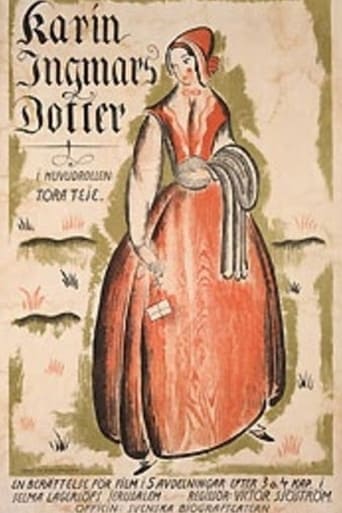
- Breakthrough role in 'Karin, Daughter of Ingmar' (1920)
- Memorable performance in 'A Lover in Pawn' (1920)
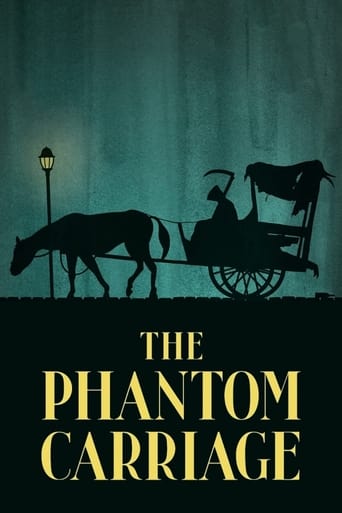
- Significant supporting role in 'The Phantom Carriage' (1921)
- Collaboration with director Victor Sjöström during Swedish cinema's golden age
Best Known For
Iconic Roles
Must-See Films
Accolades
Special Recognition
- Remembered as part of Sweden's golden age of silent cinema
- Contributor to internationally acclaimed Swedish films of the 1920s
Working Relationships
Worked Often With
Studios
Why They Matter
Impact on Culture
Tor Weijden contributed to what film historians now recognize as the golden age of Swedish cinema, a period when Swedish films achieved international acclaim for their artistic sophistication and psychological depth. His performances in films like 'The Phantom Carriage' helped establish the reputation of Swedish cinema as a serious artistic medium, influencing filmmakers across Europe and eventually in Hollywood. The films he appeared in were instrumental in developing cinematic techniques such as narrative flashbacks and atmospheric lighting that would become standard in international cinema. Weijden's work exemplified the naturalistic acting style that set Swedish films apart from the more theatrical performances common in other national cinemas of the silent era.
Lasting Legacy
Though his career was brief and his name is not widely known outside of film scholarship circles, Tor Weijden's legacy endures through his participation in some of the most celebrated films of the silent era. 'The Phantom Carriage,' in which he appeared, continues to be studied by film students and screened at classic film festivals worldwide, ensuring that his performances remain accessible to new generations of cinema enthusiasts. His work represents the collaborative nature of Swedish cinema's golden age, where actors, directors, and technicians worked together to create films of lasting artistic value. Weijden's career serves as an example of the many talented actors who contributed to cinema's development during its formative years, even if they didn't achieve international stardom.
Who They Inspired
As part of Victor Sjöström's regular ensemble of actors, Weijden contributed to the development of a distinctly Swedish acting style that emphasized naturalism and psychological authenticity. This approach would later influence international film acting, particularly as Swedish directors like Sjöström and Stiller brought their techniques to Hollywood. The subtlety and emotional depth of Weijden's performances helped demonstrate the artistic potential of cinema as a medium for serious dramatic expression, contributing to the elevation of film from popular entertainment to art form. His work in ensemble casts helped establish the importance of supporting performances in creating cohesive and artistically successful films.
Off Screen
Tor Weijden was born and raised in Stockholm, Sweden, during a period of significant cultural and artistic development in the country. He married actress Anna-Lisa Baude, who was also active in Swedish theater and film during the same era. Their marriage represented one of the acting partnerships in Stockholm's vibrant theatrical community. Weijden maintained connections with Stockholm's theater world even as he ventured into film, reflecting the close relationship between stage and screen in early Swedish cinema. His relatively early death at age 44 cut short what might have been a longer career in the evolving film industry.
Education
Likely received theatrical training in Stockholm's acting schools or through apprenticeship in theater companies, though specific educational details are not well documented in available sources.
Family
- Anna-Lisa Baude (1925-1931)
Did You Know?
- Appeared in three of the most significant Swedish silent films of 1920-1921
- Worked with Victor Sjöström during the director's most acclaimed period
- His film 'The Phantom Carriage' was highly influential on directors including Ingmar Bergman
- Part of the generation of Swedish actors who transitioned from stage to film during cinema's early years
- His active years covered the final peak of Swedish silent cinema before the industry's decline in the mid-1920s
- Married to actress Anna-Lisa Baude, another figure in Swedish performing arts
- Died just as sound cinema was revolutionizing the film industry worldwide
- His films were among the Swedish productions that achieved international distribution and critical acclaim
- Represented the naturalistic acting style that Swedish cinema from other European film industries
- Contributed to films that helped establish Sweden as a major force in international cinema during the silent era
Frequently Asked Questions
Who was Tor Weijden?
Swedish with credits in this catalog. He worked with renowned director Victor Sjöström and appeared in landmark films including 'The Phantom Carriage.' Though his career was brief, he contributed to Sweden's golden age of cinema.
What films is Tor Weijden best known for?
Titles linked here include The Phantom Carriage (1921), Karin, Daughter of Ingmar (1920).
When was Tor Weijden born and when did he die?
Born September 16, 1887; died September 22, 1931.
What awards did Tor Weijden win?
There are no documented awards or formal recognitions that Tor Weijden received during his lifetime. However, his contribution to Swedish cinema's golden age has been recognized retrospectively by film historians as part of the artistic achievement of films like 'The Phantom Carriage'.
What was Tor Weijden's acting style?
Tor Weijden embodied the naturalistic acting style characteristic of Swedish silent cinema, emphasizing subtle facial expressions and restrained gestures over melodramatic techniques. His performances reflected the psychological depth and emotional authenticity favored by directors like Victor Sjöström, contributing to the artistic sophistication of Swedish films during this period.