
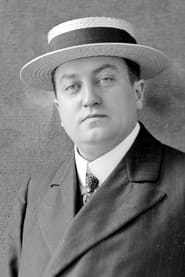
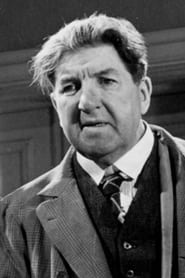

Karin, Daughter of Ingmar
"Karin, Daughter of Ingmar (1920)"
Keys: Space play/pause · ←/→ 10s · F fullscreen · M mute · </> speed
About this film
Swedish silent drama film directed by Victor Sjöström. It is the second part in Sjöström's large-scale adaption of Selma Lagerlöf's novel Jerusalem, following Sons of Ingmar from the year before, and depicting chapter three and four from the novel. The critical reception was however unenthusiastic and Sjöström decided to not direct any more parts.
Cast & crew
More Drama films
View all →






More from Victor Sjöström
View all →




More about this film
About the production
Release dateNovember 1, 1920
ProductionSvenska Biografteatern
Filmed inSweden
The film was part of a planned larger adaptation of Selma Lagerlöf's 'Jerusalem' novel. Due to the unenthusiastic critical reception of both 'Sons of Ingmar' (1919) and 'Karin, Daughter of Ingmar' (1920), Victor Sjöström abandoned plans to direct further parts of the adaptation. The film was shot during the transitional period when Swedish cinema was moving from short films to feature-length productions.
Historical background
Made in 1920, Karin, Daughter of Ingmar reflects production norms of late silent cinema and the transition toward sound—shorter runtimes, regional audiences, and limited preservation infrastructure.
Why this film matters
Historians reference Karin, Daughter of Ingmar (1920) when discussing 1920 film.
Making of
The production of 'Karin, Daughter of Ingmar' took place during a significant period in Swedish cinema history. Victor Sjöström, already an established director, chose to adapt Selma Lagerlöf's work, which was considered a prestigious literary source. The filming likely took place in rural Sweden to authentically depict the setting of the story. Sjöström, who also acted in the film, worked with cinematographer Julius Jaenzon to create the visual style that characterized Swedish cinema during its golden age. The production faced the challenge of condensing complex literary material into a feature film while maintaining the emotional depth and social commentary of the source material. The decision to abandon the planned series after this film's reception must have been disappointing for the filmmakers, as adapting Lagerlöf's work was considered a significant cultural undertaking.
What critics said
Trade and revival screenings have kept Karin, Daughter of Ingmar (1920) on the map for collectors and scholars rather than mass first-run promotion.
Did you know?
- 'Karin, Daughter of Ingmar' was the second part of Victor Sjöström's planned adaptation of Selma Lagerlöf's acclaimed novel 'Jerusalem.'
- The film was based on chapters 3 and 4 of the novel, while the first film 'Sons of Ingmar' (1919) covered chapters 1 and 2.
- Despite being directed by one of Sweden's most celebrated filmmakers and based on work by Nobel laureate Selma Lagerlöf, the film received unenthusiastic reviews.
- Victor Sjöström, who also played a role in the film, decided not to continue with the planned series after this film's reception.
- The film represents an early example of literary adaptation in Swedish cinema, bringing one of the country's most important literary works to the screen.
- Tora Teje, who played Karin, was one of Sweden's most prominent silent film actresses and had previously starred in Sjöström's 'The Outlaw' (1918).
- The film was produced during the 'Golden Age of Swedish Cinema' (1917-1924), when Swedish films gained international recognition for their artistic quality.
- Selma Lagerlöf, the author of the source novel, was the first woman to win the Nobel Prize in Literature (1909).
- The complete novel 'Jerusalem' deals with a religious sect from Dalarna, Sweden, that emigrates to Jerusalem, but the films focus on the characters who remain in Sweden.
- The film's cinematography was handled by Julius Jaenzon, who was a frequent collaborator with Sjöström during this period.
Visual style
The cinematography for 'Karin, Daughter of Ingmar' was handled by Julius Jaenzon, a frequent collaborator with Victor Sjöström during this period. Jaenzon was known for his ability to capture the Swedish landscape with atmospheric quality, using natural light and location shooting to create a sense of authenticity. The film likely employed the visual style characteristic of Swedish cinema's golden age, which emphasized natural settings, dramatic lighting, and compositions that reflected the psychological states of the characters. The cinematography would have contributed to the film's emotional impact, particularly in scenes depicting the rural landscapes that play such an important role in Lagerlöf's work. The visual approach probably contrasted with the more studio-bound productions common in other European cinemas of the time, helping to establish a distinctive Swedish cinematic identity.
Innovations
'Karin, Daughter of Ingmar' employed the technical standards of high-quality
Music
As a silent film, 'Karin, Daughter of Ingmar' would have been accompanied by live musical performance during its original theatrical runs. The specific musical arrangements used in Sweden in 1920 are not well documented, but they likely consisted of classical pieces adapted to the mood of various scenes, with perhaps some Swedish folk elements to reflect the setting. In modern screenings, the film is typically accompanied by specially composed scores or appropriate period music. The emotional content of the story, with its themes of love, loss, and spiritual conflict, would have required music that could enhance the dramatic moments without overwhelming the visual narrative.
What audiences thought
Specific information about audience reception in 1920 is limited, but the fact that Sjöström decided not to continue with the planned series suggests that the film did not achieve the popular success hoped for. Swedish audiences of the time would have been familiar with Selma Lagerlöf's work and might have had high expectations for the adaptation. The film's themes of religious conflict, emigration, and the tension between tradition and change would have resonated with contemporary Swedish audiences who were experiencing similar social transformations. Despite the apparent lack of overwhelming success, the film did contribute to the growing appreciation of Swedish cinema both domestically and internationally during this period.
Where to watch
- Internet Archive: https://archive.org/details/silent-karin-ingmarsdotter