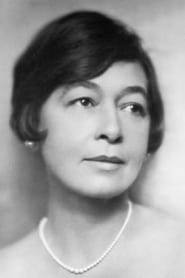
Harriet Bosse
Actor
Born: February 19, 1878 in Christiania (now Oslo), Norway Died: November 2, 1961 Active: 1896-1955 (theater), 1919-1920 (film) Birth Name: Harriet Sofie Bosse
Films
2 films
About Harriet Bosse
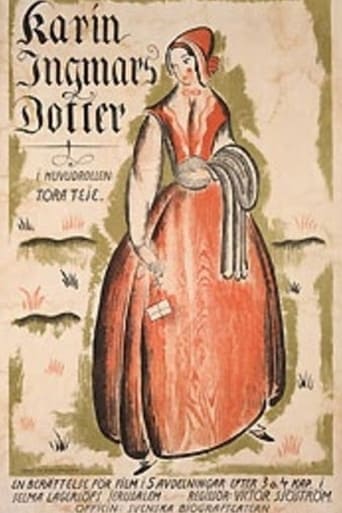
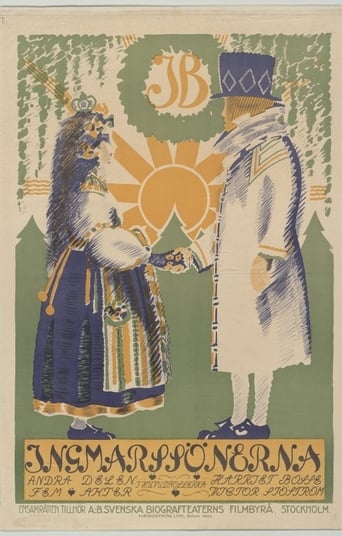
Swedish-Norwegian actress who achieved her greatest fame on the theatrical stage rather than in cinema. Born in Norway in 1878, she moved to Sweden where she became stage actresses of her time, particularly renowned for her interpretations of August Strindberg's plays. Her brief foray into silent cinema occurred during 1919-1920, when she appeared in Victor Sjöström's acclaimed films 'Sons of Ingmar' and 'Karin, Daughter of Ingmar,' which were part of the golden age of Swedish silent cinema. Bosse's personal life was marked by her tumultuous marriage to playwright August Strindberg from 1901 to 1908, during which she inspired several of his characters. After their divorce, she continued her successful stage career, working with various theaters including the Royal Dramatic Theatre in Stockholm. Despite her limited filmography, her performances in the Ingmar films showcased her ability to translate theatrical intensity to the silent medium. Her over four decades, primarily in theater, with cinema representing only a small but notable portion of her artistic legacy.
The Craft
On Screen
Known for her intense, emotionally charged performances that bridged naturalism and expressionism. Her theatrical background gave her a commanding presence and ability to convey complex emotions through subtle gestures and facial expressions, which translated effectively to silent cinema. Bosse was particularly adept at portraying strong, complex female characters with psychological depth.
Milestones
- Debut at Christiania Theater in 1896
- Joined Royal Dramatic Theatre in Stockholm
- Married August Strindberg in 1901
- Starred in 'Sons of Ingmar' (1919)
- Appeared in 'Karin, Daughter of Ingmar' (1920)
- Continued successful stage career through 1940s
Best Known For
Iconic Roles
Must-See Films
Accolades
Won
- Litteris et Artibus medal (Swedish royal award for artistic contributions)
Special Recognition
- Member of the Royal Dramatic Theatre ensemble
- Recognized as one of Sweden's foremost interpreters of Strindberg's works
Working Relationships
Worked Often With
Studios
Why They Matter
Impact on Culture
Harriet Bosse played a significant role in Swedish cultural life during the early 20th century, particularly through her interpretations of August Strindberg's works. Her performances helped establish Strindberg's plays as canonical works in the theatrical repertoire, and her marriage to the playwright made her an important figure in Stockholm's cultural circles. Though her film career was brief, her participation in Sjöström's Ingmar films contributed to the international recognition of Swedish cinema during its golden age. Bosse represented the transition from 19th-century theatrical traditions to modern performance styles, bridging the gap between classical and contemporary acting techniques.
Lasting Legacy
Harriet Bosse's legacy endures primarily through her influence on Swedish theater and her association with August Strindberg. She is remembered as one of the foremost interpreters of Strindberg's female characters, bringing psychological depth and authenticity to roles that were revolutionary for their time. Her brief film appearances, while limited in number, are preserved as examples of the quality of Swedish silent cinema and demonstrate how accomplished stage actors successfully transitioned to the new medium. Bosse's active years covered a transformative period in performing arts history, and her adaptability and artistic integrity made her a respected figure in Scandinavian cultural history.
Who They Inspired
Bosse influenced generations of Swedish actresses through her work at the Royal Dramatic Theatre and her innovative approach to character interpretation. Her naturalistic yet emotionally intense style helped shape modern Swedish acting techniques. She demonstrated that theatrical actors could successfully adapt to cinema without compromising artistic integrity, paving the way for other stage actors to explore film work. Her interpretations of Strindberg's complex female characters set new standards for psychological realism in performance.
Off Screen
Harriet Bosse's personal life was marked by her high-profile marriage to playwright August Strindberg, which ended in divorce after seven tumultuous years. She later married actor and director Gunnar Klintberg in 1908, with whom she had a daughter, Anne-Marie. After Klintberg's death in 1913, she married businessman Edvin Adolphson in 1927. Bosse was known for her independent spirit and maintained her professional career throughout her marriages. She lived through both world wars and witnessed the transition from silent to sound cinema, though she remained primarily dedicated to theater.
Education
Trained at the Royal Dramatic Theatre's acting school in Stockholm
Family
- August Strindberg (1901-1908)
- Gunnar Klintberg (1908-1913)
- Edvin Adolphson (1927-1950)
Did You Know?
- She was the third wife of August Strindberg, who was 27 years her senior
- Strindberg wrote the play 'The Dance of Death' partly based on their troubled marriage
- Her sister Alma Bosse was also an actress
- She spoke fluent Swedish, Norwegian, and Danish
- Despite her Norwegian birth, she became one of Sweden's most celebrated actresses
- Her film roles were typically maternal or authoritative figures
- She continued performing into her 70s
- The Ingmar films she appeared in were based on works by Selma Lagerlöf
- She was one of the few actresses of her generation to successfully maintain independence from male control in her career
- Her memoirs provided valuable insights into early 20th-century Scandinavian theater life
In Their Own Words
The stage is not merely a platform for entertainment, but a mirror to the soul of society
To portray Strindberg's women is to understand the complexity of human nature itself
Silence in film can speak louder than words on stage
Every role is a journey into another's existence, and I have been fortunate to travel many such journeys
Frequently Asked Questions
Who was Harriet Bosse?
Renowned Swedish-Norwegian actress best known for her stage work, particularly her interpretations of August Strindberg's plays. She had a brief but notable career in silent cinema, appearing in Victor Sjöström's acclaimed films 'Sons of Ingmar' and 'Karin, Daughter of Ingmar' in 1919-1920.
What films is Harriet Bosse best known for?
Titles linked here include Sons of Ingmar (1919), Karin, Daughter of Ingmar (1920).
When was Harriet Bosse born and when did she die?
Born February 19, 1878; died November 2, 1961.
What awards did Harriet Bosse win?
Harriet Bosse received the Litteris et Artibus medal, a Swedish royal award recognizing significant contributions to arts and culture. She was also honored as a member of the Royal Dramatic Theatre ensemble.
What was Harriet Bosse's acting style?
Bosse's acting style combined intense emotional expression with naturalistic delivery, bridging theatrical tradition and modern performance techniques. She was particularly noted for her ability to convey complex psychological states through subtle gestures and powerful presence, making her especially effective in Strindberg's demanding roles.
How was Harriet Bosse connected to August Strindberg?
Harriet Bosse was married to playwright August Strindberg from 1901 to 1908. Their marriage was highly influential both personally and artistically, with Strindberg creating several characters based on her and their relationship dynamics. She became one of the foremost interpreters of his dramatic works.
What was Harriet Bosse's primary career focus?
While she appeared in films during 1919-1920, Harriet Bosse's primary career was in theater, where she worked for nearly six decades. She was most celebrated for her stage performances, particularly at the Royal Dramatic Theatre in Stockholm, where she became one of Sweden's most respected actresses.