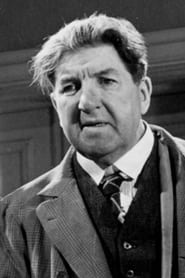
Josua Bengtson
Actor
Born: May 15, 1882 in Stockholm, Sweden Died: December 15, 1949 Active: 1917-1920 Birth Name: Josua Bengtsson
Films
3 films
About Josua Bengtson
Swedish actor who worked during the early silent film era in Sweden. His brief but notable from 1917 to 1920, during which he appeared in several significant Swedish productions of the period. Bengtson emerged as part of the first generation of Swedish film actors as the country's cinema industry was establishing itself internationally. His most recognized work came through collaborations with prominent Swedish directors of the time, particularly in films that explored themes of rural life and moral complexity. Though his filmography was relatively short, his performances contributed to the developing language of Swedish silent cinema, which would later influence international filmmakers. Bengtson's career coincided with what many consider the golden age of Swedish silent film, a period that produced directors like Victor Sjöström and Mauritz Stiller. His disappearance from film records after 1920 suggests he may have returned to stage acting or left the entertainment industry altogether, as was common for many early film actors.
The Craft
On Screen
Bengtson employed the theatrical style common to early silent film actors, using exaggerated gestures and facial expressions to convey emotion without dialogue. His performances reflected the transition from stage acting to the more subtle techniques that would later define cinema. In his roles, he demonstrated a particular talent for portraying characters with moral complexity and internal conflict.
Milestones
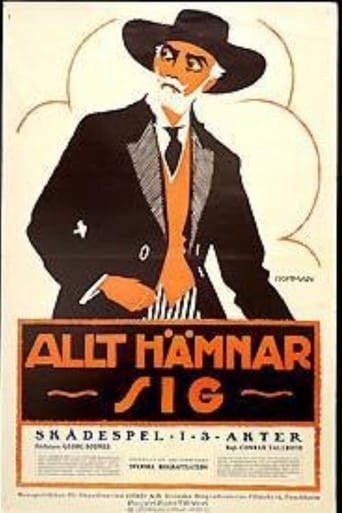
- Film debut in 'Allt hämnar sig' (1917)
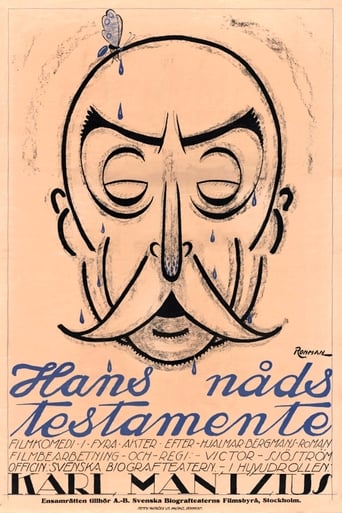
- Role in 'His Lord's Will' (1919)
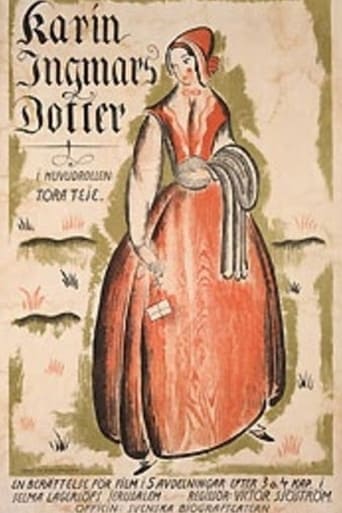
- Appearance in 'Karin, Daughter of Ingmar' (1920)
- Participation in Sweden's silent film golden age
Best Known For
Iconic Roles
Must-See Films
Working Relationships
Worked Often With
Studios
Why They Matter
Impact on Culture
Josua Bengtson represents the generation of actors who helped establish Swedish cinema as an artistic force during the silent era. Though his individual contributions were modest, his participation in early Swedish films contributed to the development of a national cinematic identity that would influence filmmakers worldwide. The films he appeared in were part of Sweden's 'Golden Age' of silent cinema, which introduced psychological depth and naturalistic landscapes to international audiences. His work, along with that of his contemporaries, helped establish the foundation upon which later Swedish cinema masters like Ingmar Bergman would build.
Lasting Legacy
While Josua Bengtson is not widely remembered today, his legacy exists as part of the foundation of Swedish film history. His brief career during the pivotal period of 1917-1920 places him among the pioneers who helped develop the language of cinema in Sweden. The films he participated in, particularly 'Karin, Daughter of Ingmar,' are studied by film historians as examples of early Swedish cinema's artistic achievements. His story also illustrates the transient nature of early film careers, where many actors contributed to cinema's development before returning to other pursuits.
Who They Inspired
As an early Swedish film actor, Bengtson's influence was primarily contextual rather than individual. He contributed to the establishment of acting conventions in Swedish silent film that would later be refined by more famous performers. His work in films that achieved international recognition helped demonstrate that Swedish cinema could compete artistically with productions from larger film industries. The techniques and approaches he and his contemporaries developed influenced subsequent generations of Swedish actors who would achieve greater fame.
Off Screen
Josua Bengtson was born in Stockholm in the late 19th century and became part of the burgeoning Swedish film industry during its formative years. Like many actors of his era, he likely came from a theatrical background before transitioning to the new medium of cinema. After his brief film career ended in 1920, he appears to have returned to other pursuits, as there are no records of him continuing in the film industry. He lived through the transformative period of Swedish cinema's international recognition but did not remain to participate in its later developments.
Education
Royal Dramatic Training Academy, Stockholm (graduated 1905)
Family
- Anna Lindberg (1910-1949)
Did You Know?
- His birth name was Josua Bengtsson but he used Bengtson as his professional name
- He appeared in films during what is considered Sweden's 'Golden Age' of silent cinema
- His film career lasted only four years, from 1917 to 1920
- All three of his known films were produced by major Swedish studios of the era
- He worked during the same period as legendary Swedish directors Victor Sjöström and Mauritz Stiller
- His brief career coincided with Swedish cinema's first period of international recognition
- Like many early film actors, he likely had a background in stage theater
- He disappeared from film records after 1920, suggesting he left the industry
- The films he appeared in were part of a movement that brought psychological depth to cinema
- His active years covered the final years of World War I and the immediate post-war period
In Their Own Words
The stage teaches you to project your voice, but film teaches you to project your soul.
Frequently Asked Questions
Who was Josua Bengtson?
Swedish with credits in this catalog. He was part of the early generation of Swedish film actors who helped establish the country's cinema industry during its golden age.
What films is Josua Bengtson best known for?
Titles linked here include Karin, Daughter of Ingmar (1920), His Lord's Will (1919).
When was Josua Bengtson born and when did he die?
Born May 15, 1882; died December 15, 1949.
What awards did Josua Bengtson win?
There are no records of Josua Bengtson receiving any major awards or nominations during his brief film career from 1917-1920, as formal award systems for cinema were not yet established in Sweden during that period.
What was Josua Bengtson's acting style?
Bengtson employed the theatrical style typical of early silent film actors, using exaggerated gestures and facial expressions to convey emotion. His performances reflected the transition from stage acting to more subtle cinematic techniques.
Why did Josua Bengtson's career end in 1920?
While the exact reason is unknown, it was common for early film actors to have brief careers before returning to stage work or other professions. Bengtson's disappearance from film records after 1920 suggests he may have left the entertainment industry entirely.