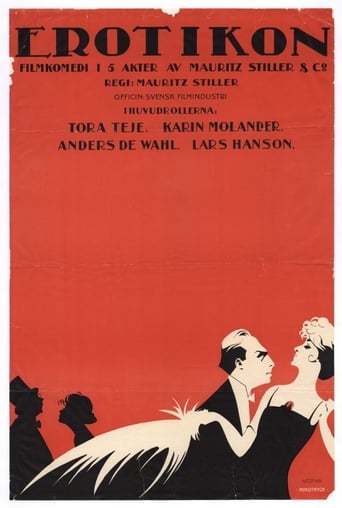
Films
4 films
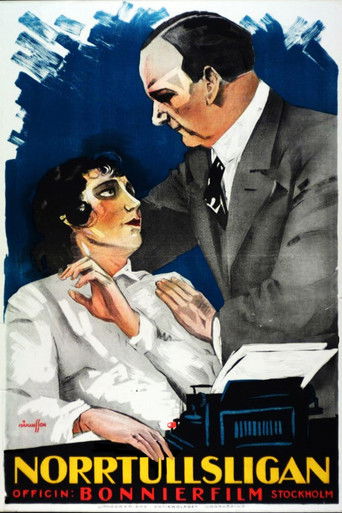
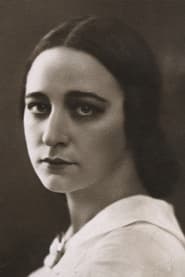
About Tora Teje
Swedish stage and screen actress of the silent-film era, remembered chiefly for a small but notable cluster of appearances in landmark Scandinavian productions around 1920. She is best known internationally for her roles in Mauritz Stiller's Erotikon and Victor Sjöström's Karin, Daughter of Ingmar and The Monastery of Sendomir, all released in the same year. Because her surviving screen career appears to have been brief, she is often discussed in film history primarily in connection with these major early Swedish films rather than as a long-term star. Her work placed her within artistically important periods of Nordic silent cinema, when Swedish filmmakers were earning international recognition for their naturalistic acting, strong literary sources, and atmospheric direction. Beyond these film credits, documentation about her life and later career is scarce, which is common for many performers from the silent era whose professional records were not extensively preserved. As a result, Tora Teje remains something of an elusive figure, valued today for the glimpses she provides into the casting and performance style of early Swedish screen drama. Her legacy rests less on a large body of surviving work than on her presence in films that continue to be studied as classics of world cinema.
The Craft
On Screen
No detailed contemporary acting analysis is securely documented in the available mainstream film-reference record, but her work belongs to the silent-era Swedish tradition known for restrained, psychologically grounded performance. In films such as Erotikon and Karin, Daughter of Ingmar, actors were generally directed toward naturalistic expression rather than broad melodramatic gesturing. Tora Teje's surviving screen presence is therefore best understood within that style: subtle, visually expressive, and shaped by the highly composed mise-en-scène of Swedish silent cinema.
Milestones
- Appeared in Mauritz Stiller's Erotikon (1920), one of the best-known Swedish silent comedies and a landmark in early screen sophistication.
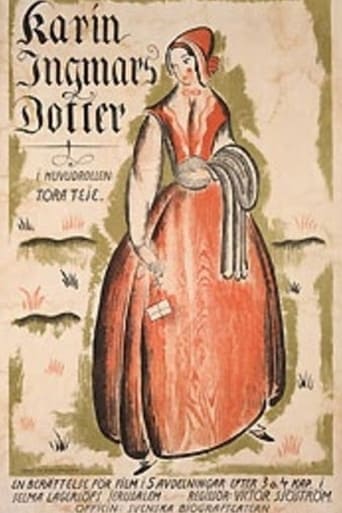
- Acted in Victor Sjöström's Karin, Daughter of Ingmar (1920), part of the celebrated early Swedish literary-cinema tradition.
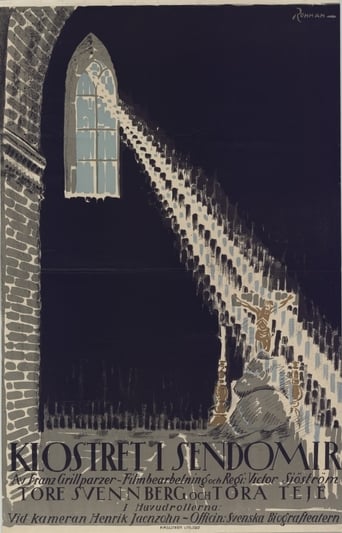
- Appeared in The Monastery of Sendomir (1920), connecting her to another major prestige production of the era.
- Worked during the peak international rise of Swedish silent cinema, a period associated with artistic realism and visual atmosphere.
- Her surviving filmography places her among the performers associated with foundational works of Scandinavian film history.
Best Known For
Iconic Roles
Must-See Films
Working Relationships
Worked Often With
Studios
Why They Matter
Impact on Culture
Tora Teje's cultural significance lies in her participation in a small number of films that are central to the canon of Swedish silent cinema. Erotikon, Karin, Daughter of Ingmar, and The Monastery of Sendomir are important not only as performances but as examples of the artistic ambitions of Swedish filmmaking at the dawn of the 1920s. Even where an actor's name is not among the most famous from the period, appearing in such works links them to a movement that helped define internationally respected Nordic cinema. Her name survives in film scholarship mainly because these titles continue to circulate in histories, retrospectives, and archival discussions of early European film art.
Lasting Legacy
Her lasting legacy is tied to preservation and scholarship rather than to a long public celebrity. Tora Teje is one of many silent-era performers whose careers can be reconstructed only in fragments, yet those fragments matter because they connect modern viewers to the industrial and artistic world of early Swedish cinema. By appearing in films associated with Mauritz Stiller and Victor Sjöström, she remains part of the historical record of. For historians and enthusiasts, her legacy is the reminder that even brief screen careers can have enduring value when the films themselves are historically significant.
Who They Inspired
There is no widely documented evidence that Tora Teje directly mentored later performers or served as a major influence in the way leading stars of the era did. Her importance is instead indirect: by participating in prestige silent films, she contributed to the performance culture that influenced later Scandinavian and international screen acting. The films in which she appeared helped establish a model of expressive restraint and literary seriousness that later filmmakers continued to admire.
Off Screen
Very little reliably documented biographical information is widely available about Tora Teje's personal life, including marriages, family background, or later years. This lack of detail is not unusual for silent-era performers whose off-screen lives were not heavily covered in surviving reference sources. No widely verified public record in the standard film-history sources consulted here provides enough detail to summarize her family life with confidence.
Did You Know?
- Tora Teje's known screen career, based on the filmography provided, is concentrated in a single year: 1920.
- She appears in three major Scandinavian silent films that are still studied by film historians.
- Her filmography connects her with two of Sweden's most important silent-era directors, Mauritz Stiller and Victor Sjöström.
- Because she worked in early cinema, much of her life outside these films is not well documented in commonly used reference sources.
- Her appearances place her within the internationally admired Swedish silent film boom of the early 1920s.
- The title Erotikon is especially famous in film history for its elegant treatment of modern relationships and sophisticated comic tone.
- Karin, Daughter of Ingmar is part of the era's literary adaptation tradition, which helped elevate Swedish cinema abroad.
- The Monastery of Sendomir is another example of the atmospheric, prestige-driven productions associated with the period.
Frequently Asked Questions
Who was Tora Teje?
Swedish silent-film actress best known for appearing in a small number of important 1920 productions. She is remembered primarily through her roles in Erotikon, Karin, Daughter of Ingmar, and The Monastery of Sendomir.
What films is Tora Teje best known for?
Titles linked here include Erotikon (1920), Karin, Daughter of Ingmar (1920).
When was Tora Teje born and when did she die?
Reliable birth and death dates are not readily available in the standard reference record used here. Because of that, both her birth date and death date should be treated as currently unverified.
What awards did Tora Teje win?
No specific awards or nominations are securely documented for Tora Teje in the available historical record. Her recognition comes mainly from the enduring reputation of the films she appeared in rather than from formal awards.
What was Tora Teje's acting style?
Her acting should be understood within the Swedish silent-film tradition, which favored controlled, naturalistic expression over exaggerated melodrama. The surviving context suggests a performance style suited to psychologically attentive, visually elegant cinema.
What is Tora Teje's legacy in film history?
Her legacy is as a participant in a handful of classic Scandinavian silent films that continue to matter in world-cinema history. Even though her career is only sparsely documented, her screen work helps preserve the memory of the era's artistic ambitions and performance style.