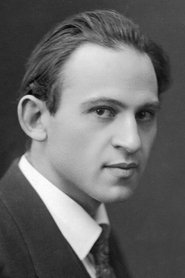
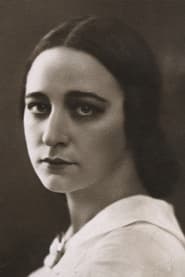
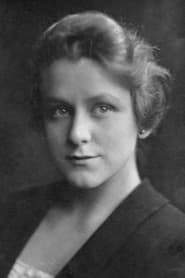
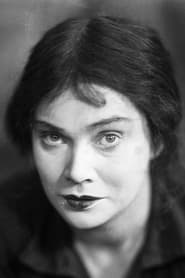
The Norrtull Gang
Plot
The Norrtull Gang follows a group of young office workers in Stockholm who try to balance low-paid work, cramped living conditions, friendship, and the pressure to conform in a male-dominated society. At the center are women who pool their resources, share a modest household, and support one another as they navigate the everyday realities of work, courtship, and social expectation. Their world is shaped by the tension between romantic desire and the need for economic independence, and the film repeatedly contrasts personal freedom with the constraints imposed by class and gender. As the women encounter suitors, employers, and the broader rhythms of urban life, the story becomes both a portrait of camaraderie and a critique of the limited choices available to young working women. The film builds toward a sympathetic examination of female solidarity, suggesting that mutual support is essential in a society where women are expected to accept inequality as normal.
About the Production
The film is a Swedish silent drama based on Elin Wägner's popular novel "Pennskaftet," a socially engaged work associated with early twentieth-century feminist and labor concerns. It was directed by Per Lindberg, whose approach emphasized realism and ensemble interaction rather than spectacle, and it was made during a period when Swedish cinema was still internationally respected for its literary adaptations and serious social themes. As with many silent-era Swedish productions, detailed production records are limited, but the film is notable for its focus on ordinary urban women and for adapting a contemporary, politically resonant source text. Surviving information indicates that the film was crafted as a prestige literary adaptation rather than a commercial melodrama, with an emphasis on performance, social observation, and the mood of Stockholm life. Like many films of the period, it was originally accompanied by live music in theaters rather than a synchronized recorded soundtrack.
Historical Background
The Norrtull Gang was produced in 1923, in the aftermath of World War I and during a period of rapid social change in Europe. In Sweden, debates over democracy, suffrage, women in the workplace, and modern urban life were especially active, and the film's subject matter directly engages those tensions by centering office workers rather than aristocrats or melodramatic protagonists. The early 1920s were also a transitional moment for Scandinavian cinema: the silent art film tradition of the previous decade was giving way to new industrial realities and to changing audience tastes, yet literary adaptations and socially conscious dramas remained significant. This film matters historically because it preserves a visual record of feminist and labor ideas as they were being dramatized for popular audiences in the silent era, offering a window into how culture negotiated women's independence and social expectation at a formative moment in modern Swedish history.
Why This Film Matters
The film is culturally significant as an early screen adaptation of Elin Wägner, one of Sweden's most important feminist writers, and as a rare silent-era drama that places women workers' collective experience at the center of the narrative. Rather than treating female friendship as a side plot, it makes solidarity among women the emotional and ideological core of the story, which gives it a lasting value for feminist film studies and social-history research. It also contributes to the broader legacy of Swedish cinema as a medium capable of serious literary and social engagement. For contemporary viewers and archivists, the film is important not just as a period piece but as evidence of how early cinema could articulate questions of labor, autonomy, romance, and citizenship through ordinary lives.
Making Of
The film was made at a time when Swedish cinema had already earned an international reputation for serious literary adaptations and psychologically attentive drama, and this production fits squarely within that tradition. Its source novel by Elin Wägner brought a distinctly contemporary feminist and labor-conscious perspective to the screen, which meant that the adaptation was not simply a romantic story but also a socially engaged drama about modern womanhood. The casting of established performers such as Tora Teje, Inga Tidblad, and Renée Björling suggests an emphasis on strong character work and credibility over star glamour. As with many silent-era Swedish productions, surviving documentation on the exact day-to-day shoot is limited, but the film is understood as a carefully mounted studio-era production that sought to render everyday Stockholm life with authenticity and emotional clarity.
Visual Style
The film's visual style belongs to the restrained, observational mode common in serious Scandinavian silent drama of the early 1920s. It likely emphasizes intimate interiors, group staging, and careful attention to urban space, with compositions designed to clarify relationships among the women as they share rooms, workplaces, and public streets. Rather than elaborate camera movement, the film's power comes from expressive framing, actorly performance, and the contrast between cramped domestic life and the larger city around them. Its cinematography serves the realist, socially grounded tone of the adaptation, helping to make the characters' daily routines and emotional bonds feel immediate.
Innovations
The film's main achievement is not technological novelty but its successful adaptation of a socially acute literary work into a silent cinematic form. Its achievement lies in its ensemble storytelling, its integration of everyday urban detail, and its ability to convey feminist and labor themes through performance and visual composition without sound. In the context of 1920s Swedish cinema, it exemplifies the mature silent drama tradition rather than introducing a specific technical innovation. Its importance is primarily artistic and historical, especially in the way it uses cinema for social commentary.
Music
As a 1923 silent film, it did not have an original synchronized recorded soundtrack. It would have been shown with live musical accompaniment in theaters, often using a pianist, organist, or small ensemble depending on the venue and exhibition practice. Any modern presentation may use a curated archival score or newly commissioned accompaniment, but no universally documented original score is available in the standard record.
Famous Quotes
No widely documented surviving quotes from the intertitles are readily available in standard reference sources.
As a silent film, any quotable dialogue survives only in intertitle text or later archival translations, not in a fixed spoken form.
Memorable Scenes
- The ensemble scenes in which the office girls share cramped living quarters and manage their daily routines together, establishing their collective identity and mutual dependence.
- Moments in which the women navigate the masculine spaces of work and courtship, highlighting the pressures that shape their choices and relationships.
- Scenes that contrast private friendship with public expectation, underscoring the film's central tension between emotional life and economic necessity.
Did You Know?
- The film is best known as a Swedish silent adaptation of Elin Wägner's novel "Pennskaftet," a landmark work in Swedish feminist literature.
- Its title refers to the informal name of a group of young female office workers who live and socialize together in Stockholm.
- The film is often discussed in the context of early Scandinavian cinema's interest in social realism and literary adaptation.
- Per Lindberg is better known historically as a stage director and cultural figure, making this film an interesting part of his screen work.
- Tora Teje, Inga Tidblad, and Renée Björling were major Swedish stage and screen actresses of their era, lending the production strong theatrical pedigree.
- The story foregrounds women's labor, independence, and political agency at a time when debates about suffrage and workplace equality were especially important in Scandinavia.
- Because it is a silent film from the 1920s, contemporary viewings depend on surviving prints, intertitles, and restoration or archival access where available.
- The film reflects the urban modernity of early 1920s Stockholm, including the changing social role of office work for women.
- It is a valuable artifact for studying how silent cinema represented female friendship and collective identity rather than only romance or domesticity.
- The film's reputation today is tied as much to its cultural subject matter as to its place within Swedish film history.
What Critics Said
Contemporary reception details are not widely documented in easily accessible English-language sources, but the film was produced within a reputable national cinema culture and likely received as a serious literary adaptation with topical appeal. Modern critical interest tends to focus on its feminist themes, its adaptation of Wägner's work, and its place in the lineage of socially conscious Swedish silent films. Scholars value it for its depiction of urban working women and for the way it contrasts with the more internationally famous rural or historical images often associated with silent Swedish cinema. In retrospect, it is viewed as an important but lesser-known example of Scandinavian silent drama, especially notable for its perspective on gender and labor.
What Audiences Thought
Specific box-office records and audience polling have not survived in a readily verifiable form, so audience response cannot be quantified with confidence. The film likely appealed to viewers interested in contemporary social issues, literary adaptation, and prominent stage performers, though silent-era audience reception often varied by region and exhibition context. Today it is mainly encountered by film scholars, silent-cinema enthusiasts, and audiences interested in feminist cultural history rather than by mass audiences. Its modern appreciation is generally tied to its historical and thematic significance rather than to popular nostalgia.
Film Connections
Influenced By
- Elin Wägner's novel "Pennskaftet
- Swedish stage realism and literary drama
- early twentieth-century feminist and labor movements in Sweden
This Film Influenced
- Later Scandinavian films centered on women's work and solidarity
- Subsequent feminist literary adaptations in Swedish cinema
- Later social-realist ensemble dramas about working women
You Might Also Like
More Drama Films
View allFilm Restoration
The film is not generally considered lost, but surviving access is limited and may depend on archival holdings or preserved prints; it is treated as an archival/surviving silent film rather than a widely circulated modern title.