Per Lindberg
Director
- Active
- 1923-1923
Films directed 1
About Per Lindberg
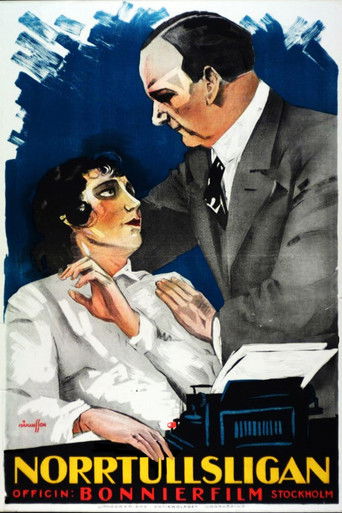
Per Lindberg was a Swedish film director, theater director, and writer associated with the early silent era of Scandinavian cinema. He is known in film history primarily for directing The Norrtull Gang (1923), an important early Swedish feature that adapts Elin Wägner's socially observant novel about working women in Stockholm. Lindberg worked during a period when Swedish cinema was developing a strong international reputation for literary adaptation, naturalistic acting, and location-based realism, and his film belongs to that broader cultural movement. Although his surviving screen credits are limited, his name appears in connection with the transition between stagecraft and cinema in Sweden, where many directors moved fluidly between theater and film. He is also remembered as a dramatist and cultural figure outside film, which gives his cinema work a place within a larger artistic career rather than as an isolated specialty. Because the available record on his filmography is sparse, he is best understood as a significant contributor to early Swedish screen culture rather than as a prolific studio-era filmmaker. His association with a recognized silent-era literary adaptation ensures that he remains part of discussions of Scandinavian silent cinema history.
More about Per Lindberg
Behind the camera
Lindberg's directing style is associated with early Swedish silent cinema and stage-influenced literary adaptation. The surviving evidence suggests a preference for realistic social material and an emphasis on character and situation rather than spectacle. His work on The Norrtull Gang fits the era's Scandinavian tendency toward naturalistic performance, moral seriousness, and attention to everyday urban life. As with many directors of the period, the visual style would have been shaped by the conventions of silent storytelling, but his artistic background suggests a strong dramaturgical approach. Because few detailed production records survive in readily accessible sources, his precise directorial manner cannot be reconstructed with certainty beyond these broader characteristics.
In film history
Per Lindberg's cultural impact lies primarily in his participation in the formative years of Swedish silent cinema, a period when the country's filmmakers were gaining attention for adapting respected literary works and portraying society with unusual seriousness. His direction of The Norrtull Gang connects him to a film tradition that foregrounded modern urban life, working women, and social observation rather than escapist entertainment alone. This kind of material helped expand the thematic range of Scandinavian cinema and reinforced the idea that film could be an instrument for literary and social commentary. Even though he is not among the internationally most famous names of Swedish silent film, his contribution is part of the larger cultural environment that made Sweden one of the key filmmaking nations of the 1910s and 1920s.
Later reputation
Lindberg's lasting legacy is as a historically important but under-documented figure in early Swedish film history. His name endures chiefly through The Norrtull Gang, which anchors him to the silent-era tradition of prestige literary adaptation. For film historians, he represents the many theater-trained European artists whose work helped shape the language and ambitions of early cinema, even when their surviving filmography is small. His legacy is therefore archival and historical as much as it is artistic: he is part of the foundation upon which later Swedish screen culture was built. In retrospective studies of Scandinavian silent film, his work helps illustrate how local literature, urban realism, and stage experience converged on the early screen.
Influence
Per Lindberg's influence is best understood indirectly, through his participation in a cinematic culture that influenced later generations of Swedish and Scandinavian filmmakers. By helping bring socially grounded literature to the screen, he contributed to a model of serious, character-based filmmaking that would remain important in Nordic cinema. His work aligns with tendencies that later directors could study and extend, especially the emphasis on realism, social observation, and adaptation of respected national literature. While no specific protégés or direct disciples are firmly documented in standard film histories, his place in the silent-era Swedish tradition makes him part of the artistic lineage that shaped later Scandinavian screen aesthetics.
Off screen
Publicly accessible biographical information on Per Lindberg is limited in common film-reference sources, and detailed personal records are not readily available in standard cinema databases. He is generally identified in relation to his professional work as a Swedish dramatist and director rather than through a widely documented private life. No reliable, consistently cited information about marriages, children, or family life is readily confirmed from the available classic-cinema record. As a result, his personal history remains less documented than that of the major internationally famous Scandinavian filmmakers of the silent era.
Credits
- Directed The Norrtull Gang (1923), a notable Swedish silent film adaptation of Elin Wägner's novel.
- Worked at the intersection of theater, literature, and early Swedish cinema.
- Participated in the culturally rich Scandinavian silent-film era, which emphasized realism and literary prestige.
- Established a screen credit that links him to socially conscious depictions of urban Swedish life.
- Contributed to the early development of Swedish film as a medium for adapted literature and character-driven drama.
Films
- The Norrtull Gang (1923)
Notes
- Per Lindberg is chiefly remembered in film history for a single known screen directing credit: The Norrtull Gang (1923).
- The Norrtull Gang adapts a novel by Elin Wägner, one of Sweden's important early feminist and social writers.
- Lindberg's name is more widely associated with Swedish theater and writing than with a large body of film work.
- His film career belongs to the silent era, when many directors came from stage backgrounds and moved between theater and cinema.
- He is an example of a historically significant film personality whose contribution survives more in specialized reference works than in popular memory.
- His work helps document the close relationship between Scandinavian literary culture and early film production.
- Because his on-screen career is so brief in surviving records, he is often studied through the historical context of the film rather than through an extensive directorial oeuvre.
Questions
Who was Per Lindberg?
Per Lindberg was a Swedish director, theater director, and writer associated with the silent-film era. In cinema history, he is chiefly known for directing The Norrtull Gang (1923), an early Swedish adaptation of a socially minded literary work. His broader reputation also includes his work in theater and letters.
What films is Per Lindberg best known for?
He is best known for The Norrtull Gang (1923). That film is the principal screen credit associated with him in classic-cinema references and is the key work through which his film career is remembered.
When was Per Lindberg born and when did he die?
Reliable birth and death details are not consistently available in standard film-reference sources for this specific Per Lindberg. Because of that, the exact dates and places are not confirmed here.
What awards did Per Lindberg win?
No major film awards or nominations are readily documented for him in the available classic-cinema record. This is not unusual for early silent-era directors, especially those whose surviving filmographies are brief or incomplete in modern databases.
What was Per Lindberg's directing style?
His directing is best understood as part of the Swedish silent-film tradition, which favored realism, literary adaptation, and strong attention to character and social setting. Based on The Norrtull Gang, his work appears to have engaged with everyday life and contemporary social themes rather than spectacle-driven storytelling.
What is Per Lindberg's legacy in film history?
His legacy lies in being part of the early Swedish cinema movement that helped establish Scandinavian film as artistically serious and literarily ambitious. Even with a small surviving filmography, he contributes to the historical record of how stage-trained artists shaped the silent screen in Sweden.