Elsa Ebbesen-Thornblad
Actor
- Active
- 1923-1923
Films 1
About Elsa Ebbesen-Thornblad
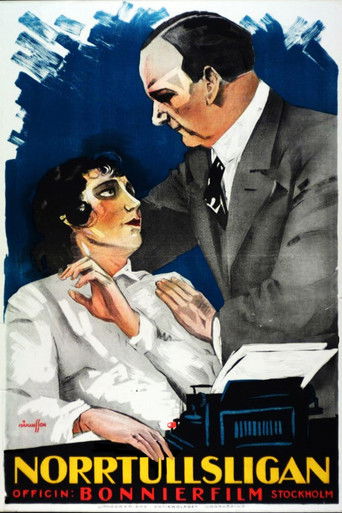
Elsa Ebbesen-Thornblad was a Swedish actress associated with the silent era of Scandinavian cinema, best remembered in surviving film history for her appearance in "The Norrtull Gang" (1923). Her screen work places her in the period when Swedish film was transitioning from its internationally admired silent-film artistry into the changing cinematic landscape of the 1920s. Because her filmography is very small in available records, she appears to have been a comparatively minor screen player rather than a major star, yet her credited participation in an important early Swedish production gives her a place in classic cinema history. The surname form "Thornblad" suggests a married name, and sources available in standard film references are limited enough that many personal details remain difficult to verify with certainty. Her life and career are therefore best understood through the surviving documentation of her single known screen credit rather than through a large body of preserved performances. Even with sparse archival evidence, she represents the many working actors whose contributions helped build the foundation of national cinema during the silent era. In historical terms, she belongs to the generation of performers whose work supported the artistic reputation of Swedish film in the 1920s, even when their own names were less frequently preserved than those of the leading stars and directors.
More about Elsa Ebbesen-Thornblad
On screen
No detailed contemporary critical description of her acting style is readily available in surviving standard references. Given her placement in a 1923 Swedish silent film, her performance would have relied on silent-era visual expression, controlled gesture, and expressive facial acting typical of Scandinavian screen drama. Because only limited filmography is documented, any stronger stylistic conclusions would be speculative.
In film history
Elsa Ebbesen-Thornblad’s cultural impact is best understood as part of the broader fabric of early Swedish cinema rather than as the legacy of a major star. Her presence in "The Norrtull Gang" places her within a nationally significant film culture that helped define Scandinavian screen realism and literary adaptation in the silent era. Even performers with very small surviving filmographies contributed to the credibility and texture of these productions, which relied on ensemble acting and carefully observed social worlds. In that sense, her work is a reminder that film history is not only shaped by celebrated directors and headline stars, but also by the many supporting players whose performances made the productions work.
Later reputation
Her legacy lies primarily in archival and historical significance. Because only limited information about her survives in accessible film references, she stands as one of many early cinematic figures whose memory is preserved through a film credit rather than through extensive publicity or preserved interviews. For researchers of Swedish silent cinema, her name is part of the documentation of the industry’s cast networks and production culture in the early 1920s. Her surviving credit in "The Norrtull Gang" ensures that she remains a traceable participant in one of the formative eras of Scandinavian film.
Influence
There is no verified evidence that she directly mentored other performers or became a public influence in the way major stars did. Her influence is therefore indirect, residing in the collective example of silent-era ensemble acting and in the preservation of Swedish film history. For historians and archivists, she contributes to the broader understanding of the many actors who appeared in early national cinema and helped establish its professional standards.
Off screen
Very little reliably documented information is readily available about her personal life in standard film reference sources. The hyphenated surname suggests she may have used a married name in professional records, but her birth name, marriage history, family background, and later life have not been clearly established in the sources available here. No confirmed biographical details regarding children, education, or private activities could be verified with confidence. As with many minor silent-era performers, archival records may exist in Swedish local or genealogical sources, but they are not consistently reflected in widely used cinema databases.
Credits
- Appeared in the Swedish silent film "The Norrtull Gang" (1923), the only widely documented screen credit associated with her name
- Participated in the era of internationally respected Swedish silent cinema, a period associated with strong literary adaptations and naturalistic performance styles
- Represents the large group of early film performers whose work is preserved in cast lists and archival records even when extensive biographical detail has not survived
Roles
- Unnamed role in "The Norrtull Gang" (1923)
Films
- "The Norrtull Gang" (1923)
Notes
- Her best-known surviving screen credit is from 1923, placing her squarely in the silent-film era.
- She is associated with Swedish cinema, a national tradition that was internationally influential in the 1910s and 1920s.
- The surname form "Ebbesen-Thornblad" suggests that the name under which she is known may combine family and married names.
- Her filmography appears to be extremely limited in widely accessible databases, which makes her a relatively obscure historical figure despite her real contribution to early film.
- "The Norrtull Gang" is her most important known screen appearance and the main reason her name remains in film records.
- Her career illustrates how many silent-era performers are documented primarily through cast lists rather than through surviving interviews or publicity material.
Questions
Who was Elsa Ebbesen-Thornblad?
Elsa Ebbesen-Thornblad was a Swedish actress from the silent-film era. She is best known today for her credited appearance in the 1923 film "The Norrtull Gang."
What films is Elsa Ebbesen-Thornblad best known for?
Her only widely documented screen credit is "The Norrtull Gang" (1923). Because her surviving filmography is so limited in accessible references, that film is the main source of her historical visibility.
When was Elsa Ebbesen-Thornblad born and when did she die?
Her birth and death dates are not readily confirmed in the standard sources available here. Likewise, her birth place and death place are not reliably established from the accessible film-reference record.
What awards did Elsa Ebbesen-Thornblad win?
No awards or major nominations are documented for her in the available standard references. This is common for many silent-era supporting performers whose careers were not widely chronicled in later award histories.
What was Elsa Ebbesen-Thornblad's acting style?
There is no surviving detailed critical description of her performance style in the accessible record. As a silent-era Swedish actress, her work would have depended on expressive facial acting, physical nuance, and restrained gesture suited to the period’s screen naturalism.
What is Elsa Ebbesen-Thornblad's legacy in film history?
Her legacy is primarily archival: she is part of the documented cast history of early Swedish cinema. Even with little biographical information surviving, her credited work in "The Norrtull Gang" places her within a significant period of Scandinavian film development.