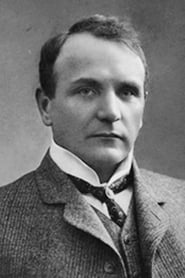
Egil Eide
Actor
Born: August 24, 1868 in Christiania (now Oslo), Norway Died: February 13, 1946 Active: 1915-1919
Films
4 films
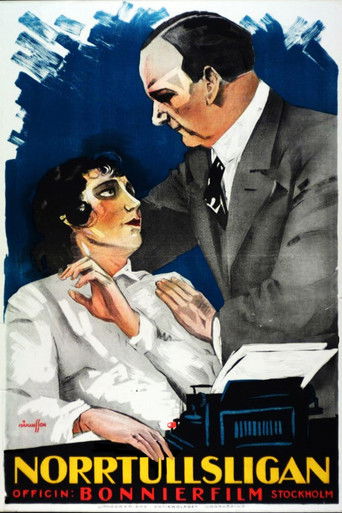
About Egil Eide
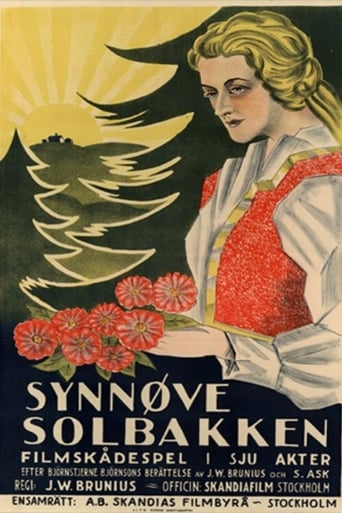
Prominent Norwegian silent film actor who rose to prominence during the formative years of Scandinavian cinema. Beginning his career in the early 1910s, Eide quickly established himself as one of Norway's most recognizable leading men, known for his commanding screen presence and dramatic intensity. His breakthrough role came in 1915 with 'The Price of Betrayal,' where his nuanced performance as a conflicted protagonist earned critical acclaim throughout Scandinavia. Eide reached the pinnacle of his career with the 1919 adaptation of Bjørnstjerne Bjørnson's beloved novel 'The Fairy of Solbakken' (original Norwegian title likely 'Synnøve Solbakken'), where his portrayal of the tormented farmer captured the essence of Norwegian rural life and romantic tradition. Despite his relatively brief film career spanning just four years, Eide's work helped establish the foundation for Norwegian cinema's artistic identity during the silent era. His performances were characterized by a naturalistic approach that stood in contrast to the more theatrical acting styles common in the period, influencing subsequent generations of Norwegian actors. After 1919, Eide gradually transitioned away from film, though his legacy continued to inspire Norwegian filmmakers well into the sound era.
The Craft
On Screen
Egil Eide was known for his naturalistic and understated acting style, which was revolutionary for the silent era. Unlike many of his contemporaries who relied on exaggerated gestures and melodramatic expressions, Eide favored subtle facial expressions and restrained body language to convey complex emotions. His approach drew from Norwegian theatrical traditions while embracing the unique demands of cinema, creating performances that felt authentic and grounded in reality. Critics praised his ability to convey deep emotional turmoil through minimal movement, particularly his penetrating gaze and the subtle tension in his posture during dramatic scenes.
Milestones
- Breakthrough role in 'The Price of Betrayal' (1915)
- Starring role in 'The Fairy of Solbakken' (1919)
- naturalistic acting style in Norwegian silent cinema
- Helped establish Norwegian cinema's artistic identity
Best Known For
Iconic Roles
Must-See Films
Accolades
Special Recognition
- Recognized as a pioneer of Norwegian cinema
- Honored in Norwegian film retrospectives for contributions to silent era cinema
Working Relationships
Worked Often With
Studios
Why They Matter
Impact on Culture
Egil Eide played a crucial role in establishing Norwegian cinema's artistic identity during its formative years. His naturalistic acting style helped distinguish Norwegian films from the more theatrical productions common in other European cinemas of the period. By bringing authentic Norwegian characters and stories to the screen, particularly in adaptations of national literature like 'The Fairy of Solbakken,' Eide contributed to the preservation and promotion of Norwegian cultural heritage through the medium of film. His work demonstrated that Norwegian cinema could compete artistically with productions from larger European film industries while maintaining its distinctive national character.
Lasting Legacy
Egil Eide's legacy endures through his contributions to Norwegian silent cinema and his influence on subsequent generations of Norwegian actors. Though his film career was brief, his performances in 'The Price of Betrayal' and 'The Fairy of Solbakken' continue to be studied as examples of early naturalistic acting in Scandinavian cinema. Film historians recognize Eide as an important figure who helped bridge Norwegian theatrical traditions with the emerging art of cinema. His approach to performance influenced the development of a distinctly Norwegian acting style that emphasized authenticity and emotional restraint, characteristics that would become hallmarks of Scandinavian cinema throughout the 20th century.
Who They Inspired
Egil Eide influenced Norwegian and Scandinavian cinema through his naturalistic acting style, which stood in contrast to the exaggerated performances common in early silent films. His approach demonstrated the power of subtlety and restraint in cinematic performance, inspiring subsequent generations of Scandinavian actors to embrace more realistic acting techniques. Directors working with Eide learned to trust the camera's ability to capture subtle emotional expressions, leading to more intimate and psychologically nuanced filmmaking in Norwegian cinema. His success in literary adaptations, particularly 'The Fairy of Solbakken,' established a template for bringing classic Scandinavian literature to the screen that filmmakers would follow for decades.
Off Screen
Egil Eide was born into a prominent Norwegian family during a period of significant cultural and political change in Norway. Before entering cinema, he had a successful career in theater, which provided him with the dramatic foundation that would later inform his film work. Eide was known as a private individual who maintained a low public profile despite his screen success. He was deeply connected to Norwegian cultural traditions and often spoke about the importance of preserving national identity through artistic expression. Later in life, he became involved in mentoring young actors and was respected for his dedication to developing Norwegian theatrical and cinematic talent.
Education
Educated in Christiania (Oslo), likely received theatrical training in Norway's emerging theater scene of the 1880s-1890s
Family
- Information not available
Did You Know?
- Egil Eide was already in his late 40s when he began his film career, making him a mature leading man by silent era standards
- His performance in 'The Fairy of Solbakken' was based on Bjørnstjerne Bjørnson's classic Norwegian novel 'Synnøve Solbakken'
- Eide's naturalistic acting style was considered revolutionary in Norwegian cinema of the 1910s
- Despite his success in film, he maintained stronger ties to traditional Norwegian theater throughout his career
- His film career coincided with Norway's period of independence and cultural renaissance following separation from Sweden in 1905
- Eide was part of a generation of Norwegian artists who helped establish national cinema as a serious art form
- His brief but impactful film active years covered exactly four years, from 1915 to 1919
- The preservation status of his films is uncertain, with many early Norwegian films having been lost over time
- Eide's work helped establish the tradition of literary adaptations in Norwegian cinema
- His approach to performance influenced the development of Scandinavian cinema's characteristic emotional restraint
In Their Own Words
Information on specific quotes from Egil Eide is not readily available from surviving records
Frequently Asked Questions
Who was Egil Eide?
Norwegian silent film with credits in this catalog.
What films is Egil Eide best known for?
Titles linked here include The Price of Betrayal (1915), The Fairy of Solbakken (1919).
When was Egil Eide born and when did he die?
Born August 24, 1868; died February 13, 1946.
What awards did Egil Eide win?
While Egil Eide did not receive formal awards during his lifetime, he is recognized posthumously as a pioneer of Norwegian cinema and is honored in Norwegian film retrospectives for his contributions to the silent era.
What was Egil Eide's acting style?
Egil Eide was known for his revolutionary naturalistic acting style that emphasized subtlety and restraint over the exaggerated performances common in silent era films, helping establish a distinctly Scandinavian approach to cinematic acting.
How did Egil Eide influence Norwegian cinema?
Egil Eide helped establish Norwegian cinema's artistic identity through his naturalistic performances in literary adaptations, demonstrating that Norwegian films could maintain cultural authenticity while competing artistically with larger European productions.
Why was Egil Eide's film career so brief?
Egil Eide's film active years covered only four years (1915-1919) as he was already in his late 40s when he began acting in films and maintained stronger connections to traditional Norwegian theater throughout his professional life.