
The Price of Betrayal
"Desperation to save a sick wife"
Keys: Space play/pause · ←/→ 10s · F fullscreen · M mute · </> speed
About this film
An unemployed man encounters trouble when he tries to find a way to help his sick wife.
Cast & crew
More films like this
More Drama films
View all →







More from Victor Sjöström
View all →


More about this film
About the production
Release date1915
ProductionSvenska Biografteatern
Filmed inStockholm, Sweden
This film was produced during the golden age of Swedish silent cinema, a period when Svenska Biografteatern was establishing itself as a major European film studio. The production likely utilized natural lighting techniques common in Swedish cinema of the era, emphasizing the interplay between light and shadow to enhance the dramatic narrative.
Themes
Poverty and economic hardshipMoral compromiseFamily loyaltySocial justiceDesperation and crime
Themes & topics
Historical background
Silent-era audiences encountered The Price of Betrayal around 1915, as studios refined cross-cutting and star-driven storytelling.
Why this film matters
The Price of Betrayal shows how silent filmmakers conveyed plot through gesture, title cards, and editing.
Making of
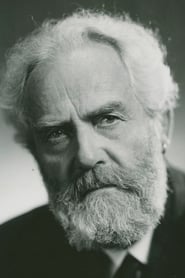
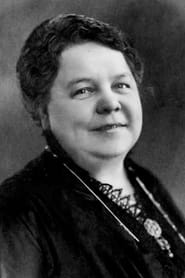
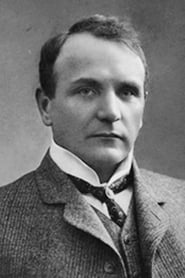
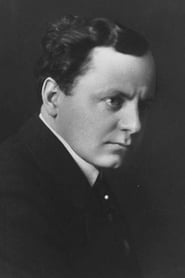
The production of took place during a transformative period in Swedish cinema history. Victor Sjöström was developing his distinctive directorial style that would later influence filmmakers worldwide. The cast, including Gabriel Alw, Stina Berg, and Egil Eide, were established actors in the burgeoning Swedish film industry. The filming likely took place at Svenska Biografteatern's studios in Stockholm, where the company was pioneering new techniques in cinematography and narrative storytelling. The production would have utilized the studio's growing expertise in creating emotionally resonant dramas that addressed social issues relevant to contemporary Swedish society.
What critics said
Press notices for The Price of Betrayal (1915) are sparse in digitized sources; interest today rests on preserved prints and comparison with related titles.
Did you know?
- was directed by Victor Sjöström during his early career phase, before he gained international recognition
- The film was produced by Svenska Biografteatern, which would later become AB Svensk Filmindustri
- 1915 was a prolific year for Sjöström, who directed multiple films during this period
- The film was released during World War I, when Swedish cinema was experiencing a cultural renaissance
- Many of Sjöström's films from this era explored themes of social justice and moral dilemmas
- Swedish silent films of this period were known for their technical innovation and artistic sophistication
- The film likely featured intertitles in Swedish, with potential for international distribution with translated titles
- This was during the period when Swedish cinema was gaining recognition for its naturalistic acting style
Visual style
The cinematography would have reflected the technical innovations being pioneered at Svenska Biografteatern during this period. Swedish cinematographers of this era were known for their sophisticated use of natural light, particularly in outdoor scenes. The visual style likely emphasized the contrast between light and shadow to enhance the emotional tone of the narrative. Location shooting was becoming more common in Swedish cinema of this period, adding visual authenticity to the storytelling.
Innovations
The film would have utilized the technical standards of 1915 Swedish cinema, which were among the most advanced in Europe at the time. Svenska Biografteatern was known for its high production values and technical innovation. The film likely featured sophisticated camera work for the period, including the use of different camera angles and movement to enhance the narrative. The editing would have employed techniques to build suspense and emotional impact, reflecting the growing sophistication of film language during this period.
Music
As a silent film, the original presentation would have featured live musical accompaniment, typically provided by a pianist or small orchestra in theaters. The score would have been compiled from existing classical pieces or popular music of the era, with selections made to match the emotional tone of different scenes. Larger theaters in Stockholm might have commissioned original compositions or arranged specific pieces to enhance the dramatic impact of key moments.
Famous quotes
No documented quotes are available from due to its silent nature and limited surviving records
Memorable scenes
- The protagonist's moment of decision to turn to crime to save his wife, likely filmed with dramatic lighting to emphasize the moral weight of his choice
What audiences thought
Audience reception data from 1915 is limited, but Swedish audiences of this period were increasingly sophisticated in their appreciation of cinema as an art form. The dramatic themes and social issues addressed in films like this one likely resonated with contemporary Swedish audiences who were experiencing rapid social and economic changes. The growing middle class in Sweden was becoming an important audience for cinema, and films dealing with moral and social dilemmas were particularly popular.
Film connections
Influenced by
- Literary realism
- Social problem literature
- Theatrical melodrama
- Danish cinema's psychological dramas
This film influenced
- Later Swedish social dramas
- American film noir themes of moral compromise
- Neorealist cinema's focus on poverty
Film restoration
The preservation status of is uncertain. Many Swedish films from this period have been lost due to the fragile nature of early film stock and lack of systematic preservation efforts. Some of Victor Sjöström's works from this era have survived in archives, while others exist only in fragmentary form or are completely lost. The Swedish Film Institute maintains archives of early Swedish cinema, but not all films from this period have been preserved.
Where to watch
- is likely not commercially available due to its age and potential lost status. Film archives such as the Swedish Film Institute may hold prints or fragments if they exist. Specialized silent film festivals or museum screenings occasionally feature rare or restored Swedish films from this period when available.