
Gabriel Alw
Actor
Born: December 25, 1889 in Stockholm, Sweden Died: January 26, 1946 Active: 1915-1916 (film career), extended theatrical career beyond these dates Birth Name: Gabriel Teodor Alw
Films
7 films
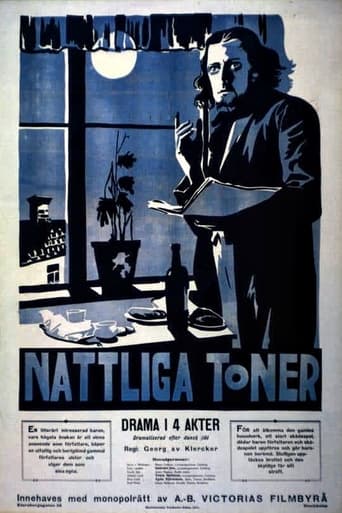
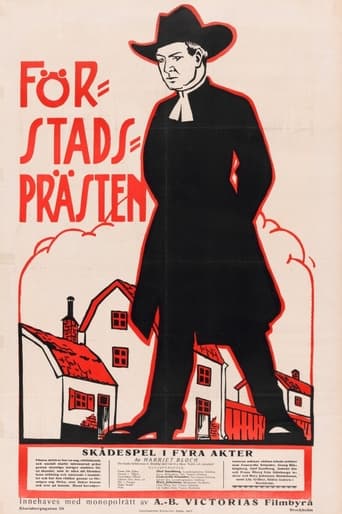
About Gabriel Alw
Gabriel Teodor Alw — Swedish actor who briefly appeared in the early Swedish silent film industry during the mid-1910s. Born in Stockholm in 1889, Alw was primarily known as a stage actor rather than a film star, which explains his extremely limited filmography consisting of only two known productions in 1915-1916. His brief foray into cinema occurred during the years of Swedish film, when the industry was still establishing itself and many theatrical actors made occasional appearances in motion pictures. After his short stint in films, Alw returned to his primary career in theater, where he continued to work for many years. His film appearances, though few, came during a significant period in Swedish cinema when directors like Victor Sjöström and Mauritz Stiller were establishing what would become known as the Golden Age of Swedish silent film. Alw died in his hometown of Stockholm in 1946, having lived through the transformation of both Swedish theater and cinema from their early 20th century beginnings to the modern era.
The Craft
On Screen
As a product of the theatrical tradition, Alw likely employed the dramatic, expressive style common in early silent films, where actors needed to convey emotion through exaggerated gestures and facial expressions to compensate for the lack of dialogue.
Milestones
- Appeared in early Swedish silent films during the era
- Transitioned from brief film career to successful stage acting
- Participated in the formative years of Swedish cinema
Best Known For
Iconic Roles
Must-See Films
Working Relationships
Studios
Why They Matter
Impact on Culture
Gabriel Alw represents the generation of Swedish actors who bridged the gap between traditional theater and the emerging medium of cinema. While his film career was brief, his participation in early Swedish silent films places him among the pioneers who helped establish the foundation for what would become the internationally acclaimed Swedish film industry. His work during 1915-1916 coincided with the beginning of Sweden's Golden Age of cinema, when Swedish films gained international recognition for their artistic quality and technical innovation.
Lasting Legacy
Though not widely remembered today, Gabriel Alw is part of the historical fabric of Swedish cinema's formative years. His two known film appearances serve as artifacts from the era of Swedish filmmaking, representing the transition from stage to screen that many actors of his generation experienced. His legacy is primarily that of a theatrical actor who briefly participated in the birth of Swedish cinema before returning to his stage career.
Who They Inspired
As an actor with such a limited filmography, Gabriel Alw's direct influence on subsequent generations of performers was likely minimal. However, his participation in early Swedish cinema contributes to the broader understanding of how theatrical traditions influenced early film acting styles in Sweden, particularly during the transitional period when cinema was establishing its own artistic language separate from the stage.
Off Screen
Gabriel Alw was born and raised in Stockholm, Sweden, where he spent his entire life. He came from a theatrical background and was part of the Swedish cultural scene during the early to mid-20th century. His active years covered a transformative period in Swedish entertainment, from the early days of silent film through the establishment of modern theater and cinema.
Education
Likely received theatrical training in Stockholm during the early 1900s, though specific educational details are not well documented
Did You Know?
- Born on Christmas Day in 1889
- Had an extremely brief film career spanning only two years
- Both of his known films were produced during World War I
- Swedish cinema was gaining international recognition during his active years
- His career coincided with the early work of famous Swedish directors Victor Sjöström and Mauritz Stiller
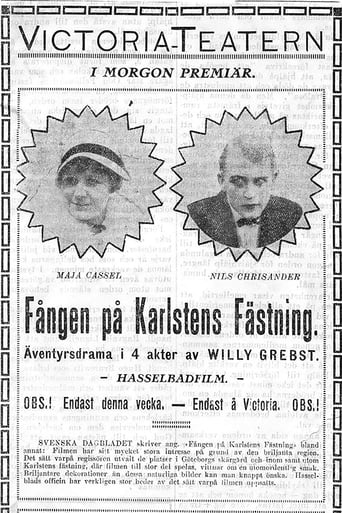
- The Prisoner of Karlsten's Fortress references the real Karlsten Fortress in Sweden
- Died at age 56 in his hometown of Stockholm
- Represented the typical transition from stage to screen for actors of his era
- His full name was Gabriel Teodor Alw
- His film work came during what would later be recognized as the beginning of Sweden's Golden Age of cinema
Frequently Asked Questions
Who was Gabriel Alw?
Swedish with credits in this catalog. He was primarily known as a stage actor rather than a film star, with only two known film appearances to his credit.
What films is Gabriel Alw best known for?
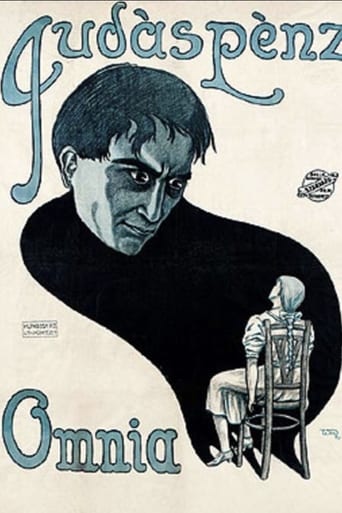
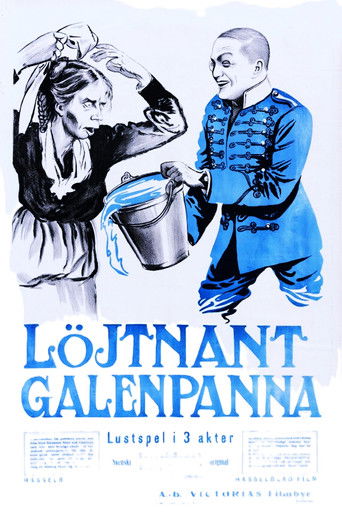
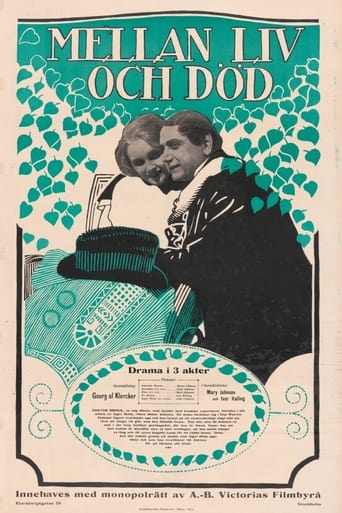
Titles linked here include The Price of Betrayal (1915), The Prisoner of Karlsten's Fortress (1916).
When was Gabriel Alw born and when did he die?
Born December 25, 1889; died January 26, 1946.
What awards did Gabriel Alw win?
There are no recorded awards or nominations for Gabriel Alw, which was common for actors of his era, particularly those with such brief film careers during the early days of cinema.
What was Gabriel Alw's acting style?
As a product of the theatrical tradition working in early silent films, Alw likely employed the dramatic, expressive style common in the era, using exaggerated gestures and facial expressions to convey emotion without dialogue.
Why did Gabriel Alw have such a short film career?
Gabriel Alw's brief film career from 1915-1916 was typical of many stage actors of his era who occasionally appeared in films but primarily focused on theater work. The film industry was still new, and many actors maintained their primary careers in live theater.
What was happening in Swedish cinema during Gabriel Alw's career?
During Alw's brief film career (1915-1916), Swedish cinema was entering its Golden Age, with directors like Victor Sjöström and Mauritz Stiller creating internationally acclaimed films that would establish Sweden as a major force in world cinema.