

The Prisoner of Karlsten's Fortress
"A stolen formula and a daughter held hostage."
Keys: Space play/pause · ←/→ 10s · F fullscreen · M mute · </> speed
About this film
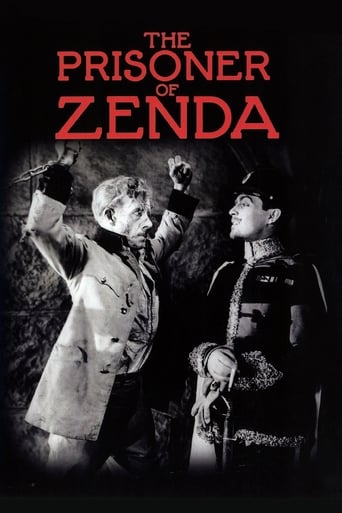
Count de Faber is working on a new type of explosive, but finds out that Professor Plussman has beat him to it. After an unsuccessful attempt to acquire the formula from Plussman, he breaks into the professor's house, steals the formula, and kidnaps his daughter, Mary. He takes her to Carlsten Fortress.
Cast & crew
More films like this
More Adventure films
View all →


More from Georg af Klercker
View all →
More about this film
About the production
Release date1916-09-25
ProductionSvenska Biografteatern
Filmed inCarlsten Fortress, Marstrand, Sweden, Stockholm, Sweden
This was especially ambitious Swedish productions of 1916, utilizing the actual Carlsten Fortress as a primary filming location. The fortress, a real 17th-century military installation, provided authentic atmosphere and dramatic architecture that enhanced the film's tension. Director Georg af Klercker, known for his technical innovations, employed complex tracking shots and location photography that was advanced for the period. The production faced significant challenges filming in the historic fortress, including limited access to electricity for lighting and the need to transport heavy equipment up the fortress's steep walls.
Themes
Scientific discovery and its dangersKidnapping and rescueGood versus evilTechnological advancementPatriotism and national defense
Themes & topics
explosivekidnappingfortressscientistformularescuecountprofessordaughtertheftadventuresuspensechaseimprisonment
Historical background
By 1916, The Prisoner of Karlsten's Fortress was shaped by the silent era technology, distribution, and audience expectations.
Why this film matters
The Prisoner of Karlsten's Fortress (1916) helps trace genre evolution, performer careers, and exhibition practices of its period.
Making of
The production of 'The Prisoner of Karlsten's Fortress' was a significant undertaking for the Swedish film industry in 1916. Director Georg af Klercker, known for his meticulous attention to detail, insisted on filming at the actual Carlsten Fortress rather than using studio sets. This required extensive negotiations with Swedish military authorities, as the fortress was still an active military installation. The cast and crew had to endure challenging conditions, filming on the fortress's windswept cliffs and within its stone chambers. The production employed innovative camera techniques for the time, including dramatic crane shots over the fortress walls and complex chase sequences through the narrow corridors. The film's special effects, particularly those involving the explosive formula, were created using practical effects that were considered highly sophisticated for the era. The kidnapping scenes were particularly challenging to film, requiring careful choreography on the fortress's steep staircases and battlements.
What critics said
Modern notes on The Prisoner of Karlsten's Fortress emphasize preservation, stylistic choices, and its place within director or studio filmographies.
Did you know?
- This was one of the earliest Swedish adventure films and helped establish the country's reputation for sophisticated cinema in the silent era
- The actual Carlsten Fortress had rarely been used for filmmaking before this production, making it a groundbreaking location shoot
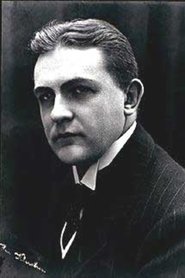
- Nils Olaf Chrisander, who played Count de Faber, later moved to Hollywood and appeared in several American films
- The film's explosive plot device reflected contemporary anxieties about scientific warfare during World War I
- Director Georg af Klercker was a pioneer of Swedish cinema who directed over 40 films before his early death at age 41
- The film's original Swedish title 'Karlstens fången' translates literally to 'The Prisoner of Carlsten'
- Only partial elements of this film survive today, with some reels considered lost
- The fortress scenes were filmed during actual military exercises, requiring coordination with Swedish authorities
- Maja Cassel, who played Mary, was one of Sweden's most popular actresses of the 1910s
- The film was among the costliest Swedish productions of 1916 due to its ambitious location filming
Visual style
The cinematography of 'The Prisoner of Karlsten's Fortress' was particularly notable for its time, featuring extensive location photography at Carlsten Fortress. The film's cinematographer employed innovative techniques to capture the dramatic architecture of the fortress, including high-angle shots from the fortress walls and sweeping views of the surrounding sea. The use of natural light, especially in outdoor sequences, created a realistic atmosphere that contrasted with the more artificial lighting common in studio productions of the era. The film also featured complex tracking shots following characters through the fortress's narrow corridors and staircases, demonstrating technical sophistication. The cinematography effectively utilized the fortress's Gothic architecture to enhance the film's tension and dramatic impact.
Innovations
The film was technically ambitious for its time, featuring several innovations in Swedish cinema. The extensive location filming at Carlsten Fortress required portable lighting equipment and cameras that could be transported to difficult locations. The production employed complex camera movements, including tracking shots that followed characters through the fortress's challenging terrain. The film's special effects, particularly those depicting the explosive formula, used practical effects that were sophisticated for 1916. The production team developed new techniques for filming in confined spaces within the fortress walls, requiring innovative lighting solutions. The film also featured some of the earliest examples of location-based action sequences in Swedish cinema, setting new standards for the country's film industry.
Music
As a silent film, 'The Prisoner of Karlsten's Fortress' would have been accompanied by live musical performances during its original theatrical run. The typical presentation would have featured a pianist or small orchestra providing musical accompaniment that followed the action on screen. The score likely included popular classical pieces adapted to fit the film's dramatic moments, with original compositions for key scenes. Music would have been particularly important during the suspense sequences in the fortress and the climactic rescue scenes. Unfortunately, no specific information about the original musical arrangements or scores used for this film survives, as was common with silent era productions.
Famous quotes
The formula for destruction must never fall into evil hands!
Carlsten Fortress has never held a prisoner it could not keep... until today.
Science without conscience is the soul's perdition.
Memorable scenes
- The dramatic sequence where Count de Faber breaks into Professor Plussman's laboratory under cover of darkness, the tense kidnapping of Mary as she walks through the gardens, the climactic rescue attempt on the fortress walls as storm clouds gather, the final confrontation in the fortress's highest tower with the explosive formula threatening to destroy everything
What audiences thought
The film was a commercial success upon its release in Sweden, drawing audiences eager to see a production filmed in the dramatic setting of Carlsten Fortress. Contemporary audience reports indicate that viewers were particularly impressed by the authentic location filming and the film's suspenseful plot. The adventure elements and scientific themes resonated with audiences of the time, reflecting growing public interest in technological advancement and its implications. The film's success helped establish the adventure genre as a viable commercial proposition for Swedish film producers. Audience reactions were generally positive, with many praising the film's entertainment value and the dramatic use of the fortress setting.
Film connections
Influenced by
- German adventure serials
- Danish melodramas
- American action films
- Contemporary scientific thrillers
This film influenced
- Later Swedish adventure films
- Fortress-based action movies
- Scientific thriller genre films
Film restoration
The film is partially preserved with some reels considered lost. The Swedish Film Institute holds fragments of the film, but it is not available in its complete form. Some key sequences, particularly those filmed at Carlsten Fortress, survive and have been restored. The film represents one of the many casualties of silent era film preservation, where a significant percentage of films from this period have been lost completely.
Where to watch
- Swedish Film Institute archives (research purposes)
- Film museums with silent film collections
- Occasional screenings at classic film festivals
- Not commercially available on streaming platforms or home video