Films
3 films
About Arvid Hammarlund
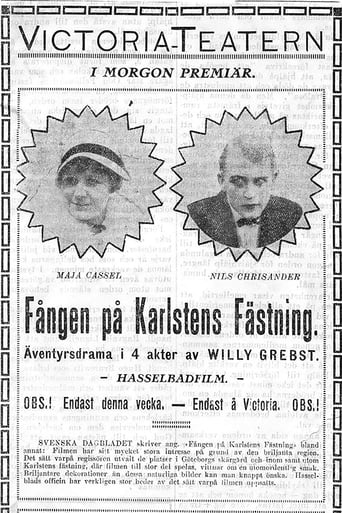
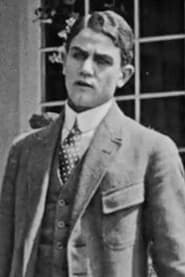
Arvid Hammarlund is credited on a single production — The Prisoner of Karlsten's Fortress (1916). His career was notably brief, with his only known film credit being 'The Prisoner of Karlsten's Fortress' in 1916. This historical drama was set during the Swedish empire period and was one of many nationalistic films produced during World War I-era Sweden. Hammarlund's role in the film, while not extensively documented, placed him among the early generation of Swedish film actors working before the international breakthrough of Swedish cinema in the late 1910s. Like many actors of this period, his career appears to have been limited to a single appearance, which was not uncommon for early film performers who may have been stage actors or amateurs recruited for specific productions. His brief film career coincided with a transitional period when Swedish cinema was developing its artistic identity before achieving international recognition through directors like Victor Sjöström and Mauritz Stiller.
The Craft
On Screen
Likely employed the dramatic, theatrical style common in silent era Swedish cinema, characterized by exaggerated gestures and facial expressions to convey emotion without dialogue
Milestones
- Appeared in 'The Prisoner of Karlsten's Fortress' (1916)
Best Known For
Iconic Roles
Must-See Films
Working Relationships
Studios
Why They Matter
Impact on Culture
Arvid Hammarlund's contribution to cinema, while minimal in scope, represents the broader landscape of early Swedish film production during the silent era. His appearance in a historical drama reflects the nationalistic themes prevalent in Swedish cinema during World War I, when the country maintained neutrality but produced films emphasizing Swedish history and identity. Though his individual impact was limited, he was part of the foundational generation of Swedish actors who helped establish the country's film industry before its international golden age in the late 1910s and early 1920s.
Lasting Legacy
Arvid Hammarlund's legacy is primarily as a representative figure of the countless minor actors who populated early silent films but whose names have largely been lost to film history. His single known film appearance serves as a reminder of the vast number of performers who contributed to cinema's development during its formative years. While not remembered as an influential figure, his existence in the historical record helps document the breadth of talent involved in early 20th century film production.
Who They Inspired
Given his extremely brief filmography and minor status, Arvid Hammarlund's influence on subsequent actors or filmmakers appears to be negligible. However, like all early film performers, he contributed to the development of acting techniques for the silent medium that would later influence generations of performers.
Off Screen
Very little is documented about Arvid Hammarlund's personal life, which is typical for minor actors from the early silent era who appeared in only one or few productions.
Did You Know?
- Arvid Hammarlund's entire known film active years covered only one year - 1916
- His only known film 'The Prisoner of Karlsten's Fortress' was a historical drama set during the Swedish empire period
- The film's title refers to Karlsten Fortress, a real historic fortification in Marstrand, Sweden
- His career coincided with the early development of Swedish cinema before its international breakthrough
- Like many early silent film actors, detailed biographical information about him has been lost to time
- His single film appearance places him among the first generation of Swedish film actors
- The film was produced during World War I, when Sweden was neutral but experiencing a cultural renaissance
Frequently Asked Questions
Who was Arvid Hammarlund?
Screen credits include only one known film, 'The Prisoner of Karlsten's Fortress' in 1916. His career was extremely brief, spanning just that single year, and he represents the many minor actors of early cinema whose contributions have been largely forgotten by film history.
What films is Arvid Hammarlund best known for?
Titles linked here include The Prisoner of Karlsten's Fortress (1916).
When was Arvid Hammarlund born and when did he die?
Specific birth and death dates for Arvid Hammarlund are not documented in available historical records, which is common for minor actors from the early silent era. We know he was active as an actor in 1916 and was Swedish by nationality, but further biographical details have been lost to time.
What awards did Arvid Hammarlund win?
Arvid Hammarlund did not receive any known awards or nominations for his work in film. Given his extremely brief career consisting of only one film appearance in 1916, and the limited award infrastructure for cinema during that early period, formal recognition would have been unlikely.
What was Arvid Hammarlund's acting style?
While specific details about his acting technique are not documented, Arvid Hammarlund likely employed the dramatic, theatrical style common in silent era Swedish cinema. This style typically featured exaggerated gestures and facial expressions to convey emotion effectively without the benefit of spoken dialogue, which was standard practice for actors working in early 20th century film productions.