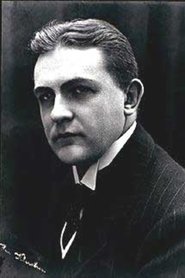
Georg af Klercker
Actor & Director
Born: December 15, 1877 in Gothenburg, Sweden Died: November 13, 1951 Active: 1912-1917 (film), 1900s-1940s (theatre)
Films
12 films
Calle as a Millionaire
1916
The Last Performance
1912
For the Fatherland
1914No Poster
In the Fetters of Darkness
1917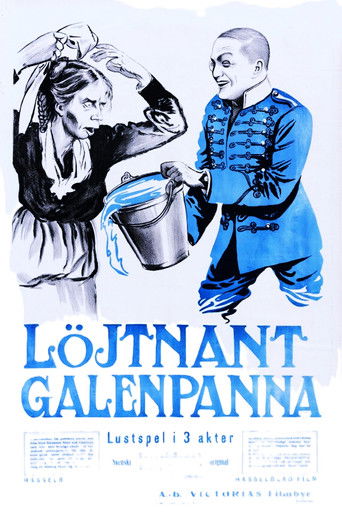
Lieutenant Galenpanna
1917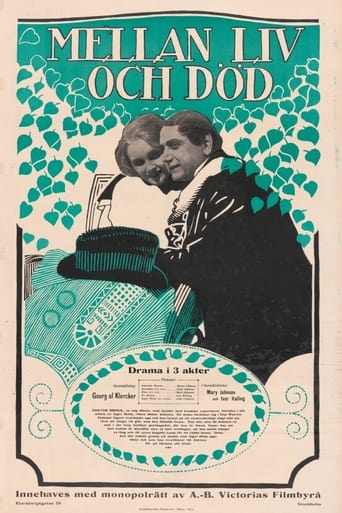
Between Life and Death
1917
The Minister President
1916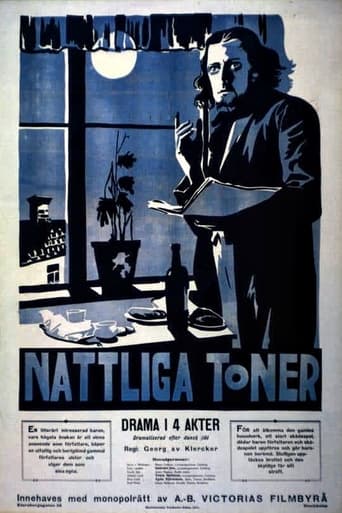
Night Music
1918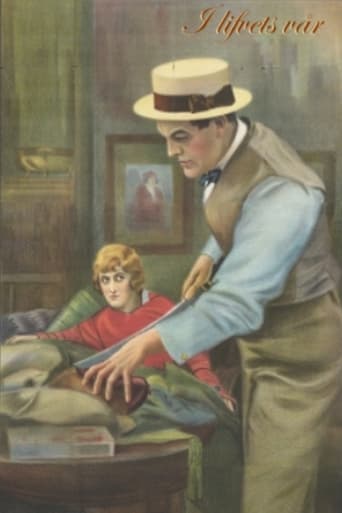
The Springtime of Life
1912No Poster
Calle's New Clothes
1916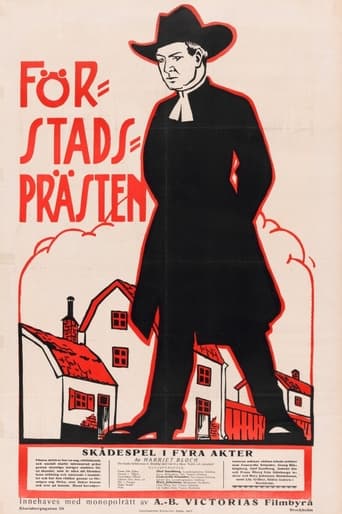
The Suburban Vicar
1917About Georg af Klercker
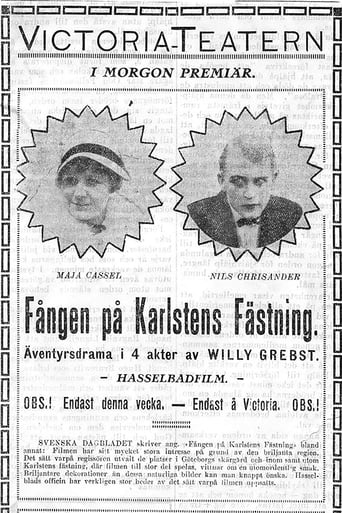
Swedish film director, actor, and screenwriter who in the development of Swedish cinema during the silent era. Born into Swedish nobility, he began his career as a stage actor at the Royal Dramatic Theatre in Stockholm before transitioning to the burgeoning film industry in the early 1910s. He joined Svenska Biografteatern, one of Sweden's most important early film studios, where he quickly established himself as a talented director capable of handling both dramatic narratives and literary adaptations. His directing career, though relatively brief spanning roughly from 1912 to 1917, coincided with what many consider the golden age of Swedish silent cinema. Klercker was known for his sophisticated visual storytelling and his ability to bring theatrical gravitas to the new medium of film. His most famous work, 'The Prisoner of Karlsten's Fortress' (1916), exemplifies his directorial prowess and artistic ambitions. After his film career ended, he returned to the theatre, continuing to work as an actor and director until his retirement. His contributions to early Swedish cinema helped establish the country's reputation for artistic filmmaking that would later be carried forward by directors like Victor Sjöström and Mauritz Stiller.
The Craft
Behind the Camera
Georg af Klercker's directing style was characterized by theatrical gravitas combined with emerging cinematic techniques. He brought a dramatic intensity to his films, often focusing on psychological depth and moral complexity. His visual composition showed careful attention to detail, using lighting and framing to enhance emotional impact. Klercker was particularly adept at adapting literary works, maintaining the narrative sophistication of the source material while exploiting the visual possibilities of cinema. His films often featured strong character studies and explored themes of guilt, redemption, and social justice, reflecting the serious artistic ambitions of early Swedish cinema.
Milestones
- Transition from Royal Dramatic Theatre to film direction
- Directed 'The Prisoner of Karlsten's Fortress' (1916)
- Key director at Svenska Biografteatern during Swedish cinema's golden age
- Pioneered sophisticated visual storytelling in Swedish silent films
- Adapted numerous literary works for the screen
Best Known For
Iconic Roles
Must-See Films
Accolades
Special Recognition
- Recognized as pioneer of Swedish silent cinema
- Member of Swedish nobility (af Klercker family)
Working Relationships
Worked Often With
Studios
Why They Matter
Impact on Culture
Georg af Klercker's work during the golden age of Swedish silent cinema contributed significantly to establishing Sweden's international reputation for artistic filmmaking. His sophisticated approach to visual storytelling and literary adaptations helped elevate Swedish cinema beyond simple entertainment to artistic expression. His films, particularly 'The Prisoner of Karlsten's Fortress,' demonstrated that cinema could handle complex psychological themes and moral questions with the same depth as literature or theatre. Klercker was part of a generation of Swedish directors who proved that small national cinemas could produce works of international artistic significance, paving the way for later Swedish auteurs like Ingmar Bergman.
Lasting Legacy
Georg af Klercker's legacy lies in his role as a bridge between Swedish theatrical traditions and the emerging art of cinema. Though his film career was brief, it coincided with a crucial period when Swedish cinema was establishing its artistic identity. His work represents the sophisticated literary and dramatic approach that characterized early Swedish filmmaking. While less internationally famous than contemporaries like Victor Sjöström or Mauritz Stiller, Klercker's contributions to Swedish cinema's golden age are increasingly recognized by film historians studying the development of European silent film. His noble background and artistic sensibility exemplify the cultural ambitions that drove early Swedish cinema to artistic heights.
Who They Inspired
Klercker influenced subsequent Swedish filmmakers through his demonstrated ability to adapt literary works to cinema while maintaining artistic integrity. His visual storytelling techniques and psychological approach to character development influenced the next generation of Swedish directors. His work at Svenska Biografteatern helped establish the studio's reputation for quality artistic productions, which continued long after his departure from film. The theatrical gravitas he brought to cinema influenced how Swedish directors approached the relationship between performance and visual storytelling, a characteristic that would remain evident in Swedish cinema throughout its history.
Off Screen
Georg af Klercker came from the Swedish noble af Klercker family, which influenced his cultured approach to the arts. He married actress Mary Johnson in 1916, during the height of his film career, and they had one son together. The marriage eventually ended in divorce. After his film career concluded in the late 1910s, Klercker returned to his theatrical roots, continuing to work as an actor and director in Swedish theatre for several more decades. His noble background and artistic temperament made him a distinctive figure in both Swedish cultural circles and the emerging film industry.
Education
Educated in Swedish theatre traditions, likely trained at Royal Dramatic Theatre
Family
- Mary Johnson (1916-1920s, divorced)
Did You Know?
- Member of Swedish nobility with the 'af' particle indicating noble status
- Began as a stage actor at Sweden's most prestigious theatre
- His film active years covered only about 5 years but was highly productive
- Worked during what many consider the golden age of Swedish silent cinema
- Married actress Mary Johnson during his most active film period
- His film "Vingarne" (1916) is considered one of the earliest films with homosexual themes
- Returned to theatre after his film career ended
- Many of his films are now lost, a common fate for silent era productions
- His directing style combined theatrical techniques with emerging cinematic language
- Worked alongside other Swedish cinema pioneers like Victor Sjöström
In Their Own Words
Cinema must elevate the soul as theatre does, but through its own unique visual language
The camera captures not just images, but the very essence of human emotion
In adapting literature to film, we must be faithful not to the words, but to the spirit
Frequently Asked Questions
Who was Georg af Klercker?
Swedish on YTB.my.
What films is Georg af Klercker best known for?
Titles linked here include The Prisoner of Karlsten's Fortress (1916), Therèse (1916).
When was Georg af Klercker born and when did he die?
Born December 15, 1877; died November 13, 1951.
What awards did Georg af Klercker win?
During his lifetime in the silent era, formal film awards were not yet established. He is now recognized posthumously as a pioneer of Swedish cinema and as an important figure in the development of early European film.
What was Georg af Klercker's directing style?
Klercker's directing style combined theatrical gravitas with emerging cinematic techniques, featuring sophisticated visual storytelling, psychological depth, and careful attention to literary adaptations while exploiting cinema's visual possibilities.