
Sture Baude
Actor
Born: December 25, 1887 in Stockholm, Sweden Died: December 13, 1946 Active: 1916-1928 Birth Name: Sture Johan Baude
Films
5 films

About Sture Baude
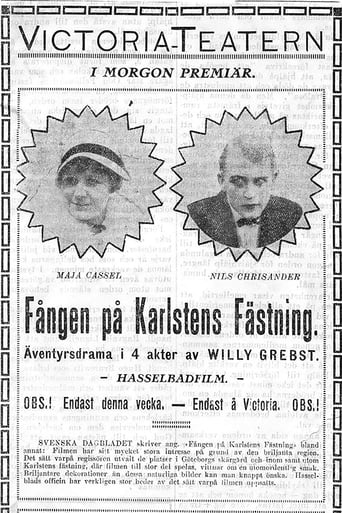
Swedish actor who emerged during the golden age of Swedish silent cinema in the 1910s. He began his film career in 1916 with a role in 'The Prisoner of Karlsten's Fortress,' quickly establishing himself as a reliable character actor in the burgeoning Swedish film industry. Throughout the 1910s and 1920s, Baude appeared in numerous productions, often portraying authority figures, noblemen, or historical characters in period pieces. His most notable work came in 1928 when he appeared in 'Gustaf Wasa, Part One,' a major historical epic that was Swedish film productions of the silent era. Baude's the entire silent period in Sweden, but like many actors of his generation, his opportunities diminished with the advent of sound films in the late 1920s. His filmography, while not extensive, represents important contributions to early Swedish cinema during its most creative period.
The Craft
On Screen
Baude was known for his dignified and authoritative screen presence, often portraying characters of nobility or historical significance. His acting style was typical of the silent era, emphasizing exaggerated gestures and facial expressions to convey emotion and character depth. He had a commanding physical presence that made him well-suited for period pieces and historical dramas.
Milestones
- Film debut in 'The Prisoner of Karlsten's Fortress' (1916)
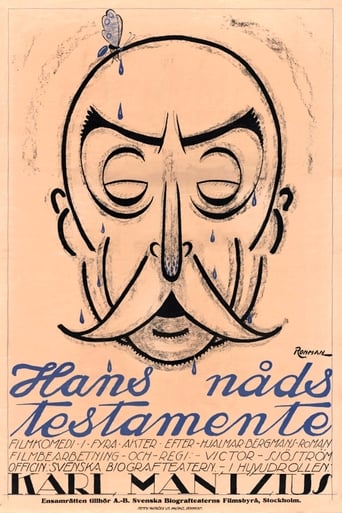
- Notable role in 'His Lord's Will' (1919)
- Appearance in major historical epic 'Gustaf Wasa, Part One' (1928)
Best Known For
Iconic Roles
Must-See Films
Working Relationships
Studios
Why They Matter
Impact on Culture
Sture Baude contributed to the development of Swedish cinema during its silent era golden age, a period when Swedish films gained international recognition for their artistic quality and technical innovation. His work in historical films helped establish Sweden's reputation for producing sophisticated period pieces that would influence cinema worldwide. Though not a major star, Baude's consistent performances in supporting roles provided essential foundation for the dramatic narratives of early Swedish cinema.
Lasting Legacy
While not as widely remembered as some of his contemporaries like Victor Sjöström or Mauritz Stiller, Sture Baude represents the working actors who formed the backbone of early Swedish cinema. His filmography, though brief, spans the most creative period of Swedish silent film and shows the collaborative nature of film production during cinema's formative years.
Who They Inspired
As a character actor during the silent era, Baude's influence was primarily through his contributions to the ensemble casts that defined Swedish cinema of the 1910s and 1920s. His work in historical dramas helped establish conventions for period acting in Swedish film that would influence subsequent generations of performers.
Off Screen
Sture Baude lived during a transformative period in Swedish cinema and society. He was part of the first generation of Swedish film actors who helped establish the country's film industry. Details about his personal life remain relatively scarce, as was common for character actors of his era who often worked outside the spotlight of major stardom.
Did You Know?
- Born on Christmas Day in 1887
- His active years covered exactly 12 years from 1916 to 1928
- Appeared in films during what many consider the golden age of Swedish silent cinema
- His final film appearance was in the major historical epic 'Gustaf Wasa, Part One'
- Like many silent era actors, his career ended with the transition to sound films
- Worked during the same period as legendary Swedish directors Victor Sjöström and Mauritz Stiller
- Died just 12 days before his 59th birthday in 1946
Frequently Asked Questions
Who was Sture Baude?
Swedish with credits in this catalog.
What films is Sture Baude best known for?
Titles linked here include Gustaf Wasa, Part One (1928), His Lord's Will (1919).
When was Sture Baude born and when did he die?
Born December 25, 1887; died December 13, 1946.
What awards did Sture Baude win?
There are no recorded major awards or nominations for Sture Baude, which was common for character actors of the silent era who often worked outside the recognition given to leading performers.
What was Sture Baude's acting style?
Baude employed the typical silent era acting style with emphasized gestures and expressions, specializing in dignified, authoritative roles as noblemen and historical figures in period dramas.
Why did Sture Baude's career end in 1928?
His career concluded in 1928, likely due to the transition from silent films to sound films in the late 1920s, a period when many silent era actors found fewer opportunities as the industry adapted to new technology.